CANVAS Weekly Update – January 27th, 2023

Dear Friends,

CANVAS is delighted to bring you another issue of our weekly report!

Conflict Update:

On Wednesday, President Joe Biden announced that he was sending 31 M1 Abrams tanks to aid Ukrainian forces. The announcement came just hours after Germany’s leader, Olaf Scholz, said it would send 14 of its Leopard 2 tanks. The announcement is a reversal of the US’s past position and signals a significant escalation in the effort to counter Russian aggression.

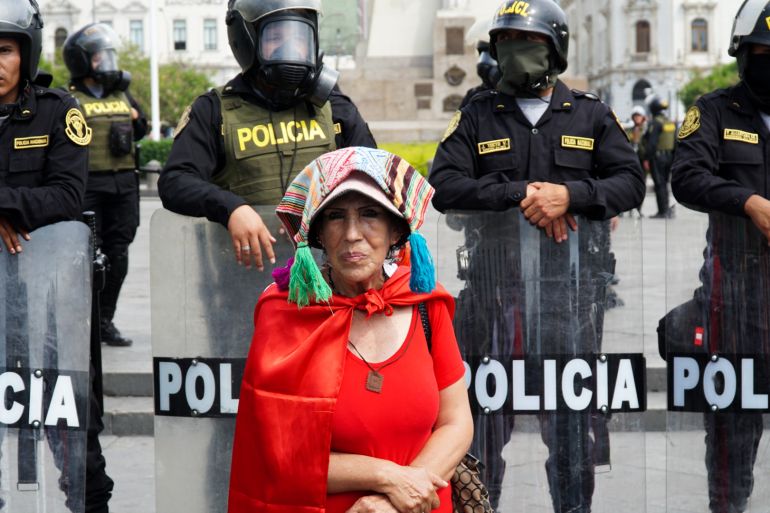
Dina Boluarte, Peru’s President, called for a “national truce” following civil unrest since her predecessor, Pedro Castillo, was impeached in December. Hours after the President’s announcement, thousands of demonstrators clashed with authorities using tear gas and pellets in the country’s capital. The protests have resulted in the death of nearly 50 Peruvians over the past two months. Protestors have called for Boluarte’s resignation, new elections, and a revised constitution.

On Saturday, 100,000 people protested in Tel Aviv against significant changes in Israel’s judiciary being proposed by the new far-right government. The new coalition under Benjamin Netanyahu, Israel’s recently reelected Prime Minister, has accused Israel’s Supreme Court of overstepping its authority. The new parliament is looking to limit the power of the courts and give the Knesset more control over judicial appointments.


Afghanistan:

The UN deputy chief and head of UN Women have sent a direct message to Afghanistan’s Taliban leadership, urging them to prioritize the good of the country and halt recent measures that have restricted women and girls to their own homes and violated their fundamental human rights. Top UN officials spent four days on a fact-finding mission in Afghanistan to engage with Taliban leaders and “underscore UN solidarity with the Afghan people.” These official visits come after recent measures by the Taliban to prevent women from working with humanitarian aid groups and banning women from secondary school. There have been some exemptions to the ban, but the UN is making efforts to expand on these exemptions to allow for more access to women working in the aid sector.


Iran:

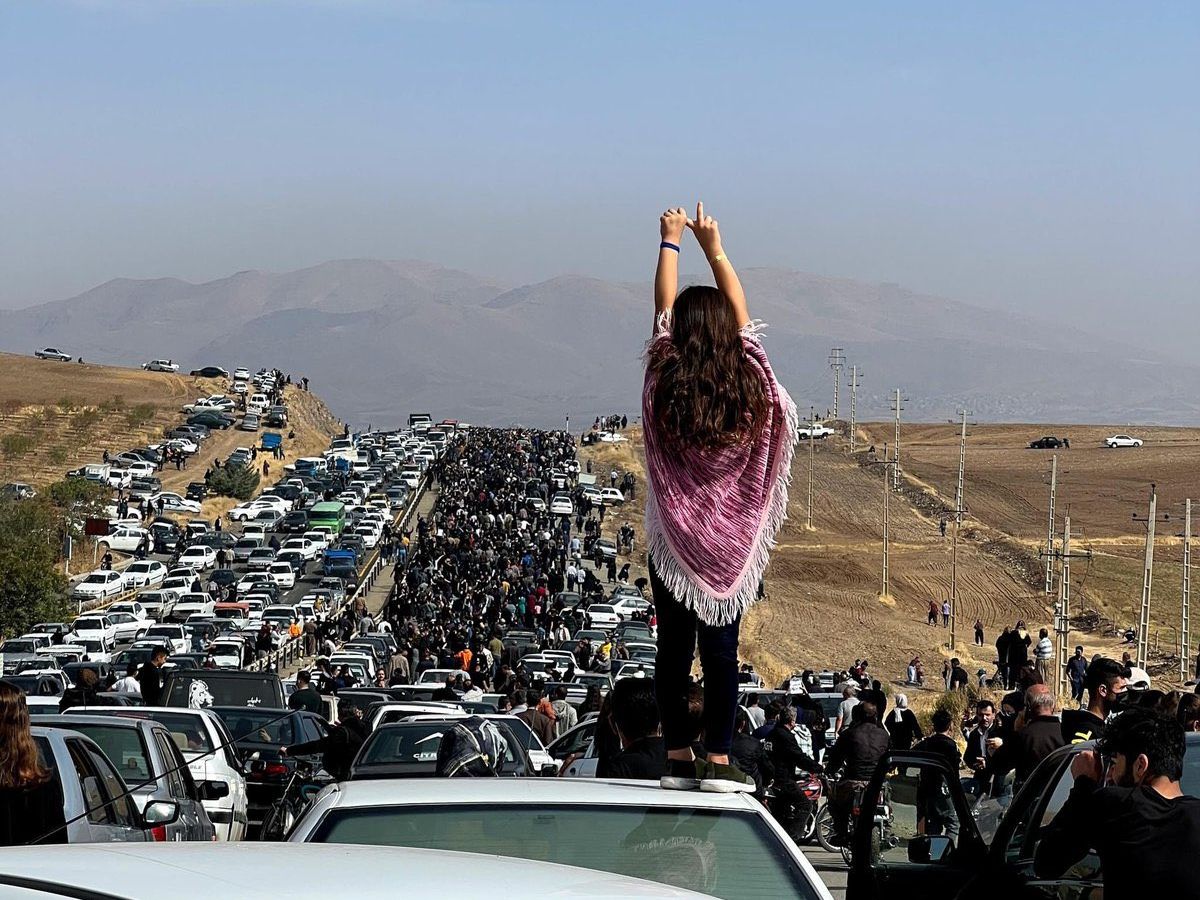
The Iranian protests triggered by Masha Amini’s death in September 2022, found the most extreme response by the Iranian government, executing four protesters in the past two months. According to Deepa Parent, an Iranian journalist, such repression by the Iranian authorities signals that the regime is weak and scared, creating a ‘fire under the ashes’ by fueling protesters’ anger who are now even more motivated and determined to achieve their goals. The culmination of brutal and disproportionate use of force by the Iranian government against the peaceful protesters was responded to by the EU which launched a new package of sanctions on Iran, targeting the most responsible people for such repression. This could also affect the Iranian Revolutionary Guard Corps (IRGC) if labeled as a terrorist group by the EU. The reason for such a decision can also be found in an explanation that the Foreign Minister of Iran Hossein Amir-Abdollahian provided. Namely, he claims that designating IRGC as a terrorist group would, in turn, harm the EU’s security, as this way IRGC would lose its vital role in securing the safety of the region, and the Iranian regime would become angered.


Iraq:

The governor of Iraq’s central bank, Mustafa Ghaleb Mukheef, was replaced on Monday in the midst of a multi-week plunge in the value of the Iraqi Dinar. While the official rate stands at 1,470 to the dollar, the true rate as of January stood at 1,670, which marks a 7 percent drop since mid-November.

The drop in the Dinar’s value led to protests on Wednesday, with hundreds of Iraqis marching near the country’s central bank in Baghdad. The protestors, angry about the subsequent rise in the price of foreign imported goods, demanded monetary intervention. The decline in the Dinar can largely be traced back to November when the US New York Federal Reserve imposed stricter controls over international dollar transactions to Iraqi commercial banks to curb their siphoning of dollars to Iran.


Lebanon:

On Monday, the lead judge of the 2020 Beirut explosion investigation resumed the inquiry into Lebanon’s top politician’s involvement in the incident. Judge Tarek Bitar charged former Prime Minister Hassan Diab and two other former ministers with homicide with probable intent. Other officials, including the country’s public prosecutor and the head of the domestic intelligence agency, were also charged for their connection with the blast. On Wednesday, Lebanon’s top prosecutor, Ghassan Oweidat, charged Judge Tarek Bitar and ordered the release of detained suspects accused of the explosion. These recent events are part of a growing tension between the judiciary and Lebanon’s top politicians during the lengthy investigation into the blast. On Thursday, over 200 people protested in front of Lebanon’s justice palace in response to the judicial scandal. Families of the blast victims demanded that politicians allow the judge to continue the investigation.


Sudan:

Following the killing of four people by unidentified gunmen, a state of emergency was declared in South Kordofan province by acting Provincial Governor Mousa Gaber Mahmoud. The victims were traveling to areas controlled by Sudan People’s Liberation Movement-North, a political party and militant organization which signed a peace agreement with the Transitional Government of Sudan in 2020.

Ethiopian Prime Minister Abiy Ahmed traveled to Sudan for his first visit since the 2021 coup. Talks between Ahmed and Sudan’s de facto head of state Abdel Fattah al-Burhan included an alignment on the construction of the controversial Grand Ethiopian Renaissance Dam, which the Egyptian government is actively hostile to. Sudan’s Sovereign Council stated that the two leaders held talks in Khartoum to broadly find “ways to strengthen and enhance bilateral relations.”


Bolivia:

A Bolivian judge has determined that Luis Fernando Camacho, a famous politician and governor to the Bolivian department of Santa Cruz, shall be detained while awaiting trial on “terrorist” accusations. Judge Rosmery Lourdes Pabon’s decision upholds a previous ruling by a different judge in late December. It requested for Camacho to be held in pre-trial detention for four months after prosecutors feared he could flee or obstruct the ongoing inquiry. The arrest of Camacho in December 2022 sparked protests amongst his supporters, who constructed road blockades in Santa Cruz to isolate the city and disrupt food supply distributions. Camacho is accused of instigating the 2019 political protests that led to the resignation of Evo Morales, the country’s first Indigenous president, following his contentious fourth-term election victory. Prosecutor Omar Mejillones claimed on Thursday that Camacho was responsible for creating a “power vacuum” after Morales’ resignation, citing a letter Camacho delivered to the then-president, accompanied by a police escort, in which he urged Morales to stand down.


Cuba:

While expecting the London court battle for unpaid debt from the Castro era, the Cuban government shifted to Russian aid in the field of market reforms.

This Monday Cuba began a legal battle, as CRF I Ltd, an investment firm bringing the case, reinforced its 3-year-old lawsuit against the Cuban state. CRF I Ltd claims it is owed 72 million euros it gave to Cuba through two installments during the 1980s. The case, which will last for the following eight days, is held in London’s High Court and will be followed by the other parties who have struggled to compensate for the $7 billion worth of loans that have been given to Havana. This case is acute as Cuba’s inability to solve matters with its commercial creditor nations in the London Club keeps the country out of international capital markets.

Meanwhile, after two days of talks on law enforcement and security issues with the US that Cuba’s Foreign Minister Bruno Rodríguez Parrilla described as mutually beneficial, Cuba turned to Russia for advice on market reforms. The need for such help stems from indecisiveness on how the Cuban state should deal with small and medium-sized private enterprises that were authorized in 2021. Cuba and Russia allegedly took their relationship to a “new level” by creating a “Center for Economic Transformation” through which Russian experts will share technical expertise and help Cuba carry out economic reforms involving the private sector.


The United States:

At a Lunar New Year celebration in Monterey Park, California, a gunman opened fire killing 11 people, marking the worst massacre in Los Angeles County History and sending shockwaves through the Asian-American community. As California Governor Gavin Newsom was meeting with victims and their families in the hospital, news broke of another mass shooting in Half Moon Bay, California where seven farm workers were killed, many of them immigrants. Over eight days, 25 people in California died in mass shootings, and although the attacks seem to be unrelated, the statistics are staggering. Gov. Newsom and the public have stressed their fatigue and despair with the recent losses at the hand of mass violence. The shooting in Half Moon Bay was an apparent workplace violence case whereas the motive of the shooter in Monterey Park is still being investigated.

On the 50th anniversary of the Roe v Wade decision, thousands of protestors across the United States marched against the end of the federal right to abortion. Demonstrators condemned the Supreme Court’s decision last year, organizing more than 200 marches in 46 different states. Since the court’s decision, abortion has been banned or severely restricted in 14 states.


China:

The most recent economists’ estimations imply that China’s rapid growth may be over, due to various factors and changes within the state. Namely, economic transition, Zero-COVID policy, decrease in the working force, and existing debt coming from years of investments in infrastructure and real estate sectors are contributing to the decrease in China’s economic strength. In the UN forecast report on global economic growth, it is stated that China’s economic expansion will likely remain well below the pre-pandemic rate of 6 to 6.5 percent. Xi’s new strategy towards “high-quality growth” will most likely bring about low consumption rates, economists say. A decrease in productivity in the Chinese industry will leave space for other industries from Southeast Asian countries and create competition that will change the power balance in the region. Whatever the case, the world will certainly feel the impact of changes occurring within China.

Meanwhile, China seems to be determined to continue its pioneering position in Africa, where Chinese banks remain to be the main lenders. The US addressed the issues with debt in Zambia, calling for China to release debt and cooperate with the US on the matter. Chinese officials responded to the US, by asking it to end their pressure on China and solve their economic issues instead, as US issues hurt the global economy. Likely, China also seems reluctant in cooperating with the Philippines to minimize threats and conflicts in the South Chinese Sea area where it stood out as the most responsible for straining relations of affected countries.


Myanmar:

The UN announced that more than 3,500 Rohingya fled Bangladesh or Myanmar by the sea in 2022, a fivefold increase since 2021. Of these refugees, at least 348 have been pronounced dead or missing, underscoring the danger of these trips and the precarious living conditions for the more than one million Rohingya living in poverty and persecution in Myanmar and Bangladesh. A group of Myanmarese activists and sixteen alleged victims of military abuse filed a criminal complaint in Germany accusing Myanmar’s military leadership of orchestrating genocide against the Rohingya, as well as conducting other atrocities since its coup in 2021.

The Myanmar military carried out two airstrikes against members of the Chin National Front, an ethnic armed group located in the country’s western Chin state. The attacks, which are part of an escalating series of bombings against the CNF in the last month, have done little to dismantle the operational capacity of the organization, which has been further galvanized by the attacks. Furthermore, the airstrikes took place near the India-Myanmar border, evoking concern from the Indian government about encroachments into their airspace and violence spilling over into its territory.

Thailand:

Residents of Bangkok have been advised to wear masks and work from home due to worsening air pollution. Officials are encouraging people to use public transportation instead of personal vehicles if they need to commute, to limit further pollution. The government says it expects similar conditions to persist and will continue to monitor the air quality levels in the coming week. The poor air quality stems from agricultural burning and forest fires in the northwest of the country along with preexisting pollution from factories, construction, and traffic in the country’s capital.


Belarus:

Belarusian President Alexander Lukashenko said that Ukraine has proposed entering a non-aggression pact. Lukashenko, a close ally of Putin, disclosed the offer at a meeting of government and law enforcement officials. The President said, “…they are asking us not to go to war with Ukraine in any circumstances, not to move our troops there. They are proposing we conclude a non-aggression pact.” Lukashenko also alleged, without evidence, that Ukraine is allowing the West to use its territory to train militants who could threaten the situation in Belarus. Belarus has allowed Russia to use Belarusian territory to send troops into Ukraine since the beginning of the conflict, however, its own troops have not fought in the war thus far.

CANVAS Weekly Update – January 20th, 2023

Dear Friends,

CANVAS is delighted to bring you another issue of our weekly report!

Conflict Update:

On Saturday, a Russian missile hit a nine-story apartment building in Dnipro, Ukraine. Authorities reported the death toll stood at 40 and that 30 people were still missing. Regional authorities also stated that 39 people had been rescued and 75 were wounded. Mayor Borys Filatov said that there was a “minimal” chance of finding any more survivors. Dmitry Peskov, a spokesperson for the Kremlin, asserted that Russian forces did not target residential buildings. If the death toll is confirmed, it would be the deadliest attack since a strike in Ukraine’s Zaporizhzhia region on September 30th.


Afghanistan:

Former Afghan MP, Mursal Nabizada, and her bodyguard were shot and killed at her home in the capital Kabul, authorities confirmed. Nabizada was one of only a few female lawmakers who stayed in Kabul after the Taliban seized power in August 2021. Police stated that her brother and another bodyguard were also wounded in the attack. The local police chief said authorities have opened an investigation into the attack and did not answer questions about possible motives.


Iran:

Iran announced Saturday it executed former deputy defense minister and dual Iranian-British national, Alireza Akbari, for spying for the United Kingdom, an accusation Akbari denied. The execution raised tensions with Western countries after leaders warned the country not to go through with the hanging. The sentence comes after months of demonstrations over the death of Mahsa Amini in September that the government is still struggling to contain. Iran remains under harsh sanctions from the United Kingdom, United States, and other countries for the protests and for supplying Russia with drones in their military operation in Ukraine.


Lebanon:

Police questioned relatives of the 2020 Beirut port explosion victims after alleged rioting and vandalism at protests over the delayed investigation into the blast. On Monday, thirteen family members responded to the police summons. At the same time, hundreds of other victims’ relatives, lawmakers, and activists demonstrated in front of Beirut’s police compound, where the interrogation was taking place. Legislator Mark Daou accused the political elites of suppressing families’ pursuit of justice, saying, “not only has the investigation been stalled, but now (these) attacks are (meant) to undermine the protest movement asking for the courts to resume due process.” Accused politicians have stalled the judiciary’s investigation into the explosion for over a year. Many blame the tragedy on corruption and mismanagement in the Lebanese government. Meanwhile, European investigators in Beirut began an investigation into the witnesses suspected of money laundering and embezzlement by Lebanese central bank governor Riad Salameh. The judicial process has stalled Lebanon’s investigation of Salameh and cooperation with European investigators, as a new prosecutor is yet to be assigned to the case.


Uganda:

Uganda’s Constitutional court struck down a section of the country’s Computer Misuse Act, removing the language which forbade the use of electronic communication to “disturb the peace, quiet or right of privacy of any person with no purpose of legitimate communication.” According to Judge Kenneth Kakuru, the member of the court who wrote the lead judgment, this language “is unjustifiable as it curtails the freedom of speech in a free and democratic society.”

Ugandan Energy Minister Ruth Nankabirwa Ssentamu said on Friday that the government plans to announce a new round of oil licensing in May. The country continues to develop its energy sector and Uganda is projected to begin  producing oil in 2025.


Sudan:

Some Sudanese political parties and the Sudanese military began negotiations in order to try and form a civilian government following the signing of a framework peace agreement in December 2022. Beginning with a policy for deconstructing Omar al-Bashir’s administration, topics for the talks will also include transitional justice, security sector reform, the 2020 Juba peace agreement, and the conflict in eastern Sudan. However, the agreement’s signatories are limited, with some political organizations opposing negotiations without the inclusion of more parties. Meanwhile, there is still widespread resentment against the military for its violent response to dissent at the end of last year, with street protests condemning the military continuing after the deal, as well as the on-the-ground resistance committees and young revolutionary protestors, feeling left out of the peace process as living conditions worsen for ordinary Sudanese people.


Zimbabwe:

25 members of the Citizens Coalition for Change (CCC) opposition party were arrested during a private meeting in the capital of Harare on January 14, including two members of parliament. Those in the meeting were charged with promoting violence and breaching the peace under Section 37 of the Criminal Code. This is followed by instances of anti-opposition political violence that occurred in early January, in which supporters of the ruling ZANU-PF party were filmed attacking opposition members. This all comes at a time in which Zimbabweans are calling on the government to schedule national elections this summer after last occurring in 2018.


Bolivia:

On Wednesday, Bolivian authorities arrested Luis Fernando Camacho, the governor of Santa Cruz and one of the opposition leaders, on terrorism charges. A court has ordered Camacho to be held for four months of pre-trial detention. His arrest has sparked a wave of protests with participants calling the detainment a kidnapping. Protestors have blockaded routes in and out of Santa Cruz, preventing trade, especially agricultural exports, from the region. Camacho’s arrest stems from protests over national elections in 2019 that led the former left-wing president, Evo Morales, to resign. Morales’s party, which has since returned to power, accuses Camacho of orchestrating the protests and calls his actions a coup.


Cuba:

The Cuban government continues to detain political activists. Political prisoners in Cuba have given accounts of torture during detention, beatings, and inhumane confinement conditions. Repression and an extreme socio-economic crisis are pushing the population to seek refuge in other countries. In the United States alone, 250,000 Cubans were arrested in 2022 while trying to cross the border illegally, 2 percent of the total Cuban population.

Since 2018, independent journalism has grown in Cuba with the help of foreign funds, offering higher salaries, creative freedom, and an opportunity to hold the government accountable. However, a new criminal law cracking down on journalistic freedom. The law, enacted in December, evokes up to a 10-year sentence for reporters supported by foreign finances.


Nicaragua:

Nicaraguan judiciary has announced that Catholic Bishop Rolando Álvarez’s case will be referred to trial while he remains under house arrest on charges of conspiracy and spreading false information. Álvarez’s indictment is part of President Daniel Ortega’s ongoing persecution of government critics, including leaders of the Catholic Church. According to local rights groups, in 2022, over 200 accused government critics have been detained on charges of spreading false news, undermining national security, and other related charges. Bishop Álvarez had been a known critic of President Ortega,  criticizing the regime’s violent response to protests in 2018 that left over 300 hundred dead.


Peru:

Peru’s President Dina Boluarte has refused to resign in light of violent anti-government protests that have broken out across the country in recent weeks. The demonstrations have killed more than 40 people and injured hundreds of police and protestors. The protests began after the former president, Pedro Castillo, was arrested for trying to suspend congress and the courts because he lost an impeachment vote. Boluarte assumed the position of president after Castillo’s arrest and since taking office has refused to act on protestors’ demands for elections or a constitutional assembly.


The United States:

On Thursday, U.S. treasury secretary Janey Yellen informed congressional leaders that the country had hit its debt ceiling, a cap of $31.4 trillion that the government can borrow to pay for congressional spending. Representatives of the House Freedom Caucus have threatened to hold up raising the ceiling if Congress does not agree to a series of spending cuts, although they have not articulated what specific cuts they are seeking. If Congress does not agree to raise the cap, the United States would be forced to default on its loans, sparking a global economic recession.

Western allies are set to meet in Germany to discuss sending heavy tanks to Ukrainian forces. Ukraine hopes that this potential assistance will spark a turning point in the war as the fighting nears the one-year mark. This week, the U.S. moves to finalize a $2.6 billion military aid package for Ukraine likely including nearly 100 Stryker combat vehicles and at least 50 Bradley armored vehicles for the first time.


China:

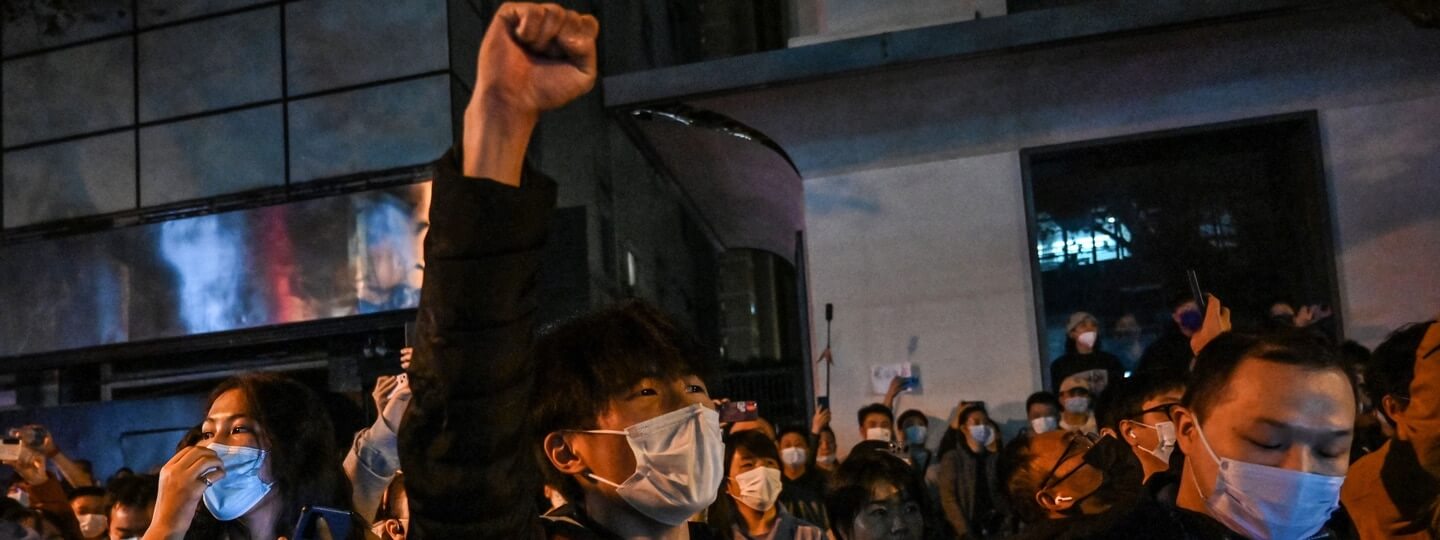
For the first time in sixty years, China experienced a shrink in its national population, ending 2022 with a population of 1.411 billion. With a decline of approximately 850,000 people last year, this marks the country’s first reduction in population since 1961 when Mao’s Great Leap Forward initiative provoked mass famine. This comes seven years after China ended its one-child policy to allow for up to two children, and one year after the limit was raised to three. Meanwhile, an ease in the government’s COVID restrictions has led to a spike in infections, and while China’s National Health Commission has claimed that 60,000 of its citizens have died of COVID-19 since December 8, it is hard to know whether the numbers are being accurately reported. This comes as over 100 demonstrators, many of which being recent university graduates, have possibly been detained as the Chinese government continues to crack down on anti-regime protests.


Hong Kong:

Police in Hong Kong raided a lunar new year market and arrested six people for selling a “seditious” book about the 2019 anti-government protests. Before the national security law enacted in 2020, these markets were popular spots for pro-democracy groups to sell politically satirical souvenirs. These arrests came days after the city’s national security chief, Zheng Yanxiong, was promoted to head of Beijing’s top representative office in Hong Kong. Last week, the UK released a report criticizing the Chinese government’s systematic erosion of freedoms in Hong Kong, a former British colony.


Indonesia:

Indonesian President Joko Widodo acknowledged the country’s history of human rights violations and pledged to compensate victims and prevent future abuses from occurring. In a televised address, Widodo remarked on 12 events spanning nearly 40 years. The incidents include mass killings targeted at members of the Indonesian Communist Party in 1965 and the abduction of students during protests in 1998. In total, the events are estimated to have killed about 500,000 people. The President formed a group of academic, military, and political leaders to put forward a non-judicial resolution between the government and victims and their descendants. Human rights groups hope that the President’s statements will move to bring justice for the victims of these abuses.


Myanmar:

A Myanmar court has sentenced to prison terms 112 Rohingya refugees that tried to leave the country in December last year. In particular, the court sentenced five children under the age of 13 to two years in prison and seven children over the age of 13 to three years. Meanwhile, the Rohingya people, who are being subjected to genocide in Myanmar, continue to try to reach safe areas where they will not be in danger. For instance, about 180 people died on a boat with refugees that went missing on December 24. The UN High Commissioner for Human Rights, Volker Türk, called for greater regional support for Rohingya refugees forced to leave Myanmar to escape persecution.


Belarus:

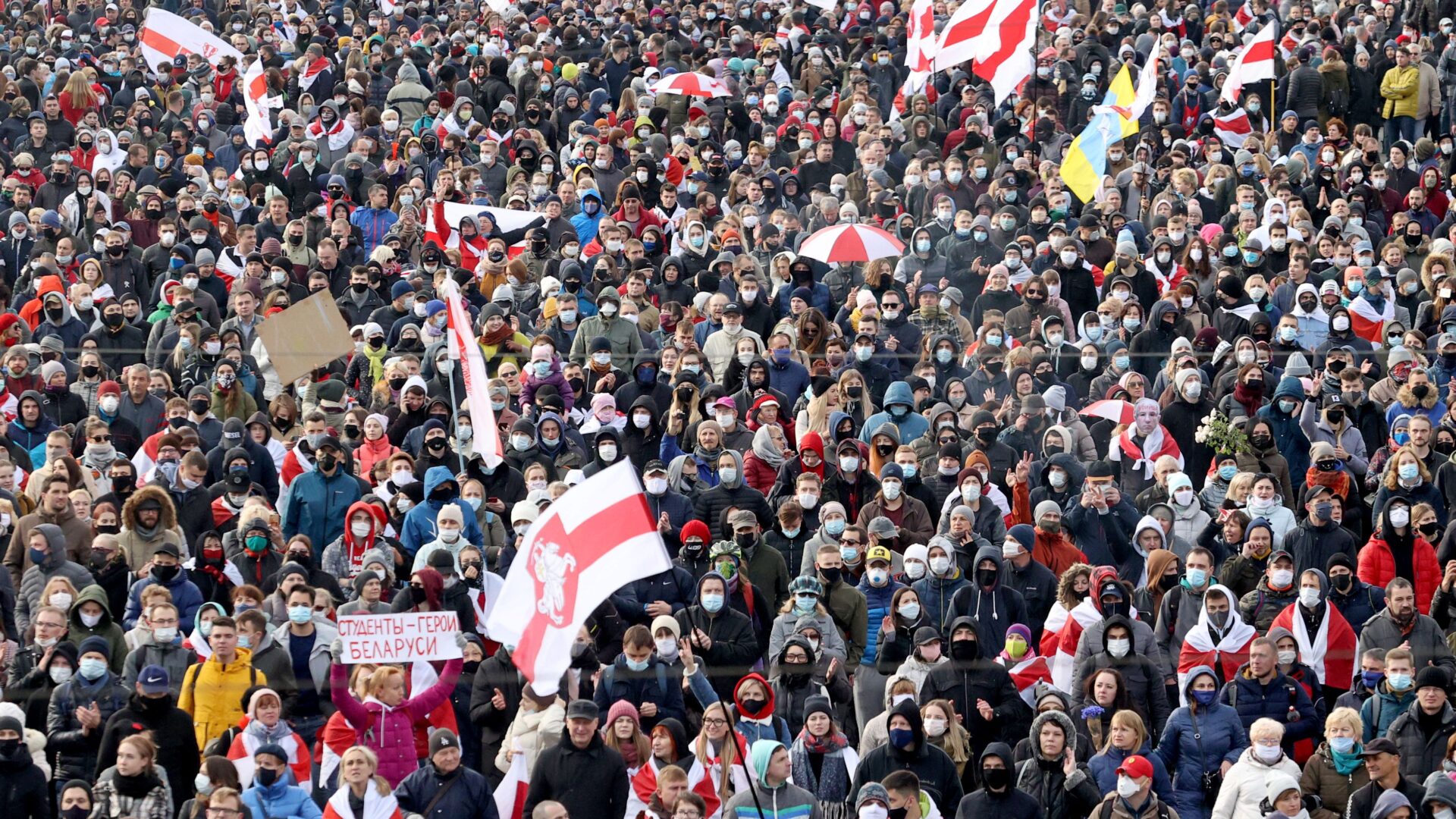
Belarus opened a trial in absentia of exiled opposition leader, Sviatlana Tsikhanouskaya. She is being charged with high treason, conspiracy to seize power, and creating and leading an extremist organization. Tsikhanouskaya faces a possible prison sentence of up to 15 years. She ran against Alexander Lukashenko in the 2020 presidential election, which was followed by nation-wide protests claiming election fraud. Tsikhanouskaya ultimately fled the country for fear of arrest due to her political dissent. In an interview on Monday, Tsikhanouskaya said, “In Belarus, there are no honest trials. We live in absolute lawlessness in our country so tomorrow’s trial will be a farce and a show but not real justice.”

Examining Non-state Stakeholders’ Role in Modern Nonviolent Conflict

The article was published in The Fletcher Forum of World Affairs, Summer 2022 edition:


Abstract


This essay addresses some of the challenges that nonviolent activist movements encounter when navigating non-state stakeholders, including violent groups and transnational corporations. It argues that as the more successful strategy to wage conflict, contemporary nonviolent movements track non-state stakeholders’ fluctuating loyalties and leverage methods of protest, boycott, civil disobedience, and noncooperation in order to secure small wins. The essay provides insight into two movements in Iraq and Myanmar and breaks down how each group engaged non-state stakeholders and used nonviolent tactics to garner support and enact meaningful democratic change.


INTRODUCTION

Since the end of the Cold War, power continues to be devolved from the state and into the hands of non-state stakeholders including militias, extremist groups, and international corporations. Some of the particularly violent stakeholders, such as those in Iraq, developed into extended and highly unaccountable arms of a military. In other scenarios, wealthy individuals and global corporations have scaled to compete with the state in monetary terms by leveraging their investments to influence geopolitics in their favor. Nonviolent activists know better than most that this dispersion of power has greatly altered the political landscape, and that non-state stakeholders must be skillfully navigated to guarantee victory.

This essay examines how nonviolent movements pivot their strategies to achieve democratic change and considers the rise of non-state stakeholders to positions of power. While subscribing to the core methods of strategic nonviolent struggle, the essay compares how movements in Iraq and Myanmar are utilizing non-state stakeholders’ newfound power to achieve positive change.

Part One provides context on the method of strategic nonviolent struggle and why, even in the face of violent repression, it is more likely to result in sustainable change compared to a violent strategy. Part Two discusses the challenge that movements face in navigating non-state stakeholders due to the nature of these actors’ loyalties. This section also compares how activists in Iraq and Myanmar tracked non-state stakeholder’s loyalties over time to identify ripe moments to secure wins for the cause. Despite a difference in context, this essay concludes that the scenarios in Iraq and Myanmar illustrate how a nonviolent approach that carefully navigates non-state stakeholders is the key to achieving democratic change—even in the face of unimaginable violence.

WHY NONVIOLENCE WORKS

The success of nonviolent resistance challenges conventional thinking, which assumes that political violence is the most effective way for a resistance campaign to challenge an adversary and achieve its goals. As a civilian-based method, strategic non-violence leverages social, psychological, economic, and political means to challenge an adversary without the threat or use of violence.[1] Hundreds of methods of nonviolent resistance—including economic boycotts, labor strikes, public protests, non-cooperation, and nonviolent intervention—have been recorded by scholars and are employed regularly to mass mobilize populaces as means to assert political pressure and delegitimize adversaries.[2]

History even favors nonviolence as the choice method of resistance over that of a violent strategy. According to The Nonviolent and Violent Conflicts Outcome (NAVCO) 1.3 Data Set (an initiative including comparative data on 622 global resistance campaigns between 1900 and 2019) movements that adopt a nonviolent strategy are successful 52 percent of the time.[3] The achievements of nonviolent movements starkly differ to violent resistance campaigns, which have so far only been successful 39 percent of the time.[4]

Still, some contemporary scholars and activists have argued that political violence is a legitimate tool that activists should employ, particularly in the face of repression.[5] Nevertheless, the strategic logic behind nonviolent resistance reaffirms the method’s superiority. Many who argue in favor of violent tactics have claimed that nonviolence is a “Western” technique and that those who advocate for its application fail to consider risks involved with the strategy.[6] Some also argue that using methods of unarmed violence, like launching Molotov cocktails or throwing rocks, is effective for achieving short-term change due to a lack of other mechanisms at a groups’ disposal, such as elections.[7] Other activists claim that they’ve found a balance in establishing fringe groups in their movement who successfully employ unarmed violence in tandem with nonviolent actions.[8]

While it may be possible that the adoption of unarmed violent tactics resulted in short-term change for some movements, there is little evidence to suggest that the use of these tactics is effective for enacting long-term democratization. This is because when a resistance movement adopts a violent strategy, they are challenging their adversary in an area where their adversary maintains the upper hand.[9]

Adversaries (whether they are a corporation, military, or extremist group) have wielded violence to uphold what Johan Galtung, a Norwegian sociologist, refers to as structural violence.[10] Unlike direct violence, which Galtung defines as the “physical harming [of] other humans with intention,” structural violence is the driving force behind social systems which prevent part of the population from meeting their basic needs, causing premature death as a result of exclusion, neglect, and poverty.[11] In modern societies, structural violence tends to manifest as institutionalized colonialism, racism, sexism, ethnocentrism, elitism, and nationalism. Galtung argues further that those stakeholders who benefit from structural violence rely on widespread direct violence, such as police violence or disinformation, to maintain their position of power.[12]

The theory of structural violence highlights a key reason for why adopting violence is unwise: a movement’s adversary has had many years of experience in using violence as a tool to stay in power. This means that in most scenarios, a movement’s adversaries will have an absolute advantage in a violent strategy from both a material and structural perspective.

WHAT ARE NON-STATE STAKEHOLDERS AND HOW DO WE CONCEPTUALIZE THEIR LOYALTIES?

Non-state stakeholders are entities that are not directly funded by the sitting government of the state from which they operate. In real terms, high net-wealth individuals, multinational corporations, non-governmental organizations, militias, and nonviolent movements are among some of the entities that fall under the category of “non-state stakeholders.” Some of the more powerful non-state stakeholders tend to operate with a large degree of impunity as they have superseded the authority of a sitting government.[13] While countries have combined their resources to develop a global system of justice through the establishment of entities like the United Nations or international courts, powerful non-state actors persistently subvert accountability for international crimes.[14] Groups operating with impunity can be highly problematic for nonviolent movements as they can lead to unchecked repression targeting activists or result in a non-state stakeholder becoming the lifeline of the movement’s adversary.[15]

In order to overcome the conundrum of non-state stakeholders, successful activists have broken down non-state stakeholders according to their loyalties and created campaigns that aim to shift some of those loyalties to the movement’s cause. Loyalty in this scenario may be thought of as both an emotion and a set of behaviors.[16] Similar to emotions like love or sorrow, individuals can be loyal to multiple things at once and their expression of loyalty manifests in myriad forms. An individual’s loyalty to something or someone may also shift radically if a superior alternative comes along.[17]

This approach for conceptualizing loyalty alignments is congruent with the logic of strategic nonviolent struggle. This approach humanizes the individuals within a non-state stakeholder by asking: “what are those individual people loyal to as it relates to being part of that non-state stakeholder and why?” Therefore, instead of approaching a non-state stakeholder as an institution, activists view them as a large group of individuals. Each of those individuals, a human, is loyal to a variety of things, such as their families, their religion and their job.[18] The goal for activists is to acknowledge these loyalties and present individuals that constitute the stakeholder with a beneficial alternative, such as gaining freedom of expression or earning more money.[19]


Navigating Non-state Stakeholders to Achieve Victory

To complement the theory, we will now examine two examples of nonviolent movements that successfully navigate non-state stakeholders. The first example in Iraq conveys the importance for movements to act on individual’s loyalties when the prospect of winning the support of an entire non-state stakeholder group is not possible. The latter example in Myanmar examines how a boycott and divestment campaign tracked several non-state stakeholders’ fluctuating loyalties to apply sustained pressure and eventually, win over their support. In both cases, activists were faced with a choice between adopting a nonviolent or violent strategy to achieve their goals; activists in both cases chose nonviolence in the face of violent adversaries and yielded victories for their causes.

Iraq:

Popular discontent over poor living standards, unemployment and insecurity had been simmering in Iraq’s Shia Muslim majority areas during summer 2019, including the capital city Baghdad and across the oil-rich southern governorates. It had been one of Iraq’s hottest summers and despite generous oil revenues, most low to middle income Iraqis lacked clean running water and a sustained source of electricity. The situation boiled over in September 2019 when security forces violently dispersed a peaceful student sit-in outside the Prime Minister’s office in Baghdad using a water cannon.[20] Coordinated demonstrations surged across the capital and in the south; protesters were met regularly with live ammunition by the country’s Hashd al-Shaabi formations, an umbrella of militias that were originally mobilized to combat ISIS.[21] Several of the Hashd’s more powerful militias are loyal to the Iranian Revolutionary Guard Force, both ideologically and monetarily, and have affiliations with Iraqi political parties.[22]

The coordination among activists grew more sophisticated as more took to the streets, particularly following the former Prime Minister Adel Abdil Mahdi’s decision to transfer a commander Abdel-Wahad al-Saadi from the elite Iraqi Counter Terror Service to the Defense Ministry.[23] Seen as one of Iraq’s core war heroes in the fight against ISIS, al-Saadi was celebrated, particularly among Shia young men. While his promotion was executed by Prime Minister Madhi, al-Saadi’s followers perceived his demotion as an act of political coercion stemming from the Hashd’s powerful pro-Iran militias, and thereby an act of foreign influence from the Islamic Revolutionary Guard Corps.[24]

Protest participation surged once more, as activists began occupying public squares in Baghdad and the southern governorate capitals. In Baghdad’s Tahrir Square, protesters developed methods to communicate their demands, including a newspaper publication known as “Tuk-tuk,” named in honor of the local motorized taxi drivers known for bravely transporting wounded demonstrators to hospitals.[25] The movement also broadened its membership, inviting Iraqi women to join its leadership ranks. Participation surged once more with numbers reaching up to 100,000 in Baghdad’s Tahrir Square as hundreds of women took to the streets.[26]

To challenge the Iranian-aligned militias’ loyalties and persuade them to join the cause, protesters focused on a commonality among the support base’s loyalties: national pride. The demands, though arguably vague, included a stop to all foreign intervention in Iraq, whether it be Iranian or Western, fresh elections and an end to the country’s “status quo” of corruption, high unemployment, sectarianism, and violence.[27]

Fringe groups using unarmed violent tactics popped up, particularly in the South. They burned down the Iranian consulate general in Najaf as crowds chanted “death to Khamenei,” the Iranian Grand Ayatollah.[28] Iranian-aligned militias reacted aggressively, employing indiscriminate live ammunition, and launched Iranian-supplied military-grade tear gas, killing over 500 protesters.[29] Between December 2019 and August 2020 the militias proactively kidnapped and assassinated activists, namely female activists, to condemn their participation.

As a reaction to the militias becoming more entrenched in their loyalties, Iraqi protesters began to focus on chipping away at the militia’s source of manpower by persuading young disenfranchised, unemployed men to join the cause instead of the militias’ ranks.[30] When threatened by powerful clerics over gender integration in the streets, protesters held hands in the square and covered public spaces with drawings of martyrs and Iraqi women resisting.[31] This strategy enabled activists to forgo focusing on pulling the militias to their side altogether and instead appealed to the loyalties of individual fighters or prospect fighters.

As the protests raged, the Iraqi parliament pushed through electoral reform legislation in late 2019, changing the system from a proportional system to a single non-transferrable system.[32] Though imperfect, the change allowed for voters to select individual candidates over party lists. The legislation also reserved a quarter of the total 251 seats for women.[33]Still, the protests pressed on, with corruption and foreign influence remaining. On February 11, 2021, activists demonstrated the true influence of their actions after the powerful Iraqi Shia Cleric Muqtada al-Sadr dissolved his “Blue Caps” militia. This was in response to protester demands over viral videos displaying the militia members killing dozens of protesters in Najaf to reopen roads.[34] The appetite to appease the movement reflected the protesters’ adjustment to appeal to Iraqi-aligned militia members’ loyalties to their country. In May 2021, the protesters’ campaigns over the Iranian militia’s kidnapping and assassination intimidation campaign also yielded a small win after the head of the Iranian aligned al-Anbar militia Qasim Muslin was arrested for playing a role in the death of two kidnapped activists.[35]

The movement’s true success shone through the parliamentary elections in fall 2021. The Iran-aligned militias’ Fatah Alliance lost ground in Parliament, relinquishing 31 seats. Meanwhile, Iraqi women- including two women representing the ethno-national minorities in Iraq, surpassed the established quota and won 97 seats.[36] Iran-aligned militias deemed the results as illegitimate and threatened to escalate their violence. Instead, the Iraqi Supreme Court ratified election results in December 2021.[37]

While the results may appear to be small victories, these extraordinary developments represent a

demotion in the militias’ power, a condemnation of their use of violence and an endorsement for the Iraqi state’s inclusion of women and minority groups. This progress was achieved as a result of the activist movement acknowledging that the Iranian militias’ loyalties were unlikely to shift in their favor. Instead, they made a conscious decision to appeal to the loyalties of young Iraqis and persuade them to join the nonviolent cause over the militias.

Myanmar:


On November 8, 2020, Myanmar’s National League for Democracy won a landslide victory in the national elections. The elections were a major step forward on the path to democratization.[38] Nevertheless, the Tatmadaw (Myanmar Armed Forces) declared the results as illegitimate on February 1, 2021, and launched a coup d’état against the elected government. Established activist groups, professional unions and civil servants quickly mobilized to form the “Civil Disobedience Movement” that aimed to garner broad support from across the country.[39] The goal was straightforward: to execute a national labor strike and bring the economy, and the Tatmadaw’s sources of financing, to a full stop.[40]

While the United States and its European counterparts began imposing economic sanctions on the Tatmadaw’s revenue streams, Myanmar’s liquified natural gas (LNG) industry remained untouched. Lobbying by companies with direct investments in the country, including the French oil and gas venture TotalEnergies (Total) and the US-owned Chevron Corporation (Chevron ensured smooth operations in the LNG sector).[41] The Civil Disobedience Movement recognized that by not sanctioning the LNG activities, the Tatmadaw would still maintain a strong source of revenue.[42]

The movement set about winning over non-state stakeholders’ support, convincing them to divest from the Myanmar LNG pipeline connecting the offshore Yadana Gas field to Thailand.[43] Activists mapped out Total and Chevron’s loyalties and deduced that profit and brand reputation were the critical assets that both companies were most loyal to. The Civil Disobedience Movement then worked with supporters abroad to develop the “Stop Buying Juna Business” boycott and divestment campaign, while also pulling both companies’ workers at the Yadana gas field into the nationwide labor strike on February 11, 2021.[44] LGN workers posted pictures from the offshore platforms calling on both companies to condemn Tatmadaw’s growing list of human rights violations against nonviolent protesters.[45] TotalEnergies promptly responded to the strike and calls to divest claiming that they would not stop producing gas on the Yadana Fields “in part to protect employees from those who might otherwise risk repercussions from the military junta.”[46]

Over the next 30 days, international pressure mounted as global news agencies, such as Reuters, published lists of foreign companies with direct ties to the Tatmadaw and acts of protest and civil disobedience which directly targeted these companies’ offices began to pop up.[47] In Washington D.C., American activists staged a demonstration outside of Chevron’s local office and took turns whacking a pinata adorned with a picture of the company’s primary lobbyist responsible for aggressively working to keep the US from sanctioning Myanmar’s energy industry.[48] This dilemma action targeted Chevron’s loyalty to its profit and identified the absurdity of its actions to protect that profit while directly funding the violent military junta. In May, an activist covered the façade of the national Myanmar Oil and Gas Enterprise’s headquarters with red paint, brandishing slogans demanding that Chevron and Total withdraw from the country, otherwise risking more Burmese blood being spilled.[49]

By the end of May 2021, sustained, albeit small scale protests, had popped up at numerous Chevron refineries in the US and at Total offices in Europe.[50] The campaign managed to impose enough upward political pressure on Chevron and Total that on May 27, 2021, the energy giants jointly suspended cash distributions derived from the Yadana gas venture to the Tatmadaw junta. The decision followed a joint vote by both companies’ shareholders.[51] The suspension marked an important step in the shift of the energy companies’ loyalties, as it signaled that they were unwilling to risk their reputation and potentially, their profit, if the boycott and divestment campaign grew stronger. With a combined 59.24 percent share in the offshore project, the act partially fulfilled The Civil Disobedience Movement’s goal to cut off financial support to the Tatmadaw.[52]

Amidst sustained nonviolent campaigns, including continued direct action targeting both companies, the energy giants halted all operations and withdrew from the Yadana gas venture on January 21, 2022, citing human rights abuses and a deteriorating rule of law as a direct result of Tatmadaw’s coup d’état.[53]

CONCLUSION

Non-state stakeholders, ranging from high net wealth individuals to violent extremist groups, will continue to emerge onto the political scene and challenge traditional sources of political power like standing governments, militaries, and international courts. The cases in Iraq and Myanmar demonstrate how those non-state stakeholders which manage to supersede a domestic government may act with high levels of impunity in using violence against civilians, or in maintaining business ventures that directly fund entities accused of committing war crimes. This shift in the political landscape presents a particularly complex challenge for nonviolent movements that aim to pull as many individuals as possible to their side because powerful non-state stakeholders exist outside of the system already attempting to democratize. For several movements, such as those in Iraq and Myanmar, tracking and appealing to individuals’ loyalties who collectively make up a non-state stakeholder has proven fruitful in realizing their goals.

Successfully tracking loyalties as a means to navigate the rise in non-state stakeholders will be critical for those movements seeking to enact meaningful change in constituencies especially where extremist groups have established viable alternatives to government systems. Despite their extremist ideologies, groups like Al-Shabaab in Somalia or the Islamic State-Khorasan in Afghanistan, are able to govern territories because they provide core services in the absence of the central government, such as security and clean water delivery. The populations they govern therefore, have accepted their ruling in order to survive. In other scenarios, such as Russia’s invasion in Ukraine, large-scale corporations’ boycott and divestment from those abusing human rights may prove to be a powerful tipping point in a movement’s ability to apply political pressure on its adversary. Activists’ ability to influence large-scale divestments may be achieved by appealing to the loyalties of the core decision makers within these corporate non-state stakeholders.

To work in parallel with activists’ strategy in appealing to loyalties, policy makers must meaningfully engage and endorse nonviolent movements as the legitimate voice of the people. Further, by applying economic sanctions on individuals within militias, extremist groups, or corporations who either monetarily support or directly repress nonviolent activism, the international community will aid in democratically diffusing power to the people.

[1] Erica Chenoweth and Maria J. Stephan, Why Civil Resistance Works, (New York, NY: Columbia University Press, 2014), 18.

[2] Gene Sharp, 198 Methods of Nonviolent Action, Albert Einstein Institution, 1973.

[3] Erica Chenoweth and Christopher Wiley Shay, List of Campaigns in NAVCO 1.3 – NAVCO Data Project, V1 (2020), distributed by Harvard Dataverse, https://doi.org/10.7910/DVN/ON9XND.

[4] Ibid.

[5] See: Brent Simpson, Robb Willer, and Matthew Feinberg, “Does Violent Protest Backfire? Testing a Theory of Public Reactions to Activist Violence,” Socius: Sociological Research for a Dynamic World 4 (January): 1-14.; Daniel Q Gillion, The Loud Minority : Why Protests Matter in American Democracy (Princeton: Princeton University Press, 2020).; Isaac Chotiner, “How Violent Protests Change Politics,” The New Yorker, May 29, 2020, https://www.newyorker.com/news/q-and-a/how-violent-protests-change-politics.; Tonya Mosley and Allison Hagan, “Violence As A Form Of Protest | Here & Now,” Wbur, June 11, 2020, https://www.wbur.org/hereandnow/2020/06/11/voilence-protests-racial-justice.; John Morreall, “The Justifiability of Violent Civil Disobedience,” Canadian Journal of Philosophy 6 (1) (March 1976): 35-47.

[6] Mosley and Hagan, “Violence As A Form Of Protest.””

[7] Interview with Hong Kongese activists, July 9, 2021.

[8] Austin Ramzy, “In Hong Kong, Unity Between Peaceful and Radical Protesters. For Now,” The New York Times, September 27, 2019, https://www.nytimes.com/2019/09/27/world/asia/hong-kong-protests-violence.html.

[9] Chenoweth and Stephan, Why Civil Resistance Works, 22–24.

[10] Johan Galtung, “Violence, Peace, and Peace Research,” Journal of Peace Research 6 (3) (1969): 175-179.

[11] Ibid.

[12] Galtung, “Violence, Peace, and Peace Research,” 183.

[13] Sabine C. Carey, Michael P. Colaresi, and Neil J. Mitchell, “Governments, Informal Links to Militias, and Accountability,” The Journal of Conflict Resolution 59 (5) (2015): 850-876; Stéfanie Khoury, “Corporate (Non-)Accountability and Human Rights,” Asian Journal of Social Science46 (4/5) (2018): 503-523.

[14] Ore Koren, “Means to an End: Pro-Government Militias as a Predictive Indicator of Strategic Mass Killing,” Conflict Management and Peace Science 34 (5) (2017): 461–84.; Khoury, “Corporate (Non-)Accountability,” 2018).

[15] For detailed examples in Iraq and Myanmar, see Marija Ristic, Ivan Angelovski, and Maja Zivanovic, “‘Epic’ Serbian Arms Deal Led to Pierced Skulls in Baghdad | Balkan Insight,” Balkan Insight, December 13, 2019, https://balkaninsight.com/2019/12/13/epic-serbian-arms-deal-led-to-pierced-skulls-in-baghdad/.; Manny Maung, “Myanmar Atrocities Show Need for International Action,” Human Rights Watch,  December 15, 2018, https://www.hrw.org/news/2021/12/15/myanmar-atrocities-show-need-international-action.

[16] For theories on how loyalty is considered an emotion versus a behavior, see: James Connor, The Sociology of Loyalty, 9–34. (New York: Springer, 2007); Robert C. Solomon and Lori D Stone, “‘On “Positive” and “Negative” Emotions,’” Journal for the Theory of Social Behaviour 32 (4) (2002): 417–35; Jack Katz, How Emotions Work (Chicago: The University of Chicago Press, 1999).; Morton Grodzins, The Loyal and the Disloyal: Social Boundaries of Patriotism and Treason (Cleveland: Morton Books, 1956).

[17] Katz, How Emotions Work.; Connor, The Sociology of Loyalty.

[18] Connor, The Sociology of Loyalty, 222–24; Grodzins, The Loyal and the Disloyal, 82–86.

[19] Chenoweth and Stephan, Why Civil Resistance Works.

[20] “In Baghdad, All Bridges Lead to Revolution,” Al-Wasat, November 7, 2019, http://alwasat.ly/news/arabic/263236.

[21] “The Popular Mobilization Forces Admit to Shooting Protesters on the Night of the ‘al-Khilani Massacre,’” Al-Quds, December 9, 2019, t.ly/q5BR.; “Protests Erupt in Iraq against the American Targeting of the ‘Hashd,’ Abdul-Mahdi Threatens to Review the Relationship with the International Coalition,” Al Jazeera, December 31, 2019, t.ly/IcF4.

[22] For an excellent overview of the Hashd al-Shaabi’s structure and operating model, see: The Hashd and Politics from Iraq’s Paramilitary Groups: The Challenge of Rebuilding a Functioning State, International Crisis Group, July 30, 2018.

[23] Mustafa Saadoun, “Iran’s Influence Seen in Transfer of Iraqi War Hero,” Al-Monitor, October 4, 2019, https://www.al-monitor.com/originals/2019/10/iraq-protests-abdul-wahab-al-saadi.html.

[24] Ibid.; Mizar Kamal, “A Women’s Revolution in the Iraqi Streets: We Will Win!” Daraj, October 30, 2019, https://daraj.com/23324/.

[25] “Iraqi Protesters’ Newspaper Aspires to Be a Means of Change,” Reuters, November 20, 2019, https://www.reuters.com/article/idARAL8N2802YD.

[26] Mass Al-Qaisi, “Women Become the Icon of Iraqi Protests,” Al-Ithtijaj, March 8, 2020, https://alihtijaj.com/view.php?cat=1140.; Kamal, “A Women’s Revolution”; Dr. Ilham Makki, “The October Demonstrations Are a Turning Point in the Iraqi Feminist Movement,” Women’s International League for Peace and Freedom, 2020, t.ly/hfus.

[27] Ibid.

[28] “The Protest Scene after Protesters Burn down the Iranian Consulate General in Najaf,” Enab Baladi, November 28, 2019, https://www.enabbaladi.net/archives/345572.

[29] Saadoun, “Iran’s Influence Seen.”

[30] Makki, “The October Demonstrations.”; Saadoun, “Iran’s Influence Seen.”

[31] Ibid.

[32] Iraqi Council of Representatives, Iraqi Parliament Elections Law (No. 9 of 2020), 2020, https://moj.gov.iq/upload/pdf/4603.pdf.

[33] Iraq’s Electoral Preparations and Processes- Report No.4, United Nations Assistance Mission for Iraq, December 10, 2020; “In a Remarkable Precedent, Women Make a Surprise Win in the Iraqi Elections,” Al-Jazeera, October 20, 2021, t.ly/2DeE.

[34] Muqtada Al-Sadr, Twitter post, February 11, 2020, https://twitter.com/Mu_AlSadr/status/1227247455818915840.

[35] “Iraq Arrests Commander in Iran-Backed PMU over Activist’s Murder,” Al-Arabiya, May 26, 2021, https://english.alarabiya.net/News/middle-east/2021/05/26/Iraq-arrests-chief-of-Iran-backed-PMU-over-attacks-on-base-hosting-US-force-Sources.

[36] “The Iraqi Federal Court’s Approval of the Election Results Removes Opacity in Iraqi Politics,” Iraqi News Agency, December 27, 2021, https://www.ina.iq/144833–.html.

[37] Ibid.

[38] Maung, “Myanmar Atrocities.”

[39] Victoria Milko, “How Are the Myanmar Protests Being Organized?” AP News, February 9, 2021, https://apnews.com/article/technology-aung-san-suu-kyi-myanmar-yangon-asia-pacific-026ad5eb9ad6920f0d0d5446e17e27c2.

[40] Ibid.

[41] Kenneth P. Vogel and Lara Jakes, “Chevron Lobbies to Head Off New Sanctions on Myanmar,” The New York Times, September 16, 2021, https://www.nytimes.com/2021/04/22/us/politics/chevron-myanmar-sanctions.html.; “403 Myanmar Civil Society Organizations to Patrick Pouyanne and Michael Wirth,” Progressive Voice Myanmar, April 20, 2021, https://progressivevoicemyanmar.org/2021/04/20/open-letter-to-total-and-chevron/.

[42] Ibid.

[43] Ibid.

[44] Amanda Battersby, “Oil Workers in Solidarity against Myanmar Coup | Upstream Online,” Upstream, March 11, 2021, https://www.upstreamonline.com/politics/oil-workers-in-solidarity-against-myanmar-coup/2-1-960420.

[45] Battersby, “Oil Workers in Solidarity.”; Reuters Staff, “Total Says Abandoning Myanmar Gas Field Would Hurt Workers, Cities,” Reuters, April 3, 2021, https://www.reuters.com/article/us-myanmar-politics-total-idUSKBN2BQ0OX.

[46] Reuters Staff, “Total Says Abandoning Myanmar Gas Field Would Hurt Workers, Cities,” Reuters, April 3, 2021, https://www.reuters.com/article/us-myanmar-politics-total-idUSKBN2BQ0OX.

[47] “Rights Groups Call on Total to Suspend Payments in Myanmar Operations,” Reuters, March 16, 2021, https://www.reuters.com/business/energy/rights-groups-call-total-suspend-payments-myanmar-operations-2021-03-16/; Thomas Conway to Michael K. Wirth, March 21, 2021, https://docs.google.com/document/d/1gJxc8edR_FidQaH1TJxIx6eMB1qvaMYLC9kKcVyEuxQ/edit.

[48] SomOfUs, IMG_7380, photograph, Flickr, April 16, 2021, https://www.flickr.com/photos/sumofus/albums/72157718943019609.

[49] “Rights Groups Call.”

[50] “Protesters Demand Chevron Suspend Payments to Myanmar Junta Ahead of Shareholder Meeting,” MyanmarNow, May 25, 2021, https://myanmar-now.org/en/news/protesters-demand-chevron-suspend-payments-to-myanmar-junta-ahead-of-shareholder-meeting.

[51] Agence France-Presse, “French Energy Company Suspends Payments to Myanmar Army,” Voice of America News, May 26, 2021, https://www.voanews.com/a/east-asia-pacific_french-energy-company-suspends-payments-myanmar-army/6206257.html.

[52] “Chevron, Total Energies Stopping Operations in Myanmar over Human Rights Abuses,” NPR, January 21, 2022, https://www.npr.org/2022/01/21/1074792462/chevron-total-myanmar-human-rights.

[53] Ibid.


How to Sharpen a Nonviolent Movement

Article Source: Journal of Democracy

By Sophia McClennen, Srdja Popovic, and Joseph Wright

In 1982, during the Polish Solidarity movement, the people of Świdnik, a small town in eastern Poland, decided to protest government-media propaganda by taking their television sets for a walk. Activists had wanted to register their discontent at the communist state’s control of all news media, but decided that encouraging individuals to attempt a private boycott would be pointless: After all, who would know if you were sitting at home in your living room not watching the news? But what if a way could be found to make such a boycott publicly visible? What if dissatisfaction with government propaganda and the state’s stranglehold on information could be put on unmistakable display for everyone to see?

Eventually, the activists decided to take their television sets onto the street at the time of the main evening newscast, “walking” them in wheelbarrows as though they were babies in carriages. Before long, anyone walking the streets of the town at this hour could see friends and neighbors ambling and laughing, pushing their TVs, using the thirty minutes previously spent listening to the official newscast to greet one another, gossip, and share in the thrill of standing up to the regime together.

The practice of “walking” TV sets was not only creative but contagious. It was a great gag, and the practice soon spread to other Polish towns. Flabbergasted, the communist government weighed its options. It could not arrest anyone; there was no law forbidding Polish citizens from pushing television sets down streets. All the regime could do was move the 10 p.m. curfew up to 7 p.m., thereby forcing everyone indoors [End Page 110] and signaling its powerlessness to contain criticism with a move that outraged the Polish public even more.

The wheelbarrow protests put the government in a tough spot: Ignoring the protesters would simply embolden them, reveal the government’s weakness, and increase resistance. Repressing protesters for doing something as innocuous as pushing TVs in wheelbarrows would make officials look heavy-handed and overly repressive. The clumsy effort to tamp down the protests by decreeing an earlier start to the curfew cost the regime credibility, expanded the base of Polish citizens critical of the government, and made the authorities look absurd. They could no longer claim that they were acting in the best interest of the people. Once that narrative had been disrupted, their grip on power became tenuous and eventually the regime fell. This specific type of nonviolent tactic is called a dilemma action. It is designed to create a dilemma for the target and force opponents into a “lose-lose” situation: Whatever the opponents do, they will suffer reputational harm and end up looking bad. A well-chosen dilemma action taps into widely held beliefs and uses unpredictability and humor to destabilize the official narrative and attract widespread public support.

But, beyond making for a good story, is this tactic effective? Does it have outcomes that we can measure? Our research suggests that dilemma actions can make a nonviolent campaign 11 to 14 percent more likely to succeed. Nonviolent campaigns are already nearly twice as likely to succeed as violent campaigns (working half the time versus only 29 percent of the time), and our findings suggest that dilemma actions can give nonviolent campaigns a further edge, helping them to succeed almost two-thirds of the time (64 percent).

Over the past three decades, research has shown that nonviolent social protest has been the most reliable path to democracy.1 Recent democratic backsliding notwithstanding, sustained nonviolent mobilization remains a proven path to democratic survival, especially among new democracies.2

Nonviolent mobilization campaigns can and do fail, of course. Since 1905, their rate of full success has been 47 percent (150 of 320 cases). In a more recent subset of all cases since 1974—namely, all the cases that have occurred since the “third wave” of democratization began with the Carnation Revolution in Portugal—the rate of failure (defined as anything less than full success) has been 53 percent (137 out of 258 cases). Civil resistance reached a “new level of popularity” after 2010, but its effectiveness began to decline.3

We know that nonviolent mass movements are significantly more effective than violent ones, but why do nonviolent movements sometimes fail? Could their tactics play a role? Nonviolence itself is a broad tactic, but simply saying that a movement is nonviolent says little about how it actually pursues its goals (other than by abjuring violence, of course). [End Page 111] There is a vast difference, for example, between nonviolent movements that emphasize protests and ones that incorporate more disruptive direct actions such as strikes.

Research on the efficacy of specific nonviolent tactics is scant. Most of it focuses on comparing a few cases to one another, or studies tactical changes within a movement. Apart from suggestions that campaigns will be more effective if they use a “variety” of methods, there has been little noted regarding specific types of tactics and their role in campaign success.

This said, there has been growing interest in assessing the effects of creative tactics. Building on anecdotal accounts such as Steve Crawshaw’s Street Spirit: The Power of Protests and Mischief, or activist training guides such Andrew Boyd and Dave Oswald Mitchell’s Beautiful Trouble: A Toolkit for Revolution, or the Guide to Effective Nonviolent Struggle published by the Center for Applied Nonviolent Action and Strategies (CANVAS), Steven Duncombe and Silas Harrebye offer data on the relative effectiveness of creative versus conventional forms of activism.4 They find that across nearly every quantitative measure—observations of interest, numbers of petition signatures gathered, speed and scale of flyer distribution, reactions to the activists—the creative approach beat the conventional one when it came to reaching desired objectives.

Our study is meant to add to these contributions. It introduces, conceptualizes, and measures the efficacy of dilemma actions. We then use global data on dilemma actions during nonviolent campaigns to assess how this tactic influences campaign success. Our findings suggest that dilemma actions reliably boost campaign success. What makes this tactic so effective?

Dilemma Power
During their colonial occupation of India, British authorities held monopoly control over the vital everyday staple of salt, taxing it and controlling its production and distribution with an eye toward its value as an export. The independence movement could have angrily protested this state of affairs, but instead chose to do something far more creative. Led by Mohandas K. Gandhi, independence activists marched to the coast and began evaporating seawater to make their own salt. Tax protests and noncompliance soon spread across India and affected many things besides salt.

The British authorities found themselves in a bind: They could watch their control over salt (and more) go away, or they could launch a crackdown. They chose the latter, arresting thousands and along the way harming the colonial regime’s legitimacy, sparking an international outcry, and giving the independence movement additional momentum. [End Page 112] Gandhi’s unique ideas regarding civil disobedience became famous, but he was also a master at devising creative dilemmas that would confound his opponents and help his cause.

We have documented cases of dilemma actions across history and on every continent, but systematic study of them is a recent endeavor. The first activist to write about the success of dilemma actions was George Lakey, who in 1987 described what he called “dilemma demonstrations.” Canadian activist Philippe Duhamel read Lakey and devised a “dilemma demonstration” in 2001 designed to protest the Canadian government’s participation in the Free Trade Association of the Americas. Armed with a “giant key,” protesters embarked on a “search-and-seizure operation” at the Department of International Trade and Foreign Affairs in Ottawa, where they demanded that they be given access to the draft trade treaty. Protesters were arrested, which then drew public scrutiny. Why was the Canadian government refusing to release a draft? Why the secrecy? A week later, the protesters had achieved their goals and the drafts were made public. Duhamel later published a detailed account of the tactic.5

For Lakey and Duhamel, at the tactic’s core is the dilemma, which is created by a direct action tactic that forces the opponent into a lose-lose choice. Like all direct actions, dilemma actions work outside of conventional advocacy. They are designed to make the target respond. The typical choice is between efforts to repress the activists, which look heavy-handed, or inaction, which looks weak. In both scenarios, the target loses public credibility and the campaign builds momentum.

In one classic example, the Serbian movement Otpor! (Resistance!) plastered an oil barrel with President Slobodan Milošević’s picture, then placed the barrel in a busy shopping area. Passersby could drop a coin into the barrel and hit the image of Milošević in the face with a baseball bat. Calling the action “dime for change,” the activists encouraged their audience to recognize that they lived under a regime where the government cared more about shielding the autocrat’s image than about letting people peacefully express themselves. Police arrived and had to decide what, if anything, to do. They chose to “arrest” the barrel, which provided excellent photo opportunities and left the police, and by association Milošević, looking absurd. Otpor! could have gone the route of traditional protest, but a fun, provocative dilemma action drew far greater attention to the regime’s repression and built support for the nonviolent movement against it.

Even more important, our definition of dilemma actions, which builds on the CANVAS training experience, requires that activists tap into a widely held belief. Thus, for example, the “dime for change” dilemma action foregrounded the belief that people should be able to peacefully express frustration with their government. When the police shut things down, the repressive response made Otpor! more legitimate and the Milošević regime less so. By combining a peaceful action with [End Page 113] one that taps into a widely held belief, activists have a better chance of building broad public sympathy for their goals and incorporating the type of “large and diverse participation” that Erica Chenoweth has noted as critical for campaign success.6

The third element of a good dilemma action is playful irony. Humor is a powerful tool for activists targeting authoritarian regimes. Laughtivism has been defined as the “strategic use of humor and mocking by social nonviolent movements in order to undermine the authority of an opponent, build credibility, break fear and apathy and reach target audiences.”7 Showing that humor in political activism goes beyond just “letting off steam,” Majken Jul Sørensen explains how funny political stunts can disrupt repressive regimes’ discourse and reframe the narrative.8 Her research shows that using humor also helps activists themselves, who report feeling less fear when engaging in acts that have a humorous element.

Not all humorous stunts are ironic, of course. Activists dressing up in funny costumes may be fun but is not necessarily ironic. Dilemma actions, by contrast, need irony. They hinge above all on exposing the situational irony of opponents’ claims to be acting in the public’s best interest when in fact they are not doing so. As Bill Moyer writes, power-holders devise myths to justify their self-serving policies and programs.9 Oppressive governments do not need citizens to actually believe these myths, but they do need citizens to act publicly “as if” they believe them.10 The inherent irony is that the powerholders’ public narrative hides the truth of their actual practices.

The activists’ goals, then, are to use creative tactics to reveal the truth behind the myths that have been presented to the public as true, and—just as important—to expose citizens to public acts that subvert those myths. If, for example, a regime will not allow the people to publicly express themselves in protest, then a dilemma action will ironically call attention to that by displaying blank signs, staging silent protests, or having toys instead of people do the protesting. Dilemma actions are therefore a form of public disobedience that undermines regime narratives, but in a manner that honors a widely held social norm. The upshot is a public demonstration of how the regime’s narrative defies social norms.

A government may say that it has started a war to keep its citizens safe, while in fact the war puts the citizens at far greater risk. Protesters could respond by hitting the streets in a traditional protest, or they could try creatively ironic dilemma actions: writing antiwar messages on currency, [End Page 114] dressing in skeleton costumes to protest in cemeteries, or holding up blank pieces of paper in silent complaint.11 Arresting a bunch of creative activists for peaceful actions will hurt the regime’s reputation. This outcome is of great interest since a major factor shaping campaign success or failure is how the public perceives activists. When they are seen as disruptive or annoying or extremist, they tend to fail to attract new members.12 By contrast, research shows that if the public feels moral outrage at how the state treats activists, public support for the movement will likely rise.13 Actions that have an element of ironic play can be very effective at portraying activists sympathetically and their targets as hostile.

While the dilemma actions in our study vary in terms of how playful or funny their actions may be, they all share an effort to use creative irony to expose the intrinsic ironies of autocratic power.

The Dilemma-Action Study
This project began with the goal of pairing decades of activist experience with academic research. One member of our research team, Srdja Popovic, knew that dilemma actions could make a difference. He learned this firsthand as a leader of Otpor! helping to bring down the Milošević regime, and later from decades of CANVAS work training other activists across the globe. In order to put experience to a test, we conducted a holistic case study of 44 dilemma actions, coding nine different success metrics. This formed the basis of our 2020 book Pranksters vs. Autocrats.14 The results were encouraging, and led to this study, which documents the extent to which nonviolent campaigns use dilemma actions and tests whether they affect success rates.

To test the efficacy of dilemma actions as part of a nonviolent campaign, we examined dilemma-action tactics that took place during the 320 nonviolent campaigns occurring between 1905 and 2019, and which are included in the larger Nonviolent and Violent Campaigns and Outcomes (NAVCO) 1.3 dataset covering the period from 1905 through 2019.15 The nonviolent campaigns in NAVCO 1.3 provide a sample that we can code for the presence of dilemma actions, allowing us to compare success rates of campaigns with and without dilemma actions.

The first step in coding was to learn the range of tactics used by each campaign and to search for markers of dilemma actions. Examples of these markers include boycotts, hunger strikes, media art, labor strikes, sit-ins, and symbols. If we found a dilemma action, we then coded its descriptive and evaluative features. If our team found a single example of dilemma-action tactics being used within a campaign, the search of the campaign stopped at that point—there was no need to find all dilemma actions since one was enough for comparative purposes. If no evidence of dilemma actions surfaced at first look, the team revisited primary and secondary sources twice more to confirm the absence. [End Page 115]

To give an example of how the coding went: In January 2009, during Iceland’s so-called Cutlery Revolution, nearly two-thousand people gathered outside the Althing (parliament) building to bang pans, pots, and other kitchenware. This use of everyday kitchen items was a helpful and ironic way to highlight the effect that the government’s handling of a massive banking collapse and financial crisis was having on ordinary citizens’ ability to feed their families. Banging pots and pans also made a lot of noise and drew media attention.

The demonstrators called on Prime Minister Geir Haarde and his cabinet to resign, and demanded reforms to make government more transparent. This disruptive action forced the government to either treat the protesters like criminals—and likely face charges of having overreacted—or let the noisy demonstrations continue. The demonstrators achieved their short-term goals: Haarde, the head of the central bank, and the country’s top financial-oversight officer all stepped down. Early elections were held that April. In order to code this case, two members of the research team independently consulted five distinct secondary sources, including newspaper articles, an encyclopedia entry, a peer-reviewed journal article, and an extant database of nonviolent mobilization.

Iceland’s Cutlery Revolution is just one example. Overall, our data indicate that dilemma actions occurred in only about a third of nonviolent campaigns, but at a fairly constant rate over time, suggesting that the presence of dilemma actions is not new. Dilemma actions also occur outside nonviolent campaigns, in part because many attempts at mass mobilization—both with and without dilemma actions—never attract the thousand or more participants that are needed to make it into the NAVCO dataset. In order to get around this limitation in the data, we have assembled our own database of more than four-hundred dilemma actions that includes instances where such actions were one-off events untied to any larger movement, let alone one with a thousand members. We have included, for example, the May 2013 “Kisses in the Subway” protest that happened after public-transit officials in Ankara, Turkey, looked at a station’s security-camera feed and noticed a couple kissing. Defying official admonitions to cease displaying affection on public transport, more than a hundred people flooded a station and spent several minutes kissing. Some held signs reading “free kisses.” Officials then had to decide whether to criminalize kissing or let these protesters undermine their authority. The dataset of dilemma actions found in the NAVCO data comprises about a quarter of the cases that we have studied thus far.

The Evidence
The success rate across all nonviolent campaigns in the NAVCO 1.3 dataset is roughly 54 percent. The left plot in Figure 1 shows that this average varies considerably by whether a campaign uses a dilemma action. [End Page 116] Nonviolent campaigns lacking a dilemma action have an overall success rate of just under 50 percent, while those with dilemma actions succeed on average 64 percent of the time.


Figure 1.

Dilemma Actions and Nonviolent-Campaign Success

Note: Partial success is treated as 50 percent, failure as 0, and full success as 100 percent.

Next, we tested the efficacy of dilemma actions.16 Our estimate suggests that dilemma actions are associated with an increase of ten percentage points in the probability of campaign success. This is lower than the prior fourteen-point estimate (64 versus 50 percent success rate), but our estimate comes from an approach that is often less sensitive to outlier observations. Both approaches suggest that, on average, dilemma actions make nonviolent campaigns significantly more likely to succeed.

The difference in success rates has narrowed over the last three decades, however, just as the overall success rate for nonviolent campaigns has dropped. Both these trends—the smaller difference made by dilemma actions, and nonviolent campaigns succeeding more rarely overall—seem to have started as the Cold War was ending. For much of the twentieth century, including the years from 1920 to 1950, we see a success rate for dilemma-action–inclusive campaigns that substantially outstrips the success rate of campaigns lacking a dilemma action. In the three decades or so since the Cold War ended, however, the difference shrinks. Specifically, it goes from 25 points between 1905 and 1988 to 9 points since that latter year: From 1989 through 2019, nonviolent campaigns with at least one dilemma action succeeded in 61 percent of cases, while campaigns without succeeded 52 percent of the time.

What can explain the shrinking success gap? Could it be that dilemma [End Page 117] actions have a bigger impact when used against full-fledged autocracies of the sort that were more common before the Cold War’s end? Such regimes are by definition farthest from rule by consent of the governed, and as such start out with wider legitimacy gaps for dilemma actions to exploit. To examine this possibility, in Figure 2 we plot the estimated marginal effect of dilemma actions by the level of democracy of the targeted government.

Figure 2. Dilemma Actions Boost Nonviolent-Campaign Success in Autocracies

Source: Democracy data (x-axis) from the Varieties of Democracy (V-Dem) project.

The plotted line indicates that the marginal effect of dilemma actions is highest in more autocratic countries. When campaigns target the most autocratic governments (those with democracy scores between zero and 0.2), the dilemma-action effect is well above average. In the most democratic governments in the set (those with democracy scores above 0.6), by contrast, the dilemma-action effect is about half what it is in autocracies. In short, when nonviolent campaigns target more-autocratic governments, dilemma actions are nearly twice as likely to boost campaign success compared to the situation where dilemma actions are used in more-democratic settings.

How Dilemma Actions Help Nonviolent Campaigns
Our team gathered a range of descriptive data on each dilemma action case to code fifteen distinct metrics, some of which were descriptive and some evaluative. Our evaluative findings indicate four specific elements of dilemma actions that shape nonviolent-campaign success: facilitating [End Page 118] group formation, delegitimizing opponents, reducing fear, and generating sympathetic media coverage.

Group formation
Popovic has argued that a successful movement will tap into what he calls the “cool factor.” His experience is borne out by research regarding what dilemma actions can do to shape public perceptions of the movement as well as the morale of those directly involved. Such actions, for example, present activists as nonthreatening.17 Research on humor and activism further suggests that the use of humor lowers the resistance of the audience to the activist’s message and can induce audience members to think about an issue that they might have been avoiding.18 Even more important, the use of play in activism can help to break down social barriers, creating new alliances among disparate members of society.19

Dilemma actions not only affect public perceptions but the activists themselves. Dilemma actions done with humor and irony give participants as a group positive feelings. To a greater degree than other nonviolent strategies, dilemma actions can help groups to form and stay active. The short-term adverse reactions that dilemma actions tend to rouse from opponents are easily interpreted as tactical successes, which can make activists feel empowered.

Almost all the time (that is, in 92 percent of cases) dilemma actions during nonviolent campaigns are followed by increases in the numbers of campaign participants. Movement mobilization continues after the dilemma action 82 percent of the time, and in 93 percent of cases the event boosts public sympathy for the nonviolent campaign.

Legitimacy
Dilemma actions must not only pose a true dilemma (failed attempts are often traceable to a lapse on this score), but must also touch the chord of a widely held belief. Getting the opponent to respond to the dilemma action in a norm-transgressing way is key. The response is “lose-lose” because the dilemma action dictates that the only alternative to violating a widely shared norm is nonaction, which is a loss because it looks weak.

The dilemma then creates a situation whereby the target is likely to lose legitimacy in the eyes of the public. How onlookers assess the probable value of activism against the target may change as well.20 For example, if the opponent’s first choice is to avoid responding publicly to a dilemma, citizens may sense weakness and resistance grows as a result. If the number of people involved in the dilemma action swells, activists’ legitimacy will rise while their target’s falls. In practice, this means that one of the best ways to mount a dilemma action is to aim at an opponent’s absurd, excessive, irrational, or repressive rules. If protesting is outlawed, then activists can hold up blank signs. Arresting people with blank signs will cost the opponent legitimacy as the public loses respect [End Page 119] for the opponent’s rules. A well-executed dilemma action can reframe the narrative of the regime from legitimate to illegitimate, from just to unjust, from representative to autocratic, and so on.

Regime nonresponse is rare. We find that 90 percent of the time, a dilemma action meets with an aggressive or violent response, or at least one that arguably looks like an overreaction. In July 2011, for example, people marched en masse in Malawi to protest their government. They flew the country’s original postindependence flag—the government had recently changed the design and banned display of the old one. They wore red clothing and called themselves the “Red Army for Democracy and Peace.” Riot police launched violent crackdowns in several cities, but this did not quell the protests, which went on for several more days and sparked again in August and September. The authorities’ harsh reaction, just as in our earlier example of the Polish government’s overreaction to walking TVs in wheelbarrows, aided the activists and undercut the legitimacy of the regime.

Fear
A third causal mechanism linking dilemma actions to campaign success involves the psychology of fear. Egyptian satirist Bassem Youssef writes that fear has always been the “best weapon” of repressive regimes, but “when you laugh, you aren’t afraid anymore.”21 He is the Cairo heart surgeon who became famous for his satire in early 2011, not long after the Arab Spring had toppled the Hosni Mubarak dictatorship, through videos shot in his laundry room and posted to YouTube. Youssef accumulated millions of views on the internet and then made waves with a television show styled similarly to Jon Stewart’s Daily Show. Youssef’s program, Al Bernameg, eventually reached thirty-million Egyptians (almost a third of the populace) and offered groundbreaking comedy featuring unprecedented open mockery of the Egyptian government. Authoritarian regimes use fear to discourage expression, stifle resistance, and foster social division. Fear may create feelings of isolation and apathy by inducing pessimistic perceptions of risks and by boosting risk aversion—two mechanisms that reduce participation in protest.22 Yet as Youssef learned firsthand, laughter can work against fear. When the government of President Mohamed Morsi arrested him in March 2013 for allegedly insulting Islam and the Egyptian state, for example, Youssef showed up at his hearing in a massively oversized version of the hat that Morsi had worn earlier that month while receiving an honorary degree in Pakistan. Rather than let himself be intimidated by the arrest, Youssef used the opportunity to laugh at Morsi’s inability to handle criticism.

Youssef left Egypt in 2014 after further repression from the military regime that had ousted Morsi in a July 2013 coup, but the effects of Al Bernameg continued as other comics such as Shady Abu Zeid launched their own political-satire shows. Zeid also took his satire to the streets [End Page 120] with a dilemma action in 2016, offering inflated condoms as balloons to police in Cairo on the fifth anniversary of Mubarak’s fall. Videos of the protest show the activists and members of the public laughing in the face of police authorities.23 Since laughter is a positive emotion that enhances group formation and collective action, it can be a powerful activist tool.

Dilemma actions may reduce the fear of both activists and their observers. The use of laughter to counter fear may well attract more members to the movement and ease the problem of activist burnout. Perhaps even more importantly, dilemma actions that induce the opponent to react absurdly or illogically may reduce fear among nonparticipants such that they may be likelier to join future protests against the opponent or to replicate the dilemma actions in a different time or place with a different audience.

Autocrats, as Popovic and Youssef underline, do not like jokes. Dictators tend to have thin skins, and to overreact if ridiculed. Their overblown reactions to humor lay bare their outsized egos and fragile identities. In Belarus in 2011, activists were able to agitate the regime of President Alyaksandr Lukashenka by simply clapping in public. When his police arrested some of them, the public saw a heavily armed authoritarian government with every means of coercion at its disposal revealing its fear of peaceful protest.24 We find qualitative evidence suggesting that most dilemma actions (87 percent) help to reduce fear or apathy among campaign participants. By reducing fear and boosting public sympathy, dilemma actions nearly always (88 percent of cases) help to reframe the opponent as less scary or more repressive.

Media
Finally, a well-designed dilemma action will receive media coverage. The key question is whether it is favorable. Research has shown that, in general, protests get bad press and protesters are painted as deviants.25 Coverage will vary based on the outlets doing the reporting and the level of press freedom in the country. Regarding actions in highly repressive countries, international and domestic coverage will predictably diverge.

In the ideal case, media coverage of the dilemma action will introduce the group doing it (assuming it is new or otherwise unfamiliar to the public) and document the norm-violating behavior of the opponent.26 A media report might convey summary information about the group such as its size, composition, and ties to allied or sympathetic groups. Widening public awareness may in turn lead more citizens to change how they assess the legitimacy of the group and its goals.

Media coverage is key to agenda setting, framing, and priming.27 Agenda setting has to do with issue saliency (whether or not the public is thinking about an issue), framing has to do with how the public thinks about an issue, and priming has to do with what leaps first to mind when the topic is raised. For a dilemma action, media coverage is crucial: [End Page 121] Without sufficient coverage of the right sort, there will be no reframing the narrative or priming the public mind to influence what people think of the activism and the reasons behind it. The playful nature of dilemma actions, their use of irony, and their appeal to widely held beliefs are meant to attract sympathetic coverage that can reshape how the public sees the opponent. Our finding in this regard is encouraging: The goals of dilemma actions drew favorable coverage 84 percent of the time.

What Does Success Look Like?
Chenoweth has noted that even when campaigns of nonviolent civil resistance fail, they still lead to long-term reforms more often than violent campaigns do. In fact, nonviolent campaigns were about ten times more likely to precede a democratic transition by five years or less than were violent campaigns.28 Our research suggests that nonviolent campaigns deploying dilemma actions may be even more effective at these long-term outcomes.

In 2012, protesters in Sudan organized “elbow-licking Friday” in an ironic reference to then-president Omar al-Bashir’s habit of calling those who wanted him to leave office “elbow-lickers”—people with a foolish appetite for attempting the impossible. As masses of “elbow-licking” protesters hit the streets, they were met with rubber bullets, tear gas, beatings, and arrests. This aggressive repression went hand-in-hand with internet and media clampdowns plus the president’s bizarre efforts to claim that there had never been any real revolt in the first place. His government’s legitimacy drained away. He hung onto power, but it seems fair to say that the “elbow-lickers” contributed to the growth of a prodemocracy movement in Sudan. Bashir was finally toppled by a 2019 military coup, and despite another putsch in 2021 there are plans to hold elections and write a new constitution in 2023. There were no immediate concessions in this case, but again it seems fair to say that the cause of better and freer government did gain ground in the public mind, and that exposing a repressive president’s absurd ego aided the cause.

Thus, even within the set of campaigns that the NAVCO set designates as failures, those that used dilemma actions still had high success across critical metrics such as reframing the narrative, increasing activists’ appeal, and reducing fear among activists themselves. Each of these positive outcomes has the potential to help unravel repressive power in the future. Once an autocrat’s image has been tarnished by an effective dilemma, it can be hard to recover.

These effects can be seen in various instances that we have tracked of dilemma actions targeting Vladimir Putin’s regime in Russia, revealing the potential positive effects of dilemma actions even if they have not so far led to regime change. Over the last decade, a range of Russian [End Page 122] activists have deployed dilemma actions to challenge the legitimacy of Russian autocracy. In one hilarious 2012 example, activists in Barnaul, Russia, bypassed a ban on public dissent by setting up a display of toys holding tiny protest signs. Seeming to take inspiration from the arrest of the Milošević barrel in Serbia, the authorities ruled the toy array an “unsanctioned event,” then denied an application for a new display by declaring that toys could not be citizens of Russia.29 The situation drew international media coverage and made the Kremlin look ridiculous. In 2021, the police made an arrest in a snowman protest.30

Since the invasion of Ukraine, creative activists in Russia have used dilemma actions to protest the brutal crackdown on any mention of “war.” They have staged silent actions with copies of Leo Tolstoy’s War and Peace, and have drawn up self-censored posters that bear asterisks where the phrase “no to war” should appear. They have even added antiwar signs to merchandise price tags.31

In late 2022, similarly, protesters in the People’s Republic of China held up blank signs and violated bans on public gatherings in response to the government’s repressive “zero-covid” laws, efforts that led to modest concessions as the government decided to loosen restrictions. In the Islamic Republic of Iran, protesters have also used dilemma actions in antigovernment protests. Women have danced, removed their head coverings, and cut their hair publicly in efforts to mock the authority of the morality police. Their actions have received widespread public support. Each of these acts allows protesters to playfully expose the ironies of repressive power and to reframe aggressive policies as exercises in absurdity.

Will these creative tactics force the regimes in Russia, China, and Iran to end their aggressive policies? Probably not. But can such approaches harm these regimes’ authority and popularity?32 Our research shows that there is a decent chance for both to suffer damage. [End Page 123]

What would success look like for the protests in China and Iran?

Article Source: Grid News

By Joshua Keating

What would success look like for the protests in China and Iran?
An activist who helped bring down a dictator on how China’s government learns from dissent, why Vladimir Putin might be more vulnerable than we think and why the climate movement could be a force for democracy.

It’s been a year of dramatic demonstrations in authoritarian regimes around the world, and several of the most-watched protest movements are now at critical junctures.

In China, where protests in cities across the country erupted late last month, sparked by draconian anti-covid measures, the government has now reversed course and is easing up on many restrictions. Some China experts view this as a victory for the protesters and proof that people power can force change, even in the most authoritarian of countries — though the pivot from “zero-covid” is far from the more fundamental political transformation that some protesters were calling for.

In Iran, where protests against discriminatory laws and dress codes targeting women have been roiling the streets since September, the government has hinted at concessions including disbanding the much-despised morality police and amending the law requiring women to cover their hair in public. But it’s not clear whether the regime is really serious about these measures or whether the changes will satisfy a movement that, as one expert told Grid, has “targeted the heart of the Islamic Republic” rather than any specific grievance.

Meanwhile, in Russia, the public protests that erupted in response to the invasion of Ukraine in February and the government’s mass mobilization order in the fall appear to have died down. But questions remain about the strength of Russian President Vladimir Putin’s rule, given clear signs that opposition to the war is growing among the Russian public.

These and other ongoing examples of public dissent have raised a question: When and how do protests against authoritarian governments actually achieve results?

To assess these movements, and the state of the global struggle against authoritarianism more broadly, Grid contacted global democracy activist and researcher Srdja Popovic. In his 20s, Popovic was one of the founders of Otpor!, the student movement that played a key role in organizing the mass protests that overthrew Serbian leader Slobodan Milosevic in 2000. He went on to form the Center for Applied Nonviolent Action and Strategies (CANVAS) an organization that has provided support and training for pro-democracy activists in dozens of countries around the world. Speaking by Zoom from Oslo, Norway, Popovic discussed the strategies that make nonviolent movements effective, why Putin may be more vulnerable that he appears and why the climate movement may be the future of pro-democracy activism.

This conversation has been edited for length and clarity.

Grid: What’s more important to the success of a protest movement in an authoritarian country, the movement itself or the political context in which it operates? Continue reading “What would success look like for the protests in China and Iran?”

How to Build a Nonviolent Movement in Under 45 Minutes!

Democracy works because citizens are willing to engage with the government and create grassroots change. In our experience from working in more than 50 countries, building a nonviolent movement in your country is a crucial part of ensuring a successful transition to a democracy or to defend pillars of democracy in the situations where it may be under threat.
Building a movement to defend democracy may sound like “tough work” but here are CANVAS basics in how to do it – and you can learn those basics in less than an hour – meanwhile also having fun by watching amusing animating cartoons.


Subtitles in: Khmer, Arabic, French, Hebrew, Spanish and English

Step 1: Create Your Vision of Tomorrow


Every journey starts with the same step – by building a roadmap to decide where it is that you want to go. The first step in launching a successful movement for change is answering a single question: “How would society be different if we win?” Remember that your Vision should work not only for you or your friends but also cater to a larger spectrum of constituencies you want to mobilize and recruit for your movement!

Step 2: Build Unity

After you’ve cultivated a Vision of Tomorrow, it is important to use it to unite the different groups that you seek to mobilize. Building unity within the movement is vital to ensuring that those who oppose your movement cannot utilize a “divide and conquer” strategy. Learn how to foster a sense of community and cultivate group identity to ensure that your nonviolent movement can become a force to be reckoned with in this video!

Step 3: Understanding Power in Society and Pillars of Support

In order to create political and social change in a society, you must understand how to gain power and authority. Change is achieved by swaying institutions and organizations that we call “pillars of support.” These are organizations that are currently supporting the “status quo,” but can be swayed through societal pressure into becoming vehicles for change. Remember: no matter how “hopeless” a situation may seem, people can always learn how to wield social pressure to meet their goals – and change a society.

Step 4: Fight Fear and Apathy by Breaking its Core Engine

Two factors fuel the maintenance of the status quo: apathy of the population and the weaponization of fear in authoritarian environments. In both cases, there are large reasons why people obey – and learning how to break these obedience patterns can turn a large number of your fellow citizens into brave and committed activists.

Step 5: Plan your strategy and tactics

There are only two types of movements in history: those that are “spontaneous” – and those that are successful. Success means that you need plan, plan, and plan on various strategic and tactical points of your activities. So get serious and start planning how to address the right pillars in the right order to create effective nonviolent action.

Step 6: Communicate Effectively and Defeat Your Opponent’s Propaganda

Successful movements know how to communicate their messages to both people who they aim to turn into supporters and people who are supporting their opponent. Successful movements also know that once they start becoming successful their opponents will use propaganda against them. Learning how to communicate clearly and discredit your opponent’s propaganda is a “make-or-break” principle of nonviolent movement.

Step 7: Make Your Movement Cool, Witty and Funny


Humor and political satire are at the core of successful social change movements. Not only can you make creativity and humor part of your movement’s identity, but you can also use it to force your opponent into looking stupid or weak. Remember: you want your movement to be cool. Everybody wants to hang around cool people and cool activities.

Step 8: Understand and Use Social Media

In this day and age, new media has become vital for any activists seeking to grow their movement. Learn about how you can use new media for the benefit of your movement, as well as the potential negatives and dangers of its use.

Step 9: Prepare for Oppression – and Make It Backfire

Not all the societies in the world are made democratic. If you are fighting for democracy from within an autocracy, get prepared for your opponents to act oppressively. Successful movements know not only how to defeat fear and oppression, but also how to turn their opponents’ use of oppression against them. Learning to make oppression backfire makes you a jiu-jitsu master of social change.

Step 10: Always Finish What You Start

From the Arab Spring to human rights and anti-corruption campaigns, history is full of examples where movements successful initiated change – but haven’t been able to turn it into a long-lasting new normal. Your vision becomes reality only if your change becomes part of the institutions and culture. So it’s not only about winning – it’s also about how to facilitate transition after that victory.

Toolbox for Successful Movement

Non-violent movements have certain aspects and elements that are crucial to their success. From making sure that you can fund the activities of the movement and negotiate effectively, to ensuring you protect your network and remain inclusive, we cover some of the most relevant tools needed for founders and participants to accomplish the goals set out. Effective strategies need to be implemented from the beginning in order to make the movement successful – and adapted to various stages of a movements cycle. The basic building blocks of organizing- and importantly preserving – a successful movement are explained in the videos below. Let’s get started!

Fundraising 101

The number one question we receive from activists is how to fundraise – especially when no one knows who you are, and you are just starting out! This video explains five steps to get your fundraising underway and is particularly helpful for a movement in its early stages. It covers starting from involving your network, to making sure all those donors can visualize where their support is going, to celebrating your success.
Afterall, everyone loves a good reason for a party!

Negotiation – The Inevitable Ending to Non-Violent Movements

Whether it is for a non-violent movement or pretty much any aspect of your life – having good negotiation skills is a great asset and comes in handy when you are making considerable progress in your movement and are getting close to implementing change. Our workshop blends the analysis of historically successful and unsuccessful negotation outcomes with an academic perspective from experts in the field and case studies we have worked on in the past to make sure you are ready to handle all the tough compromises that come your way.

Grassroots Movements and Climate Change

Most people are familiar with the effort governments and big corporation put into sustainability – from promoting clean energy to the much-loathed paper straws that are now a familiar sight at every café franchise. However, the key to boosting global environmental movements may not be big corporations or governments, but rather developing movement building skills to help an already mobilizing band of young people refusing to pay for the actions of previous generations- and save the earth while they’re at it.

Activism in Pandemic

Many authoritarian governments used the emergency powers granted through a pandemic as a way to track opponents and limit democratic freedoms. However, while this posed some challenges, many movements adapted their advocacy to the public health measures in place and were able to still reach people from all corners of the globe. Many of us remember viral protests that were unique and memorable while brining attention to important issues that we may not have heard of otherwise! This video highlights how pandemic-era movements successfully modified their tactics and what we can learn from them.

Three Elements for Non-violent Movements

The first element is the vision you have for the movement, which needs to be something that people can relate to and want to see. This is followed by having a plan to implement the vision into reality across the different stages the movement goes through. As the saying goes – if you fail to plan, you plan to fail! Last, but not least – we have non-violent discipline. It is vital that this is a clear and distinguishing factor of the movement.

The Journey

Starting the journey to building a successful movement is no small feat! Here, we outline three steps to successfully completing this journey. Step one is having a clear end goal and mission statement to guide your movement in the right direction from the beginning. This is followed by mapping your journey – you want to clearly understand how the target community will look after you achieve your goals. Finally, gather your team! This is not a one-person journey and recruitment is an important part of it.

Visual Communication

Despite doing everything right and having great strategies, some movements are still unsuccessful because they fail to communicate their vision effectively. To avoid this, you need to successfully inspire your audience to get involved and make them have the desired emotional reaction to your message. A strong brand identity is needed, one which aligns with the movement’s purpose and fits well with the message and goals that you want to achieve. This workshop explores how to do this effectively using different aspects of the movement and highlights successful examples that have done this admirably.

Cyber Security for Activists as individuals

Many of us have our entire lives on our phones and computers. While this has made many things easier, it also comes with its own set of problems such as cyber security breaches. Having all of our data in one place is dangerous, and you don’t want information about you or your movement falling into the wrong hands! Digital security training and knowing what to look out for in a cyber breach are important aspects of building and protecting a movement.

Cyber Security for Movements and Organizations

Just like individuals, organizations are also susceptible to dangerous cyber-attacks that can be extremely damaging. Organizations protect critical data and infrastructure by having cyber security frameworks in place to minimize the risk of cyber-attacks and data theft. This can be done by outsourcing cyber security experts that meet the specific needs of that organization, educating employees on how they can minimize the risk of cyber-attacks or going big and having a full-on department that monitors all of the digital activity.

Women in Activism

Women are an essential part of activism – and their incredible impact on movements has been felt around the globe. Despite this, there have been many incidents where their roles have been not been given the recognition they deserve – with men put in the spotlight instead. Movements need to be inclusive and bring people from different backgrounds and perspectives –the participation of women is a step in the right direction to achieve this and will play an important role in getting more people involved.

Transition process – Now What?

Having your movement succeed is wonderful – but it doesn’t stop there, and the transition period is important to making sure the movement remains successful in the long term. Once change has come, it is important for non-violent movements to hold the people in power accountable. Furthermore, advocacy that makes sure the whole society is benefiting from the change is important – and activists must continue to ensure that inclusivity is prioritized during the transition. Finally, activists must not be afraid to get involved in the political institutions and continue to advocate from within – fighting to make them strong and independent tools of democracy.

CANVAS Weekly Update – November 18th, 2022

Dear Friends,

CANVAS is delighted to bring you another issue of our weekly report!

Conflict Update:

A missile strike near the Poland-Ukraine border killed two Polish citizens Tuesday, prompting an emergency meeting of NATO states and eliciting international suspicion that faulted Russia for the incident. On Wednesday, NATO officials concluded that the missile likely belonged to Ukraine and accidentally fell into Polish territory. “There is nothing … to suggest that it was an intentional attack on Poland,” said the President of Poland, Andrzej Duda, calming fears that the incident would lead NATO to invoke Article 5. This week, Russia has pummeled Ukraine from east to west with frequent missile strikes, causing widespread power loss. Kherson, recently recaptured by the Ukrainians, is facing a crisis due to a lack of power and water in the city.


Iran:

Footage on social media showed security forces beating women in the Tehran metro for not wearing mandatory hair coverings, with police opening fire on a crowded platform. As passengers ran out of the station, some were trampled. The videos also show police beating women with batons as they moved from carriage to carriage, likely in response to the intensified protests on Tuesdays where protestors commemorated the 2019 Bloody November protests.


Afghanistan:

Supreme leader Hibatullah Akhundzada, who rules the Taliban through decrees from Kandahar, has ordered judges to fully enforce Islamic law, including punishments like public execution, stoning, flogging, and limb amputation.
Security forces clashed across the Afghanistan-Pakistan border resulting in the closure of a major border crossing. A spokesperson for the Taliban says that the clashes are a misunderstanding, and both sides are investigating the situation. Pakistan has called on the Taliban to ensure that it will not harbor international militants.


Lebanon:

On November 17, the Lebanese parliament once again, for the sixth time, attempted to elect a president. Parliamentary speaker Nabih Berri has again called divided politicians to decide on a candidate. Meanwhile, the caretaker government has failed to manage the economic collapse and cholera outbreak. As a result, politicians have criticized the parliamentary sessions, which could “contribute to normalizing the presidential vacuum.”


Iraq:

On Monday, Iran launched more attacks against Kurdish groups in northern Iraq using drones and missiles to target the foreign actors it accused of orchestrating the protests that have spread across the country in the past few months. This is an escalation in the government’s claim that foreign groups are to blame for the protests and unrest, including plans to attack Saudi Arabia earlier this month. The strikes on Monday hit the Kurdistan Democratic Party of Iran headquarters and Komala, an Iranian Kurdish Communist Party, both of whom are banned by the government.


The United States:

After the recent midterm elections gave Republicans a razor-thin majority in the House, GOP leadership has signaled increased attention to U.S. – China relations. In the future, it can be assumed that two top Republicans would streamline the shipment of weapons to Taiwan to help shield the island from potential Chinese military advances.  In addition, it is possible that Republicans will likely decrease aid to Ukraine while not ceasing all assistance. “What we’re trying to do in Ukraine is avoid global conflict,” said Representative Michael McCaul.


Thailand:

Mass protests accompanied the preparation and opening of the APEC 2022 meeting in Bangkok this week. Thousands of police officers and military personnel have been deployed across the capital to prevent groups of demonstrators from provoking rallies against Prime Minister Prayut Chan-o-cha. However, despite police pressure and threats of criminal prosecution, many activists held actions demanding the government’s resignation and speaking in support of Hong Kong, against the One China policy and the APEC summit itself. According to the information of the Thailand opposition media, the dispersal of the demonstrators took place with unprecedented brutality and violated international norms and principles.

Myanmar:

On November 17, Myanmar military junta announced a general amnesty for prisoners. It is reported that there are plans to release almost 6,000 prisoners, among which 712 are political ones. Even though Aung San Suu Kyi and other leaders of the National League for Democracy party were overthrown by the junta are not subject to amnesty, several prominent activists were released this Thursday, including National League for Democracy party spokesperson Dr. Myo Nyunt and legal advisor Kyaw Ho, the author Maung Thar Cho, and Mya Aye, a leader of the 1988 pro-democracy uprising. Furthermore, four foreign nationals — Australian economist Sean Turnell, former UK diplomat Vicky Bowman, Japanese documentary filmmaker Toru Kubota, and American botanist Kyaw Htay Oo — were also freed. The military said that they would be deported upon their release.


China:

FBI director Christopher Wray has stated his concern about Chinese “police stations” opening in the US, which are used to pressure Chinese nationals to extradite themselves and to spread influence overseas. Wray told a Senate Homeland Security and Government Affairs Committee that Chinese police stations “violate the sovereignty and circumvent standard judicial and law enforcement cooperation processes.”


Sudan:

Tribal fighting in Darfur last week has killed at least 48 Sudanese citizens, according to a recent casualty update. United Nations figures show that some 15,000 refugees have escaped from a Central Darfur village following the unrest. A state of emergency is currently in effect.


Bolivia:

This week, President Luis Arce of Bolivia announced that a national census would be planned one year later than the opposition had wanted. Amid a countrywide strike calling for the census to be held next year, Santa Cruz has recently reached a standstill. According to opposition groups, the government in La Paz put off the census because it would have given them more resources and seats in Congress.
Aside from urban protests, there is also a growing movement of indigenous peoples against the arbitrary mining industry, damaging both nature and the traditional communities’ life. In October 2022, public pressure succeeded in annulling the mining agreement in Madidi, Cotapata, and Apolobamba National Parks. However, Bolivian environmental legislation has significant gaps that allow illegal mining to flourish and cause irreparable ecological damage.


Zimbabwe:

Local Zimbabwean courts released fourteen opposition activists imprisoned in June this week on bond. They were detained at the funeral of another opposition member; whose dismembered body had been discovered a well days earlier. Although several of the group’s members were freed this week, Job Sikhala, who has been detained 67 times but has never been found guilty, is still being kept in a maximum security facility.


Indonesia:

Indonesia and the G7 this week reached an agreement on a $20 billion funding package to aid the Southeast Asian country in accelerating its switch from fossil fuels to renewable energy. The Just Energy Transition Partnership (JETP) was unveiled at the G20 conference held this week in Indonesia. As part of the collaboration, Indonesia will work to reduce its power sector emissions to zero by 2030, which is earlier than the original goal of 2037, and to produce 34% of its electricity from renewable sources by the same year.


Hong Kong:

A US congressional advisory panel recently released a report explaining the new legislation coming from Beijing and diminishing freedoms in Hong Kong. The report from the bipartisan US-China Economic and Security Review Commission described a “new era of control,” with handpicked chief executives handpicked by Beijing. In response, the Hong Kong government has refuted these claims, calling them untruthful. Meanwhile, the controversial National Security Law will continue to be used in high-profile cases on trial right now, such as cardinal Joseph Zen Ze-kiun.


Cuba:

Brian Nichols, Assistant Secretary of State for Western Hemisphere Affairs, condemned the arrests of political prisoners’ relatives in Cuba. In his Twitter account, Nichols stated that “forbidding parents to talk about their imprisoned children is unfair and inhumane. Families have the right to speak to the international community and any other person of their choice about the condition of their loved ones”. Finally, he asked the Cuban regime to “immediately release all the unjustly detained.” This tweet responded to a Cuban police operation on November 16 to prevent the meeting of several J11 political prisoners’ relatives at the US Embassy in Havana. Meanwhile, human rights organizations indicate that more than 1,000 persons are detained in Cuba, serving court sentences “without any judicial supervision, in violation of international law and procedures.”

CANVAS Weekly Update – October 28th, 2022

Dear Friends,

CANVAS is delighted to bring you another issue of our weekly report!

Conflict Update:

Russian forces are continuing their incursion into southern Ukraine as its citizens struggle to retake annexed land in increasingly muddy conditions. Ukraine’s “muddy seasons” have long beleaguered military operations in the country and impeded Adolf Hilter’s moves towards the country’s east in 1941, according to the New York Times. President Putin has sent an additional 1,000 troops to Kherson, according to intelligence from the Ukrainian forces. Meanwhile, reports suggest the United States will soon issue another $275 million in “security assistance” to Ukraine.


Iran:

Mourners gathered on Wednesday at Mahsa Amini’s grave to mark 40 days since her death. Even though security warned mourners and Amini’s family not to hold a ceremony at her gravesite, many came to Saqqez anyway. Riot police and the Basij Resistance Force were deployed in Saqqez and the rest of Kurdistan to anticipate the 40th day of mourning. Protests continued that day, leading authorities to close schools and universities in the province. The fortieth day after death is an important day for mourning in Shia Islam, hence the size of protests this week. Stories of students and young protesters being killed by security forces are being reported by big news agencies, but confirmed counts of deaths and arrests are still hard to come by due to the difficulty to confirm deaths and government data.


Afghanistan:

Women have been following the news about the movement spawned by Mahsa Amini’s death, feeling solidarity and hoping that the movement would spill into Afghanistan. In the past months, Afghan women have gathered to protest the education and employment ban and at the Iranian embassy. Meanwhile, Qatar will suspend evacuation flights for Afghan refugees traveling to the US while it hosts the World Cup. Qatar and the US have been cooperating to resettle Afghans in the US after housing them at a US military base in Qatar.


Lebanon:

deadly cholera outbreak has spread from Syria into Lebanon. The devastated Lebanese economy cannot support sanitation infrastructure, and five people have already died. This week doctors diagnosed half of the total 169 cases, showing a spike in cases since early October. The vast majority are Syrian refugees, but cases are spreading out of crowded refugee camps into Lebanese areas.

After weeks of discussing plans to repatriate Syrian refugees, the first hundreds were sent home from Lebanon, where more than 800,000 registered Syrian refugees are hosted. Critics have said that the voluntary repatriations are coerced and based on incomplete information.


Iraq:

Last Thursday, Abdul Latif Rashid was elected to be president and appointed Mohammed Shia al-Sudani as prime minister-designate. They hope to quickly form a government to end the long term political deadlock that has prevented building new infrastructure. On the border, Iran has threatened to send troops into Iraqi Kurdistan as part of the response to the protests across Iran. The Revolutionary Guard Corps have targeted Kurdish groups in Iraq as foreign interference leading the protests. The threat includes artillery, drones, and missile strikes.


Uganda:

An African health authority declared Thursday that the Ebola crisis in Uganda is now “under control,” according to the Associated Press. The viral outbreak began in late September in the Mubende district and eventually spread to Kampala, the nation’s capital. Nearly all of the 2,694 persons who have come in contact with an Ebola patient in the country have been identified.


Sudan:

A 20-year-old Sudanese woman accused of adultery may be punished by stoning, sparking outrage among human rights activists. She was convicted in a Kosti city court this June amid accusation of a “joke” trial, the BBC reports. In 2015, the Sudanese government, prior to its takeover by a military coup in 2019, pledged to cease the practice of stoning but did not take steps to do so.


Nicaragua:

This week, the US President increased pressure on Daniel Ortega’s rule in Nicaragua in response to escalating diplomatic tensions with that country by signing an executive order prohibiting Americans from doing business in Nicaraguas’ gold industry, raising the possibility of trade restrictions and revoking the visas of approximately 500 government officials. Prior sets of sanctions targeted Ortega’s inner circle, but none were able to weaken his hold on power. By stating that Ortega’s hijacking of democratic values, undercutting the rule of law, and use of political violence against opponents represent a threat to U.S. national security, the latest presidential order significantly broadens the earlier measures. For the first time, the United States has designated a particular economic sector as off-limits, and these sanctions, thus, have created pathways to expand and cover more industries that fall within the specified boundaries.


Bolivia:

Strikes have erupted in the Santa Cruz region to demand that a national census be taken earlier than the government’s current plan for a census in mid-2024; the Pro Committee, as well as the government of the Santa Cruz Department and other regional entities, believe the delay in the national census is detrimental to the region. The census was originally scheduled for November 2022. The protests in the Santa Cruz region, Bolivia’s economic engine, have produced protesters blocking roads and shutting down businesses. The strike began on Saturday when clashes between government supporters and opponents left one dead.


The United States:

Paul Pelosi, the 82-year-old husband of U.S. House Speaker Nancy Pelosi, third in the line of presidential succession, was “violently assaulted” by an intruder with a hammer Friday morning at his home in San Francisco, according to a statement from his wife’s office. Mr. Pelosi is hospitalized but expected to recover; the Speaker was not home when the attack occurred. The armed intruder is currently held in custody, and the F.B.I. and U.S. Capitol Police are investigating the incident. Mr. Pelosi made headlines back in August when he pleaded guilty to drunk driving charges after his arrest in California.


Thailand:

The government has finally approved the long-awaited rules for screening refugees and asylum seekers, who are currently not distinguished from other foreigners illegally in Thailand. Authorities usually let refugees stay and then move to a different country, but have deported large groups occasionally. Refugees are always at risk since Thailand has not ratified the UN’s refugee convention. The new rules require credible reasons to believe someone will be harmed if they return, as well as pass a health screening, background check, and a review of their political behavior.


Myanmar:

Around 80 people have been killed after the military Junta dropped four bombs on a music concert. Rights groups have called this the deadliest airstrike since the initial coup since it threatened the thousands of attendees at a concert celebrating the 62nd anniversary of the Kachin Independence Organisation, a political group that has clashed with the military before. Witnesses report that the military blocked medics. The Association of Southeast Asian Nations announced their concern for the escalating violence in Myanmar.


Indonesia:

The Indonesian National Police has recently been shaken by controversies that have resulted in broadcast courtroom proceedings. Public faith in the police has been severely damaged by recent events where police caused fatalities at protests due to arbitrary arrests and unneeded or excessive use of force. To voice his concerns about the recent incidents, President Joko Widodo summoned over 500 Indonesian officials from across the nation to the presidential palace on October 14. On the same day as the meeting, a joint independent fact-finding team that had been put together following the stampede at Kanjuruhan Stadium released a 124-page report that alleged that the police erased CCTV footage at the stadium and that the use of tear gas had undeniably caused deaths.


China:

Xi Jinping installed loyalists in top party positions during the 20th National Congress of the Communist Party. He left other politicians off of the Politburo that rose through the Youth League faction, stifling their careers and symbolically crushing the faction. Former President Hu Jintao was escorted offstage during the party congress. While it is unclear why he was escorted, it has symbolically been read by the West as Xi’s centralization of power.


Hong Kong:

Pro-democracy activist Jimmy Lai has been convicted of fraud and faces several other cases. He is one of the most prominent activists being prosecuted after the 2019 protests. He founded the pro-democracy media outlet called Apple Daily and is serving prison sentences for 2019 protests and a 2020 vigil in remembrance of Tiananmen Square. He faces life in prison under a new national security law about “colluding with foreign forces” and conspiracy to produce “seditious publications.”


Belarus:

The U.N. aviation agency, the International Civil Aviation Organization (ICAO), released a follow-up report that detailed the state-sactioned bomb threat, which was deliberately false. A year prior, a Ryanair flight was forced to land following an orchestrated bomb threat so Lukashenko’s government could arrest notable opposition journalists. Among that new information was testimony from the Minsk-based air traffic controller who guided the Ryanair pilot through the diversion to the Belarusian capital, Minsk.

A look at the top contenders for the 2022 Nobel Peace Prize

Article source: The Washington Post

By Paul Schemm

The awarding Friday of the 2022 Nobel Peace Prize comes at a particularly fraught moment, amid Europe’s biggest land war since World War II, major increases in food and energy prices and growing alarm over talk of using nuclear weapons.

While the nominations closed in February — before the invasion of Ukraine — it is widely believed the war could have an effect on the final selection, as the Norwegian Nobel Committee often makes political statements with its choices.

In 2021, the committee put the focus on freedom of the press with awards to embattled journalists Dmitry Muratov of Russia and Maria Ressa of the Philippines, while in 2020, it feted the World Food Program. In light of current events, 2022 might be about politics again.

Here are some of the contenders as chosen by the Peace Research Institute of Oslo, whose shortlists in the past have included the 2019 winner, Ethiopian Prime Minister Abiy Ahmed, and the 2018 winners, humanitarians Denis Mukwege and Nadia Murad.

Russian and Belarusian opposition

Two likely possibilities could be the most prominent opposition figures in Russia and its close ally Belarus: Alexei Navalny and Svetlana Tikhanovskaya.

Navalny, who has appeared on a string of shortlists over the years, is currently spending much of his time in solitary confinement at a Russian high-security penal colony 155 miles east of Moscow following convictions on embezzlement and other charges that rights groups have described as bogus.

His anti-corruption organization has highlighted the misdeeds of Vladimir Putin’s regime for years, resulting in his poisoning by Russian security forces with a banned nerve agent in August 2020. After a convalescence in Germany, however, he returned to Russia in January 2021 and was immediately imprisoned.

From his cell, he has managed to repeatedly condemn the war in Ukraine and Putin’s “criminal mobilization because of which tens of thousands of people are going to die in trenches.”

After her husband was imprisoned just two days following his announcement in 2020 that he would run for president, Tikhanovskaya became the leader of the opposition in Belarus against long-serving strongman and close Putin ally Alexander Lukashenko.

Lukashenko’s reelection victory in August 2020 was widely described as rigged, but the ensuing protests were crushed. Tikhanovskaya and her two children fled the country out of fear for their safety. But in the years since she became the face of a movement challenging Lukashenko’s rule, Tikhanovskaya has continued to present herself as Belarus’s legitimate leader.

Chinese activists

The doomed 2019 pro-democracy demonstrations in Hong Kong gained worldwide attention, as did China’s brutal treatment of the Uyghur minority in the far northwest of the country, which was addressed in a long-delayed United Nations report released in August.

The committee could send a message by awarding the prize to activists such as Nathan Law and Agnes Chow of Hong Kong or Ilham Tohti, an imprisoned Uyghur scholar.

Law, who was given political asylum in Britain last year, is one of the most prominent of the Hong Kong activists in exile. He co-founded the pro-democracy Demosisto party in 2016 and was briefly elected as a lawmaker in the city before being disqualified for not taking the oath of office correctly.

He fled the country before the passage of a draconian national security law in 2020 that outlawed most protests and snagged many of his fellow activists, including Chow.

She gained prominence as a 15-year-old spokesperson of the 2012 student protests and went on to participate in most of Hong Kong’s pro-democracy movements, including the Demosisto party. She was eventually arrested and imprisoned for 10 months for her role in the 2019 protests and was released in June 2021. She remains in Hong Kong.

Tohti, a professor of economics, has been imprisoned for life since 2014 on charges of advocating separatism. In 2006, he established a website to draw attention to the discrimination faced by Uyghurs, as well as provide a platform for exchange between Uyghurs and Han Chinese, China’s largest ethnic group. He was arrested in January 2014 and convicted in September after a two-day trial.

Interfaith champion

The selection of Harsh Mander, an activist for interfaith harmony in India, would cast a harsh spotlight on the growing religious polarization in the country that many say has been fueled by the right-wing Hindu nationalist government.

Beginning in 2017, Mander, 67, led activists, writers, lawyers and artists in his Karwan-e-Mohabbat, or Caravan of Love, across India to visit families affected by communal bloodshed.

Mander has been highly critical of Indian Prime Minister Narendra Modi and his policies, which Mander says deepen the religious cleavages in the country and are discriminatory toward Muslims.

The ‘World Court’

In a time of increased rivalry among the global powers and competing narratives about world events, there is a degree of yearning for international institutions that can present impartial opinions, which makes the 77-year-old International Court of Justice, or “World Court,” an attractive candidate.

“Despite having no binding force, the Court’s advisory opinions nevertheless carry great legal weight and moral authority,” the court has noted about itself, and it has been an instrument of preventive diplomacy to keep the peace.

Established in 1945 after World War II, the ICJ is the main United Nations judicial body with a mandate to settle legal disputes between countries and provide advisory opinions on matters of law referred to it by other U.N. bodies.

On March 16, the court ordered Russia to completely stop its military operations in Ukraine. The decision is seen as mostly symbolic, as the court lacks a viable way to enforce its ruling.

Research and activism

If the committee decides to go the route of activism, two organizations that work on human rights and peaceful responses to conflict that might catch its eye are the San Francisco-based Human Rights Data Analysis Group (HRDAG) and the Center for Applied Nonviolent Action and Strategies (CANVAS), an organization based in Belgrade.

HRDAG aims to bring the rigor of scientific analysis to human rights, with investigations into conflicts, while CANVAS educates activists about nonviolent resistance to autocratic regimes and the promotion of human rights and democracy.

Though HRDAG and CANVAS are not directly linked, they were formed in a similar period of activism around the turn of the millennium. Both organizations have worked on similar causes.

They carried out significant work during the Arab Spring, with CANVAS initially advising anti-government protesters in Syria before a violent government response to demonstrations helped precipitate civil war.

HRDAG gained renown at the start of the war, when it was one of the few organizations that tried to put a number on the war’s enormous toll in Syrian lives.


Robyn Dixon and Mary Ilyushina in Riga, Latvia; Theodora Yu in Hong Kong; Lily Kuo in Taipei, Taiwan; Gerry Shih and Niha Masih in New Delhi; and Maite Fernández Simon and Adam Taylor in Washington contributed to this report.