Weekly Report June 5 2020

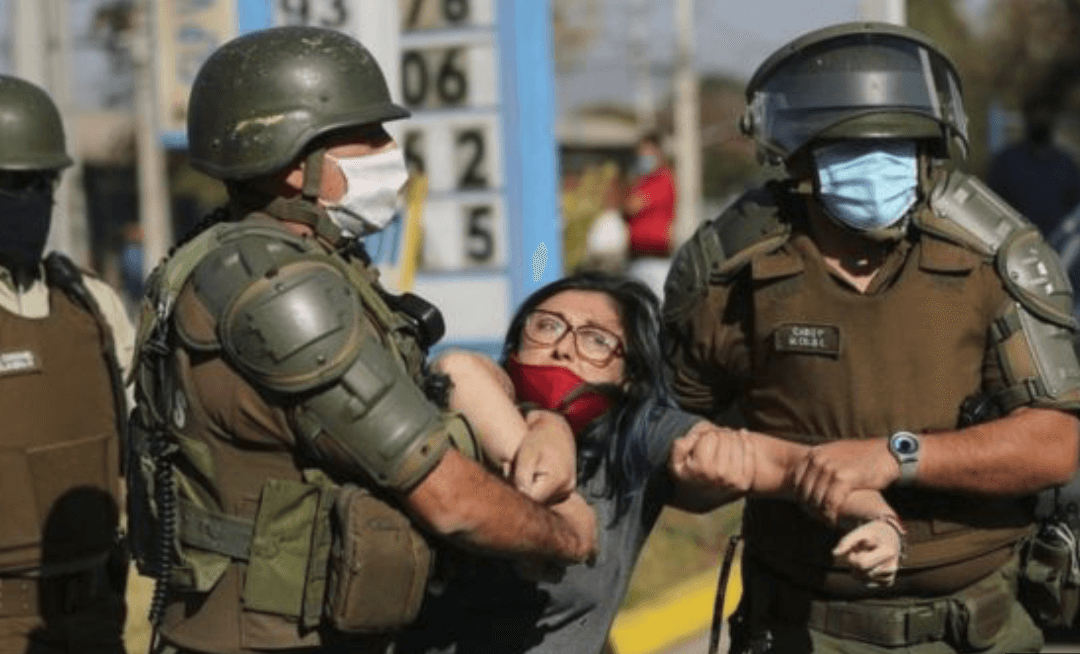
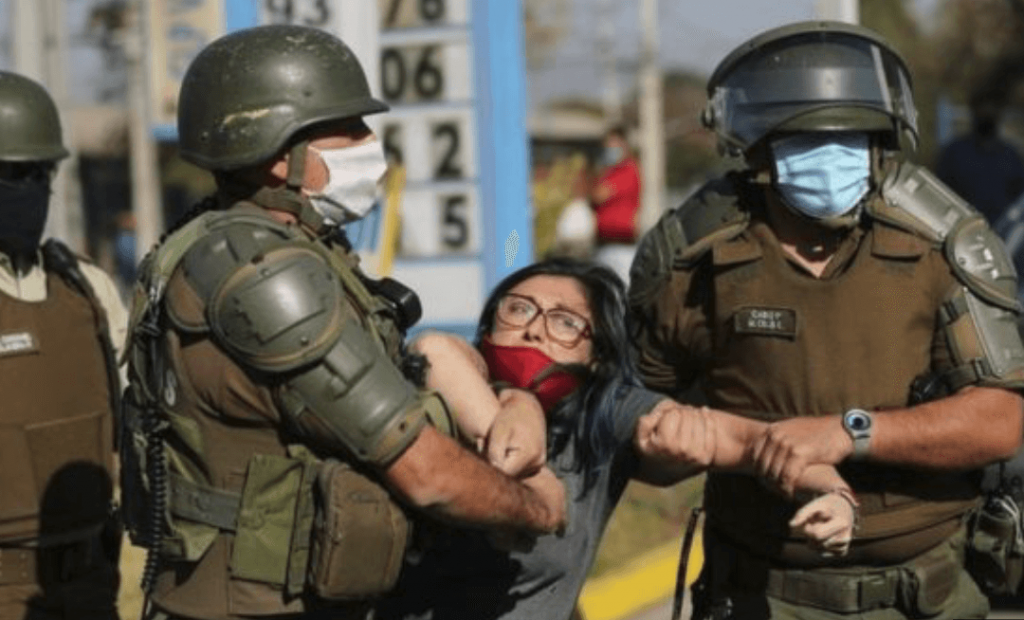
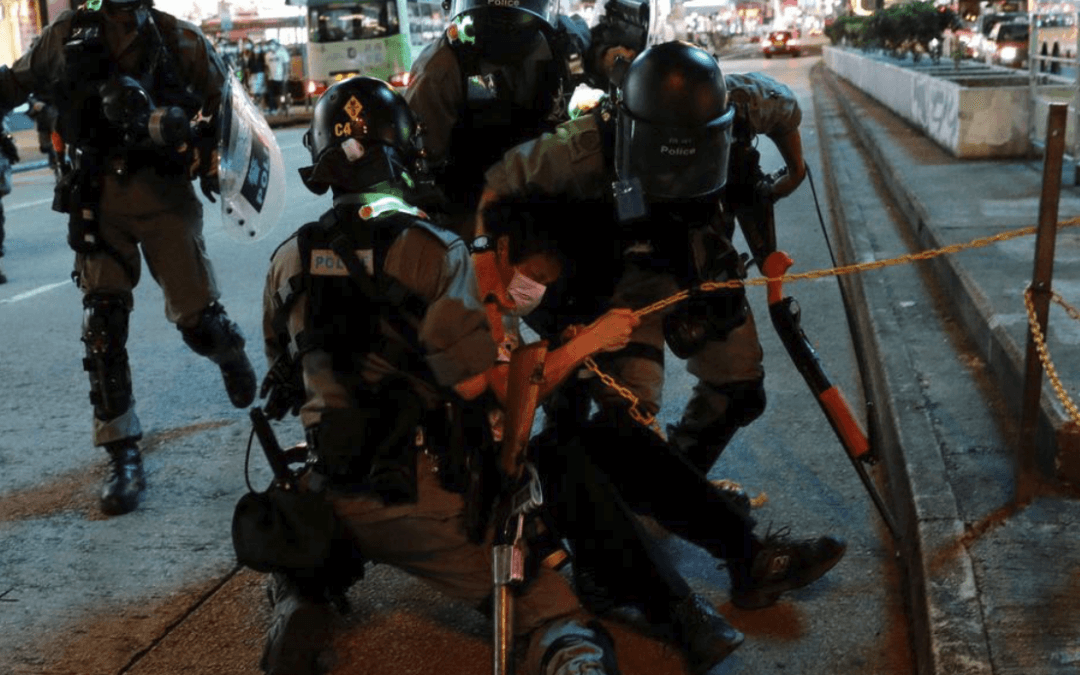
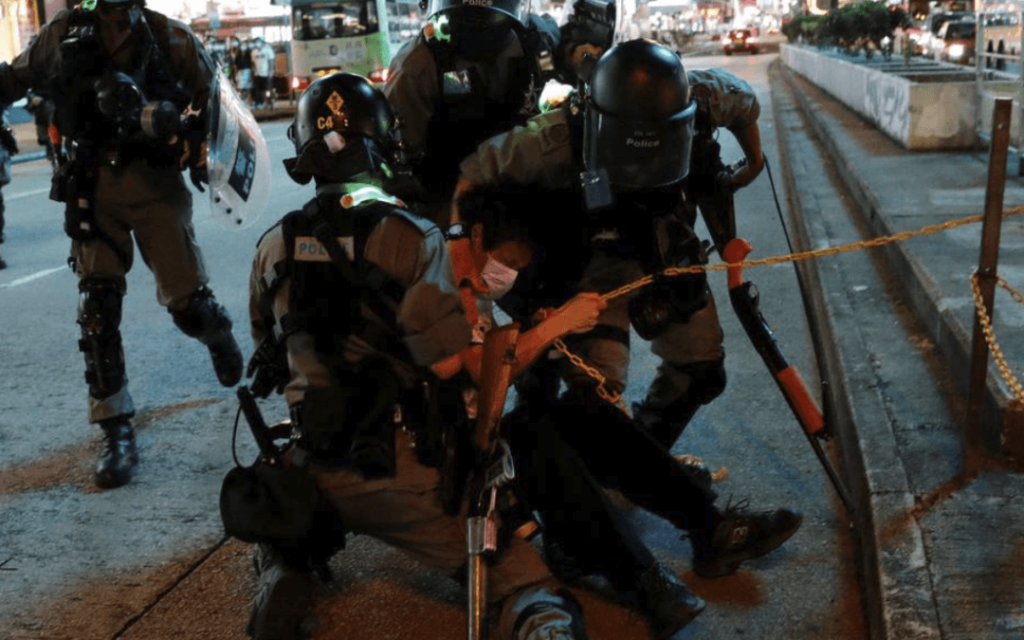
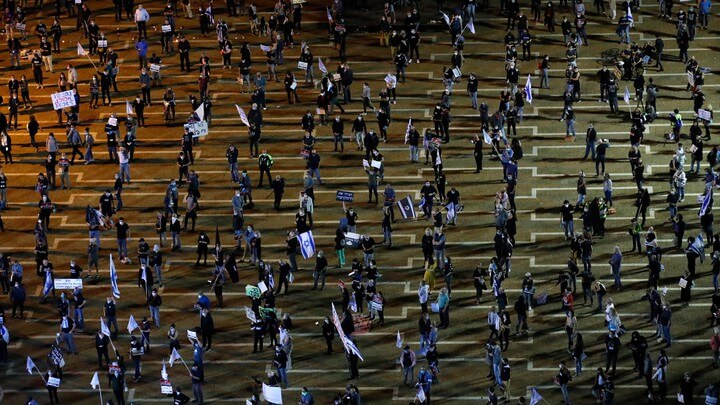
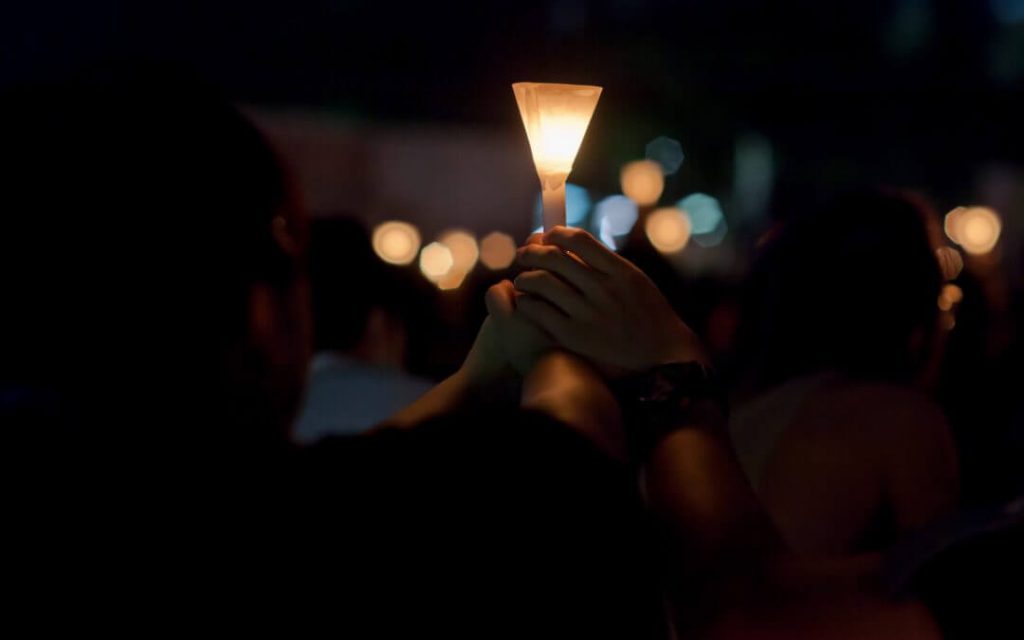
Image: Tiananmen Vigil, Hong Kong. 4 June 2020.

Coronavirus

The World Health Organization (WHO) declares the Americas as the new epicenter of the novel coronavirus pandemic and urges countries not to ease restrictions as case numbers increase across the region. In China, a travel warning has been issued asking citizens to reconsider travel to Australia in light of reported rise in anti-Chinese racism.
United States

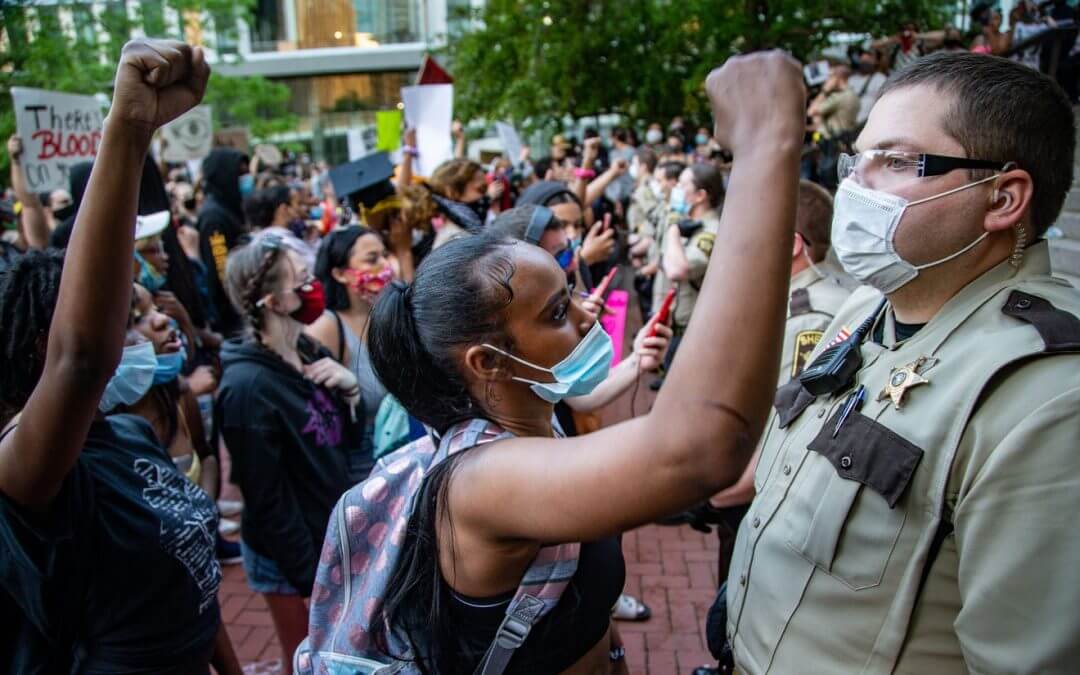
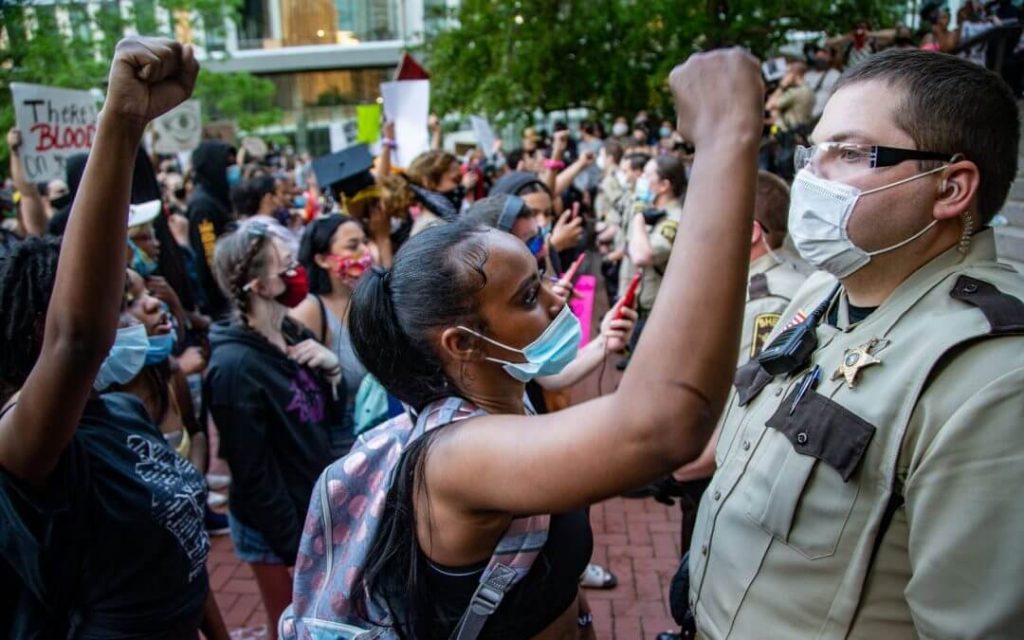
Protests demanding justice for George Floyd and countless other black lives affected by police brutality have spread across all 50 states, some escalating to violence after protestors clash with police and military. Both former Defense Secretary, Jim Mattis, and current Defense Secretary, Mark Esper, have publicly criticized President Trump’s approach to combating the protests.

The police officers onlooking the death of Mr. Floyd, captured on a video that catalysed the Black Lives Matter movement protests, were charged Wednesday with aiding and abetting second-degree murder and aiding and abetting second-degree manslaughter. The charge of the officer presumed responsible, Derek Chauvin, was increased to second-degree murder and second-degree manslaughter. Meanwhile, the suspect in the Ahmaud Arbery case, involving the killing of an unarmed black jogger, is accused of using a racial slur after shooting.
China

Chinese state media seized upon anti-racism protests sweeping across the U.S. to criticize its rival for being a “double standard nation” in response to civil unrest. Amid rising diplomatic and trade tensions, the U.S. has moved to ban Chinese passenger airlines from flying to the U.S., beginning mid-June. In its dispute with India, China has also moved “a significant number” of its troops into a tense, contested section of the Himalayan border. Just last month, aggressive border skirmishes resulted in injuries. 
Hong Kong 

On the anniversary of the Tiananmen Square massacre, the Hong Kong legislature passed a bill to criminalize the mocking of China’s national anthem. Rallies this year were also cancelled as police denied organizers the permission to congregate, citing COVID-19 restrictions. Nevertheless, tens of thousands of people defied the ban to stage a mass vigil in Victoria Park while maintaining social distancing guidelines. Chief Executive Carrie Lam reiterated that the central Chinese government was determined to enforce a national security law that would prevent and punish secession. UK Prime Minister Boris Johnson has offered a new residency visa to 3 million Hong Kong citizens if China presses ahead with security measures.
Myanmar 

Following concerns about delays to Myanmar’s general election due to the novel coronavirus, the Union Election Commission announced that it will be held in November as scheduled. Fighting between government forces and the ethnic Arakan Army in the Rakhine state has thus far killed 257 civilians and injured 570 others since December 2018. The region has seen constant conflict since the Myanmar army’s campaign to expel Rohingya Muslims in 2007. A Rohingya man in Myanmar also recently tested positive for the virus, making him the first confirmed case among members of the Muslim minority in the country. There are 234 confirmed cases, with 6 fatalities to date.
Zimbabwe 

Tensions between Zimbabwe and the U.S. since 2003 begin to rise as Zimbabwe summons the US ambassador over remarks by senior US officials accusing Zimbabwe of “stirring anti-racism protests” on social media over the death of George Floyd. Further, Zimbabwean positive coronavirus cases have almost tripled in the past few days, reaching a high of 203; while a Zimbabwean judge has ordered the improvement of mandatory quarantine facilities following the Zimbabwe Association of Doctors for Human Rights spoke truth to deplorable nature of the facilities.
Chile

Chile reached a record high COVID-19 daily death total this week, prompting the government to prolong its shutdown of the country’s capital, Santiago. The first inmate death from the virus was reported on June 2.
Iraq

British soldiers are under investigation for acts committed by the British military in the 2003 invasion of Iraq. All but one final war crime claim against the soldiers has been dropped due to the “low level” of offending and the lack of evidence against the soldiers. More than 1000 cases were filed. Earlier this year with the support of British Minister of Defense, the British government proposed a bill that places a five-year limit on any criminal prosecution of British service personnel deployed overseas. Meanwhile, Iraqi militiamen are tasked with burying the victims of the novel Covid-19 virus. As of the 2nd of June, Iran has seen just over 200 deaths due to coronavirus.
Libya

Power shifts in war over Tripoli, as the internationally recognised government in Libya announced on June 3 that it has reclaimed significant ground in the capital after a 14-month long battle with Eastern forces. Meanwhile, the United Nations Secretary-General, Stephen Dujarric, admits difficulty in finding a new UN envoy to the country.
Syria  

Russian warplanes carried out the first airstrike in three months on the last remaining rebel stronghold in northwestern Syria. Syrian activists stated that these are the first airstrikes to be carried out by Russian planes since a ceasefire agreement in early March. Casualty figures have yet to be reported. There have been multiple violations on the ground of the truce in recent weeks. Turkey and the government in Damascus have reportedly sent reinforcements to Idlib.
Lebanon 

Lebanon struggles to deal with the consequences of the novel coronavirus, specifically in areas dense with people who are refugees and disenfranchised. Cities that house larger populations of refugee camps, such as Majdal Anjar and Jdeitet El-Qaytaa,  represent most of the new cases of Covid-19 partly due to government response and medical testing. These areas, and other similar cities, are not receiving the same number of tests as would be expected and are being placed on lockdowns and curfews. These actions come in part from government claims regarding the measures taken by these communities to slow the spread of the virus.
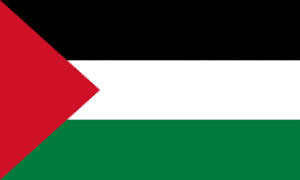
Palestine 

Palestinian Authority leader Mahmoud Abbas threatened at the end of last month to cut ties with Israel, not honor past agreements and stop cooperation related to security if Israeli Prime Minister continues to use Israeli law and go ahead with plans to apply sovereignty to the Jordan Valley. Furthering the disruption between Israel and Palestine, armed Israeli settlers seized almost 350 Palestinian-owned farms in the village of Kisan.
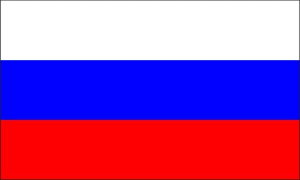
Russia 

An anti-LGBTQ ad by a pro-Kremlin outlet recently sparked outrage on Russian social media and drew attention to a national referendum scheduled for July 1. Among proposed changes, one amendment would let Russian President Putin stay on as president past 2024, when his second consecutive term ends. In relations abroad, Putin has ordered Russia’s foreign and defence ministries to negotiate more facilities and maritime access in Syria, its close ally. U.S. and Russian troops squared off in northeast Syria for several hours, the second tense standoff in two days. Russia has reportedly found an anti-influenza drug to effectively treat COVID-19, and plans on distributing it to hospitals this month. In other news, Putin declared a state of emergency after a Russian power plant spilled 23,000 tons of oil into an Arctic region.
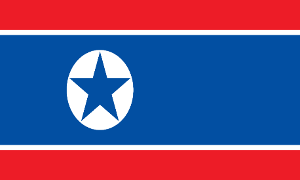
North Korea

500,000 leaflets criticizing Kim Jong Un’s nuclear ambitions were dropped by defectors over the border between North and South Korea. In response, North Korea officials threatened to scrap its military agreement with South Korea and close down a cross-border liaison office. In a rising spat with the U.S., North Korea also lashed out and asserted that Beijing was eclipsing its Washington. Schools in North Korea have reportedly reopened after delays due to COVID-19, although Pyongyang has yet to publicly confirm a single case.
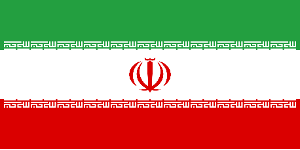
Iran

For the first time since the November 2019 petrol price hike protests, Iranian officials released casualty figures. The head of an Iranian parliamentary committee stated that 230 people were killed during the November protests, six of whom were security officials. These protests, the most serious since the 1979 Islamic Revolution, were in response to the abrupt decision of the Iranian government to increase petrol costs by up to 50% and ration supplies. Meanwhile, Iran’s President pushes forward with a bill that will allow for harsher punishment for “honor killings” following the murder of Romina Ashrafi.
Nicaragua 

Anti-Ortega activists claim the government has been purposely underreporting infection rates and death totals, covering up the impact of the novel coronavirus on the country. The International Federation for Human Rights (FIDH) and the Nicaraguan Centre for Human Rights (CENIDH) report concern over the lack of transparency in the country’s testing, recording presumed virus-related deaths at 20 times higher than the official figure. Dozens of Nicaraguan medical associations urge citizens to follow a voluntary quarantine despite the government’s denial of its need.
Sudan

The UN Security Council extended its current peacekeeping mission in Darfur (UNAMID) for two additional months past October, recognizing the difficulties of exiting the country with COVID-19 measures in place. It further established the United Nations Integrated Transition Assistance Mission in Sudan (UNITAMS) to assist the country’s shift to democratic governance for an initial 12-month period. Sudan has also sworn in a new Minister of Defense, only days after a violent clash between its forces and militias from Ethiopia. The two countries have been locked in a longstanding border dispute. As of June 2, 2020, there are 5,499 cases of COVID-19 in Sudan, including 314 fatalities.
Venezuela

On June 1, Venezuela’s government reached an agreement with the opposition to seek funds and work with the World Health Organization in its fight against the novel coronavirus pandemic. The European Union denounces the late-May approval of Luis Parra, ally of President Nicolas Maduro, as president of the National Assembly in a recent statement, reaffirming their support for opposition leader Juan Guaido.
Bolivia

Bolivia began relaxing its quarantine on June 1 in an effort to bolster its economy, breaking its record daily death total the same day. Deaths rose again June 2 totalling 33 across the country, and health experts warn that the ease of restrictions will bring the peak of the novel coronavirus’ impacts higher and sooner than previously expected. National elections remain delayed due to the virus with interim President Jeanine Áñez in power, though some claim her to be utilising the health crisis as a political power grab.
Weekly Report May 29 2020

Coronavirus

After U.S. President Donald Trump reported that he has been using hydroxychloroquine, an antimalaria drug, to keep him from contracting COVID-19, “prescriptions surged 2,000% in March.” However, scientists have stated that coronavirus patients who take the drug actually have a higher risk of death than those who do not take it. Users have a higher chance of developing heart issues, and the Food and Drug Administration has warned that hydroxychloroquine should not be used because of its “serious side effects, including muscle weakness and heart arrhythmia.”  

United States

Black Lives Matter: After a video of a police officer killing an unarmed African American man surfaced online, Black Lives Matter protesters took to the streets demanding justice for the deceased party. The protests were initially peaceful until police used tear gas to disperse the crowds; there have also been reports of police firing rubber bullets at protesters. The protests have evolved into riots; buildings are being set on fire, including police precincts, and stores are being looted. The riots have ensued for four days and show no signs of slowing down.

 President Donald Trump tweeted about the looting and stated that the military stands with the city; the National Guard has also gotten involved. Trump also tweeted that “when the looting starts, the shooting starts.” Twitter has since flagged the tweet because it violates “policies regarding the glorification of violence.” 

The officer responsible for Floyd’s death, Derek Chauvin, as well as the three other officers at the scene, has been fired. Lawmakers, politicians, and protesters are demanding that Chauvin be arrested and tried for murder. 

The murder of George Floyd comes just weeks after the video of Ahmaud Arbery, another unarmed African American man, was murdered while jogging. The Black Lives Matter movement has gained serious momentum over the past month as a result of more videos of other racist occurrences are being posted online. 

International Relations: U.S. Secretary of State Mike Pompeo announced Wednesday that his government would no longer consider Hong Kong to have “significant autonomy” from China. This likely means that the United States will “end some or all of [its] special trade and economic relations” with Hong Kong. 

China

China is moving forward to tighten its control over Hong Kong; its controversial national security law passed the National People’s Congress Thursday with a vote of 2,878-1. The law will alter Hong Kong’s Basic Law constitution, requiring the territory to follow any measures passed by the NPC. Hong Kong activists say that this undermines the “one country, two systems” promise that was made to them. 

Hong Kong 

Thousands of protesters gathered outside the legislative building on Wednesday, shouting pro-democracy slogans as lawmakers inside debated a bill that will criminalize insulting the Chinese national anthem. Riot police were out in full force, shooting pepper balls into the crowd, demanding that journalists stop recording, and arresting 360 people. 

Myanmar 

The Livelihoods and Food Security Fund (LIFT) is offering financial assistance to the Department of Social Welfare (DSW) so that 441,726 women and elders in the nation’s five most vulnerable areas can receive “an extra one-time payment of 30,000 kyats (US$21.36).” The payment will provide these demographics with funds to “prevent their exclusion” and will ultimately help “communities and the country as a whole.” 

Zimbabwe 

The Zimbabwean government has been “accused of using lockdown to silence reporters” after two journalists were “charged with violating lockdown regulations.” The journalists were interviewing three female opposition officials who were allegedly “abducted, sexually assaulted and tortured by state agents after staging a protest.” The journalists stated that they were granted the right to conduct interviews under Zimbabwean law but were detained anyway. 

Chile

The coronavirus is testing the capacity of Chile’s health care system. President Sebastián Piñera stated that Chile is being pushed to its limit because of “a very large increase in the needs and demand for medical attention.” The government has declared that it will provide a quarter of its citizens with “a planned emergency basic income” that will last for three months.”

Iraq

The Iraqi Counter-Terrorism Service has stated that Mu’taz Numan ‘Abd Nayif Najm al-Jaburi, one of the heads of the Islamic State, was killed in a U.S.-led airstrike in eastern Syria. Jabburi “headed the terrorist group’s foreign operations… [and] was known as the Islamic State’s governor of Iraq.” The United States has been offering a reward for information on Jaburi since last September. 

Libya

Russian military fighter jets were deployed to Libya’s Al Jufra Airfield “where they are expected to back Russian state-sponsored private military contractors.” According to the United States Africa Command’s General Townsend, “Russia has denied the full extent of its involvement in the ongoing Libyan conflict. Well, there is no denying it now.” Russia’s recent actions have been interpreted as an attempt to “tip the scales in its favor in Libya.” 

Syria  

ISIS is reportedly “using the coronavirus to rebuild its terrorism network in Iraq and Syria.” Because of the ban placed on international travel, ISIS has been able to strengthen regionally, expanding “upon the rebuilding effort it began last fall.” Nation-wide lockdowns and the “COVID-19 distraction” have given the terrorist organization the opportunity to carry out violent attacks.

Lebanon 

Lebanese Prime Minister Hassan Diab visited peacekeepers from the United Nations on Wednesday at the south border shared with Israel, “describing the presence of force in the volatile area as a necessity.” Israel has demanded that it be granted “access to all sites and freedom of movement,” but Diab has reiterated that it is absolutely necessary to keep Lebanese armed forces at the border. 

Palestine 

Palestinian officers traveled to the northern occupied West Bank on Monday night to break up a fight between families. Upon their arrival, Israeli soldiers blocked the way and prevented the Palestinian forces from passing. The Israelis “began stopping all vehicles… and checking everyone’s IDs.” After the background checks finished, the Palestinian officers arrived at the scene of the fight after it had de-escalated. One of the injured parties later passed away in the hospital. 

Russia 

Russian health care workers are not receiving the same appraisal as other doctors around the world. Instead, they say that “they face fear, mistrust — and even open hostility.” General mistrust of health care professionals has permeated throughout the nation, reflecting a “broader mistrust of the state.” 

North Korea

A United Nations-led investigation has found that both North and South Korea have “violated the armistice that ended the 1950-53 Korean War” after a gunfire exchange took place at the Demilitarized Zone (DMZ) on May 3rd. While both sides are guilty of breaching the armistice, North Korea was the country that initiated the gunfire and shot a South Korean soldier. 

Iran

Lawmakers have appointed the new speaker of Parliament. The speaker, Mohammad Baqer Qalibaf, is a former police chief, the former mayor of Tehran, and a former commander in the Islamic Revolutionary Guard Corps. 

Nicaragua 

The Pan-American Health Organization, a regional office of the World Health Organization, has called upon Nicaragua’s government to take massive steps to control the stead of COVID-19. “The protection of life and health cannot wait,” a representative said. President Ortega’s government has reported relatively few cases, but there are growing worries that this is not true. With no social distancing restrictions in place, schools remain open and large gatherings are being held. 

Sudan

Yasser Abbas, the Sudanese Minister of Irrigation and Water Resources, met with Egyptian Minister Mohamed Abdel-Ati and Ethiopian Minister Seleshi Bekele on Monday “to discuss arrangements for the resumption of negotiations on the Grand Ethiopian Renaissance Dam (GERD).” Negotiations regarding the construction of the dam have been taking place for several months, as the dam will heavily impact Egypt’s water supply. 

Venezuela

The Venezuelan navy has escorted four Iranian fuel tankers into its waters “through its exclusive economic zone.” The United States has spoken out against the shipments, saying that they are “a distraction from problems facing President Nicolas Maduro.” 

Weekly Report May 22 2020

Coronavirus

Global attention has shifted towards finding a COVID-19 vaccine, the key step in allowing many countries to return to normal. One vaccine that China is developing passed the crucial test of being able to neutralize antibodies in test patients. However, other health officials remain skeptical that the very nature of the virus is not suited to vaccines.

U.S. President Donald Trump said that he was taking hydroxychloroquine, an anti-malarial drug, to combat the disease and encouraged others to do so as well. However, a recent study shows that when administered to patients, it causes more deaths.

China

A proposed Chinese law went before Parliament today in an attempt to limit Hong Kong’s opposition activity. The law has been set into motion. Under the title Establishing and Improving the Legal System and Enforcement Mechanism of Hong Kong, the bill could “ban sedition, secession, and subversion.” Already, the international backlash has been strong, as China is sidestepping Hong Kong’s own lawmaking body to limit their freedom of protest.

Hong Kong

Lawmakers in Hong Kong are mourning the passing of the new Chinese security law, as this most likely marks the “end of [the] homeland.” The law allows China to “sidestep the territory’s own legislative body to crack down on activity Beijing considers subversive.” Carrie Lam, Hong Kong’s Chief Executive, has expressed her approval of the law because of the increase in violence over the past year. She believes that the law ensures the safety of citizens. 

Iran

After years of heightened tensions, Iran’s relationship with the United States is seemingly on the mend. Iran has chosen to support Iraq’s new pro-American prime minister and has agreed to stop rocket attacks on U.S. troops. Experts say the turn towards détente is highly strategic; heightened tensions will only help American President Donald Trump in his reelection campaign this November.

However, the differences between the two nations are stark. In a statement Wednesday, the Supreme Leader said that Iran will support “any nation or group that fights Israel.” The same day, the Trump administration accused Iran’s interior minister of committing human rights abuses during last November’s protests.

Myanmar

Myanmar’s army has been accused of arson after “around 200 houses in Lekka Village, Rakhine State were burnt down.” The military stated that the Arakan Army (AA) had initiated gunfire towards the military and that they shot back – they also blamed the fire on AA. Villagers have said that the remains of their village look nothing like the aftermath of a fight and that it instead looks like houses were intentionally set ablaze. 

Chile

Citizens of the poverty-stricken town El Bosque were protesting shortages of necessities; they “were seen throwing stones and setting fires” around neighborhoods. Police used tear gas and a water cannon to disband the demonstrators. The government released a statement regarding the food supply with President Piñera even promising to “provide 2.5 million baskets of food and other essentials over the next week or so.” 

Libya

The Libyan government has confirmed via Twitter that it “has captured the strategic al-Watiya airbase from fighters loyal to renegade military commander Khalifa Haftar.” Libyan troops have been trying to push allies of Haftar’s forces out of western Libya for over a month. The airbase has been deemed “the last stronghold for [Haftar’s] forces in western Libya,” making this a huge success for the internationally-recognized Government of National Accord (GNA). 

Lebanon 

Lebanon’s financial crisis reached a new low this week after the country’s banking association rejected the government’s five-year rescue plan, stalling any form of relief from international donors. Additionally, courts charged a senior central bank official with “manipulation of the exchange rate and money laundering.” Mazen Hamdan, the head of cash operations, is the most senior official to be charged in an ongoing overall of the bank. 

Palestine 

President Mahmoud Abbas has stated that his administration, himself included, “consider all agreements signed with Israel and the United States null and void, after Israel declared it would annex parts of the occupied West Bank.” President Abbas has threatened to withdraw from the agreements in the past, specifically after American President Donald Trump shared his Middle East plan, “which included the possibility of annexation.” Abbas has said that he is still willing to negotiate with Israel regarding “a two-state solution.” 

Bolivia 

Bolivia’s health minister was arrested for “ventilator corruption” on Wednesday. The ventilators are extremely overpriced – 170 ventilators cost $5 million – and do “not meet the requirements for use in intensive care.” 

Russia 

Moscow received fifty ventilators from America this past Thursday and is expecting another shipment next week. Russia shipped ventilators to New York in April, but “they were never used and are unlikely to be after the same model was implicated in two fires in Russian hospitals.” 

United States   

Donald Trump has stated that the United States is planning to formally withdraw from the Open Skies Treaty in six months if Russia does not comply. The treaty, signed into effect in 1992 by 35 countries, allows “reconnaissance flights over… [Russian] territory.” Russia has recently banned flights over the region between Poland and Lithuania, “as well as over regions where it conducts major military exercises.” 

Zimbabwe 

President Emmerson Mnangagwa has decided to “indefinitely” extend the government-mandated lockdown in an attempt to slow the spread of COVID-19. Street markets will close, leaving millions of Zimbabweans without a primary income source. Manufacturers and businesses, on the other hand, will remain open and even extend their hours. In his address to the nation, President Mnangagwa declared that schools will open in phases, but when these phases will commence remains unknown.

Nicaragua 

Nicaragua has been having “express burials,” leading international officials and human rights advocates to believe that the reported number of COVID-19 cases is much lower than what it should be. The government has only confirmed 25 cases and eight deaths but is ordering “‘express burials’ to hide the true number of infections.” 

Iraq

A rocket was fired from an eastern district of Baghdad, hitting an empty house in the Green Zone near the U.S. embassy. The blast “triggered security sirens at the US embassy compound,” and Iraq was slow to claim responsibility. 

Sudan

The United States Supreme Court has ruled that Sudan must “pay punitive damages to some of the victims of the 1998 embassy bombings in Kenya and Tanzania carried out by al-Qaeda.” Sudan is currently trying to be removed from the U.S.’s state sponsors of terrorism list; this ruling may affect their chances of removal. 

Venezuela

Venezuela has struck a trade deal with Iran as both countries have suffered under U.S. sanctions. At the center of the deal is five oil tankers carrying at least $45.5 million worth of gasoline that will sail from Iran to Venezuela. While Venezuela was once a major oil producer, days-long lines at gas stations have become commonplace in recent years. 

Syria  

Hezbollah: Lebanon’s Hezbollah has significantly increased its influence over the Syrian Arab Army (SAA); it is reportedly “preparing the Syrian Arab Army’s 1st Corps for a future war against Israel.” 

Travel Ban: The government has imposed a travel ban on President Bashar al-Bassad’s cousin, Rami Makhlouf, “a Syrian tycoon.” Makhlouf the head of the largest mobile operator in Syria that supposedly owes the government approximately $185 million. 

North Korea  

The coronavirus has been wreaking havoc upon the world since January, but North Korea has yet to confirm any cases. Many officials are skeptical of this claim, and more questions have arisen as a result of Kim Jong-un only making one public appearance over the past five weeks. The nation has begun to open up slowly, signaling an end to the government-mandated lockdown. 

Weekly Report May 15 2020

Coronavirus

Rick Bright, the American coronavirus whistle-blower, addressed Congress and openly criticized the government’s slow response to COVID-19. Bright stated that the United States is lacking a vaccine plan and warned that the “US could face [the] ‘darkest winter in modern history’ if leaders don’t act quickly.” He received emails in January concerning the lack of N95 masks – one of them said that “We’re in deep s***. The world is. And we need to act.” Bright believes that he was removed from a coveted scientific post because he shared all of this information with Trump’s administration and was issuing warnings about the pandemic.

Hong Kong 

A violent confrontation between more than 200 pro-democracy protesters and Hong Kong authorities this past Sunday. The protest originated in a shopping mall but quickly overflowed on to the streets. Several hundred riot police arrived on the scene and violently dispersed the crowd. Bystanders took videos that “showed protesters being subdued on the ground, scuffles and people bleeding.” 

China

Outbreak: Five new cases of the coronavirus have been confirmed in Wuhan, creating the first small cluster “to emerge since the end of the strict lockdown.” A few of the newest cases were classified as asymptomatic, which China does not include in its reports of confirmed cases. 

Military: As the world continues to battle the novel coronavirus, “China has intensified a campaign of military and diplomatic pressure against Taiwan.” Chinese forces have reportedly been occupying the “median line of the Taiwan Strait” and flying over the border with fighter aircraft. 

Syria 

Both the United Nations and the World Health Organization (WHO) have partnered with the Syrian regime and have halted offering support and aid to Eastern Syria, home of millions of “the poorest and most vulnerable people” who “are recovering from ISIS atrocities.” Turkey has cut off water supplies to the area, and Russia has openly decided to support the Syrian regime. These actions have “indicated how dictatorships and regimes that abuse human rights come first at controlling UN and international aid, enabling them to use it only for charities linked to them.” 

Lebanon 

Economy: As the value of Lebanese currency continues to plummet at exponential rates, authorities are arresting “scores of money changers in an attempt to stabilize” the exchange rate. These money changers are believed to be manipulating the value of the dollar “for financial gain.” They have also been accused of illegally trading money. 

COVID-19: Lebanon has been quite successful in containing the virus in the past; it “managed to flatten the number of new cases into the low single digits” last month. However, more than 100 coronavirus cases have been confirmed in the last four days, resulting in a nation-wide lockdown starting this Thursday. The only businesses that will remain open during this four-day lockdown are grocery stores and “agricultural and industrial sectors.”

United States

Ahmaud Arbery, an African American man, was murdered while going on a run through a Georgia neighborhood two months ago. However, his assailants were not arrested until this past week due to severe backlash online. A video surfaced of Arbery jogging and being gunned down by two white men who claimed that he looked like a suspect in a burglary case. To show solidarity with Arbery’s family and the Black Lives Matter movement, demonstrators put on masks and protested against the lack of justice and other “supporters also ran 2.23 miles to honor” him on what would have been his 26th birthday. 

Palestine 

A Palestinian teenager was shot and killed by Israeli forces who were “raiding a refugee camp in the illegally occupied West Bank.” The Israeli military had planned on making arrests at the camp and has stated that its troops were “met with a ‘violent riot’ in which shots were heard and a soldier was lightly wounded.” Four other Palestinian minors were shot during the confrontation. 

Myanmar

After a video of prisoner abuse surfaced on social media on Sunday, “Myanmar’s military has conceded its troops abused prisoners in Rakhine state.” The army has been accused of physically abusing prisoners in the past, but this is the first concrete evidence that supports this accusation. 

Bolivia 

A riot broke out in a prison on Monday where three inmates have died from the coronavirus. Prisoners were able to stage “a massive protest” but were later broken up by police before the demonstration turned violent. Inmates who were in close proximity to the three detainees who died from the novel virus have been isolated. 

Russia 

President Vladimir Putin has eased stay at home policies despite the fact that the number of covid cases is steadily rising; Russia now has “the second highest toll in the world after the US.” Putin’s response to the coronavirus has resulted in a decrease in his approval rating; the virus has posed “the most serious challenge to Putin as a national leader in the 20 years he has been in power, and he is failing it.” A fire broke out in a hospital dedicated to treating coronavirus patients, killing five people. The incident has only increased the pressure that has been placed on the government and is “further testing… [its] response to the Covid-19 pandemic.” 

Nicaragua 

In order to slow the spread of COVID-19 in prisons, Nicaragua has “released more than 2,800 inmates to house arrest.” None of the detainees are political prisoners; most of them were arrested during the 2018 protests against Daniel Ortega. The government has yet to impose any sort of strict measures to contain the virus, which has resulted in the overflow of patients in hospitals. While the reported number of coronavirus cases is only 16, over packed hospitals have caused officials to cast doubt upon these official reports. 

Iraq

The suicide rate in the Yazidi community has skyrocketed as a result of the Islamic State (IS) attacked the area in 2014. Thousands of men were murdered and thousands of women and children were sold as slaves. The United Nations has described these actions as an “ongoing genocide’ against the Yazidi minority,” but major rights groups and international organizations have yet to offer aid. 

Iran

19 soldiers were killed and 15 more were injured after a naval exercise went awry on Sunday. An Iranian ship “struck another Iranian vessel,” making this the second time this year that Iran has mistakenly fired a missile at its own forces. 

Sudan

Sudan has refrained from signing an agreement regarding the filling of a controversial dam that would negatively impact the environment and the nation’s water supply. Ethiopia issued the proposal and is “calling its neighbor to resume the stalled United States-brokered negotiations on the issue.” Egpyt would also be negatively affected by the mega-dam and is also included in the negotiations between Sudan and Ethiopia. 

Libya

A hospital in Tripoli fell victim to a missile attack supposedly from Khalifa Haftar’s forces on Thursday; at least 14 people sustained injuries. 

North Korea

North Korea has issued a warning to South Korea for its “‘reckless’ military drills near their disputed sea boundary.” South Korea has defended its drills, stating that they have not broken any preexisting agreements between the two nations. 

Zimbabwe 

The Zimbabwean government has extended the nation-wide lockdown for another two weeks and has also “made the wearing of masks compulsory in public” in order to decrease the chances of spreading the coronavirus. The virus has wreaked havoc upon the nation, worsening both the economic and food crises. 

Chile

The coronavirus has resurged in Chile’s capital, Santiago, causing the city to go into total lockdown. Santiago saw a 60% increase in cases over the course of just one day. 

Weekly Report May 8 2020

Coronavirus

In a recent discovery, researchers have found that the coronavirus “can persist in men’s semen even after they have begun to recover.” Professionals have yet to confirm whether or not the virus can be transmitted sexually, but studies will be taking place in the near future. There are also plans to further research fetal development and whether or not the virus can cause birth defects. 

Venezuela 

Coup: Two American veterans were arrested on Monday after a failed “raid purportedly aimed at capturing the socialist leader” President Nicolás Maduro. Venezuelan politicians are blaming the United States and Colombia for the raid, saying that both governments were somehow involved in the “defeated raid.” Over 300 people were involved, and several people were killed by security forces. One of the American detainees has already claimed responsibility for the failed coup. 

Riot: At least 40 people died after a prison riot erupted in central Venezuela on May 1st. The riot originally began as a peaceful protest led by inmates at Llanos Penitentiary Center who were asking that their visiting family members be allowed to bring them food. Human rights groups have been concerned with violence and overcrowding at Venezuelan prisons.  

Iraq

ISIS: On Sunday night, ISIS targeted several different Iraqi areas hitting tribal Popular Mobilization Forces (PMF) and a local administrator, resulting in the death of three men. The PMF “organized a unit alongside the Iraqi army and police to raid the site resulting in four deaths and five injuries” following the attack. As a result of ISIS’s ambush, Iraq’s government declared that a military operation would be going after the Islamic State operatives who currently reside in western Iraq. 

Prime Minister: Former head of the Iraqi National Intelligence Service, Mustafa al-Kadhimi, was sworn in as the new prime minister, ending five months of “deadlock” in Iraq. Al-Kadhimi is “a political independent and a pragmatist” who has stated that “his government ‘will provide solutions, not add to the crises’ facing Iraq.” 

Iran

Despite the rising tensions between Iran and the United States, the two countries are in the midst of negotiating a prisoner release. The American detainee, veteran Michael R. White, has been in Iran for two years. The Iranian prisoner’s identity has yet to be released. Currently, Iran supposedly holds at least four Americans and claims that “about two dozen Iranians are held by the United States.” A conclusion has yet to be reached regarding the prisoner exchange. 

Lebanon 

The looming threat of famine has driven Lebanese citizens to defy the government-mandated lockdown. The economic collapse has made necessities unaffordable, lessening the frequency of food donations. Charities are also losing money. Protesters have been shot as the poverty rates continuously skyrocket. 

Libya 

On Monday, the Libyan military targeted seven oil tankers belonging to militias that openly support Khalifa Haftar. The tankers were supposed to meet Haftar’s militia in Tarhuna, “a major focal point for Haftar’s militia in their onslaught against Tripoli.” 

Myanmar

Myanmar’s police have used the coronavirus as an opportunity to increase “its attacks on ethnic minorities… killing dozens of civilians in shellings and airstrikes.” The military has yet to deny these claims and has instead stated that the lives lost are simply “collateral damage.” 

North Korea 

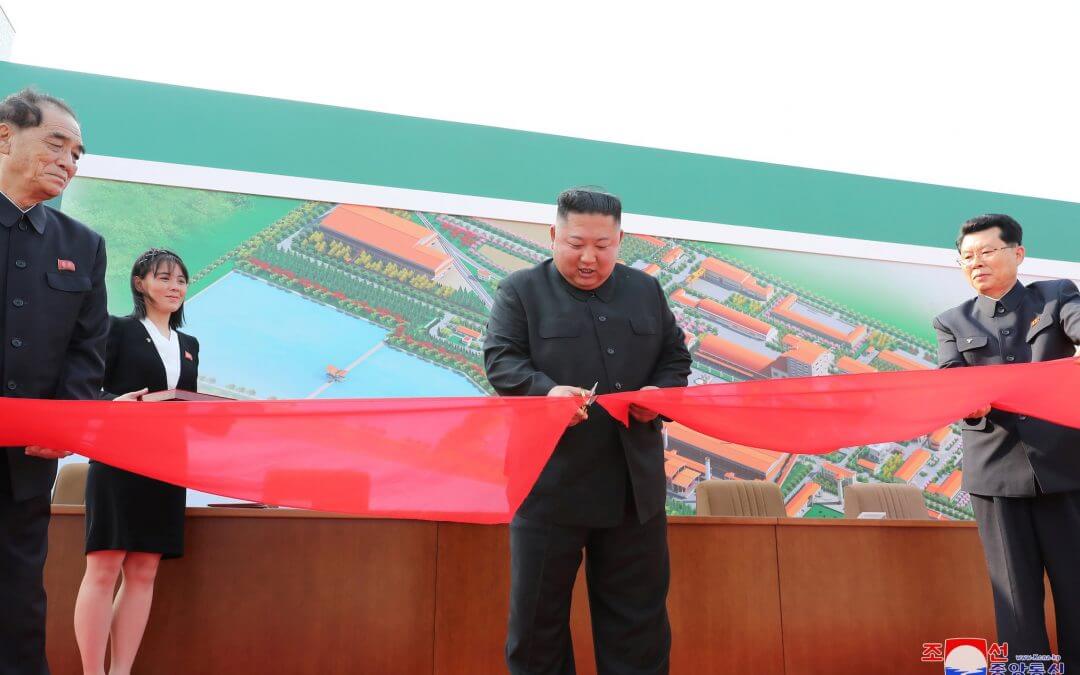
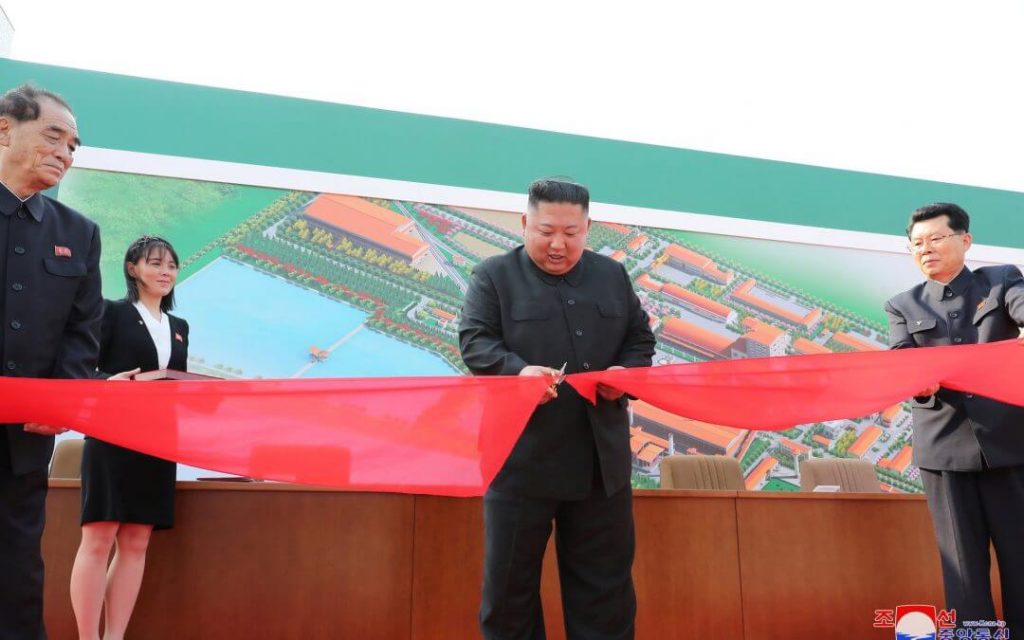
Kim Jong-un: Kim Jong-un has returned to the public eye after about a month of remaining out of the media’s view. News outlets had originally claimed that the leader was on his deathbed, but such claims have been disproven after Kim Jong-un was pictured cutting the ribbon at a fertilizer company earlier this week. 

DMZ: North Korean guards at the Demilitarized Zone (DMZ) exchanged gunfire with South Korea on Sunday. Mike Pompeo, the UnitedStates’s Secretary of State, said “that initial reports indicated the gunfire from the North was ‘accidental.’” 

Palestine 

On May 4th, Facebook deactivated 52 profiles that belonged to Palestinian journalists and activists, claiming that the content of the pages did not follow its “Community Standards.” Facebook failed to “provide any specific reason” and said that it has “already reviewed this decision and it can’t be reversed.” Censorship on social media platforms in Palestine is no new occurrence – Palestinian activists have experienced many cases of censorship from the Israeli government in the past. As the fight for Palestine’s statehood trudges on, it can be expected that cases similar to these deactivations will occur. 

Russia 

Over the past two weeks, three health care professionals treating coronavirus patients have fallen out of hospital windows; two have died and one is still being treated. One of the medical professionals, Alexander Shulepov, is an ambulance doctor who was treated for COVID-19 but was also being forced to work despite his diagnosis. His colleague, Alexander Kosyakin, had uploaded a video of himself critiquing “hospital administration for protective gear shortages… and was questioned by the police for allegedly spreading fake news.” Kosyakin confirmed Shulepov’s story to news outlets, resulting in the hospital releasing a statement contradicting Shulepov’s experience. Shulepov took back his original story and the head doctor of the hospital claimed that his staff has an adequate amount of protective equipment. 

Sudan

Violence between Arabs and non-Arabs broke out in Darfur on Wednesday, leaving more than 30 people dead and a dozen injured. The Sudanese transitional government has attempted to resolve riots and rebellions such as this one but has failed to do so, as was apparent on Wednesday. The clashes between Arabs and non-Arabs have been present since 2003 when the “Arab-dominated Sudanese government” was accused of discrimination by “ethnic Africans.” 

Syria 

An unknown gunman killed nine Syrian police officers in the province of Daraa, where an uprising against the government began in March 2011. The Interior Ministry stated that police officers were killed “after a terrorist group attacked them as they were performing their job,” using the government’s term for rebels and fighters.” For now, no one has claimed responsibility for the attack.

China

China is one step closer to building a space station after a “large carrier rocket made its first successful flight Tuesday.” The rocket has spent ten years in development, and with the threat of coronavirus slowly decreasing in the nation, more attention has been placed in fields other than medicine. Currently, China is not only planning on launching its own permanent space station by 2022 but also on sending a person to the moon in the 2030s. 

Zimbabwe  

The opposition party has boycotted parliament to “protest against the dismissal of four of its legislators at the behest of a faction opposed to the party leadership.” It is likely that the dismissal of the legislators could “trigger a by-election,” but the coronavirus has made it difficult to predict what is next for the Zimbabwean government.

Nicaragua 

Nicaragua has been very slow to respond to the spread of the coronavirus, endangering not only its population but also that of its neighbors. The government has claimed that quarantine measures are “alarmist and extremist,” and has yet to discourage large social gatherings. Schools have remained opened, and the government has started to clean them weekly. 

Hong Kong

Hong Kong pro-democracy protesters are planning a march for this upcoming Sunday, resuming a campaign that began a year ago. After several prominent pro-democracy activists were arrested last month, the movement has gained serious momentum. 

China’s Hong Kong Affairs Office said that the Hong Kong protests are a “political virus” and warned that the city will never be calm unless “black-clad violent protesters” are removed. Although protesters do not expect to get permission for the rally, many young people have planned on attending the rally because social distancing controls have relaxed.

United States

Many states have begun to reopen despite the fact that over 76,000 people have died from the coronavirus. Small businesses are being forced to close, and 33 million people have filed for unemployment. As people begin to travel between states, more cases are being reported. Recently, researchers have discovered that the “outbreak in New York City became the primary source of infections around the United States.” 

Weekly Report May 1 2020

Coronavirus

More information about remdesivir, a possible COVID-19 treatment that we have covered in the past, has surfaced this past week. The drug will most likely “become the ‘standard of care’ for all infected patients,” but it will not prevent death nor will it be “widely accessible to the public.” Despite these downfalls, the research has provided health care professionals with hope “that a drug can indeed have an impact on COVID-19.” 

Hong Kong 

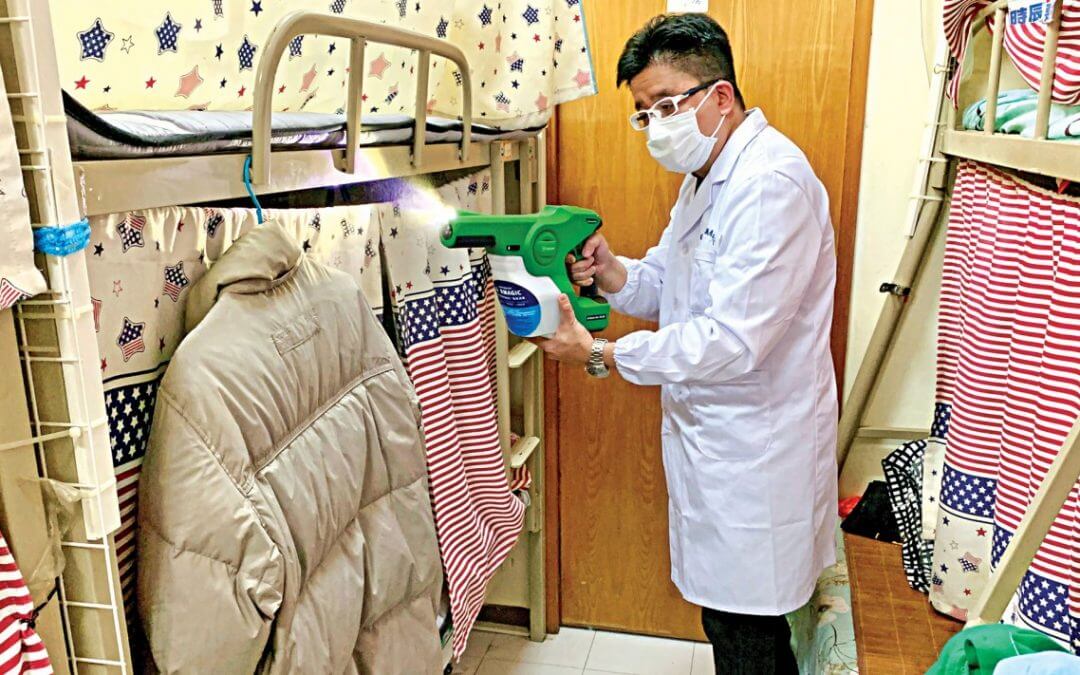
Researchers believe that they have “developed an antiviral coating which could provide 90 days of ‘significant’ protection against bacteria and viruses such as the one causing COVID-19.” The coating has been tested and developed over the past ten years and will be available in stores across Honk Kong next month. 

Sudan

Land Dispute: The head of Sudan’s Sovereign Council acknowledged for the first time that Ethiopian forces are in control of Sudanese territory on the border between the two countries. The agricultural lands that separate Sudan from Ethiopia have been disputed for many years, and Sudanese troops were deployed to defend it earlier this year. 

Human Rights: The Sudanese government has decided to criminalize female genital mutilation, a medical practice that has affected 65% of all Sudanese women in 2018. In the past, Sudan has been considered “one of the worst countries for women’s rights.” The Sudanese Ministry of Foreign Affairs has asked that all community groups and civil society organizations add to the effort to put an end to female genital mutilation after a “special article” is “added to the country’s criminal law.” 

North Korea

As rumors of leader Kim Jong-Un’s health have disseminated throughout the world, South Korea released a statement saying that he is “alive and well.” The rumors began to appear after Kim Jong-Un did not attend a celebration for his great-grandfather’s birthday on April 15th; it was said that “he may have died” or that he was “in a vegetative state following cardiovascular surgery earlier this month.” 

Syria 

Both western and southern Syria were targeted by “alleged” Israeli airstrikes on Thursday night and Friday. Syrian media outlets have stated that “the targets belonged to Hezbollah.” Several civilians were injured near a military site; ten people are currently being treated in hospitals.  

Libya

Power Shift: Khalifa Haftar, the eastern-based military leader, has stated that “his Libyan National Army (LNA) was accepting a ‘popular mandate’ to rule the country.” He has yet to specify what exact changes will come with this shift of power, but his statement directly brushed “aside the civilian authorities that nominally govern eastern Libya.” 

Ceasefire: On Thursday, Khalifa Haftar announced that “his forces will cease hostilities during… Ramadan.” However, shortly after the announcement was made, the sounds of explosions erupted from Tripoli. An unnamed source from the United Nations-recognized Government of National Accord (GNA) does not believe that Haftar’s troops will “adhere to the truce.” 

Chile 

Despite the fact that that World Health Organization (WHO) has claimed that “there is ‘no evidence’ that people who contract coronavirus are immune from being infected again,” the Chilean government has decided to distribute certificates to those who have recovered from COVID-19. Chilean Deputy Health Minister Paula Daza stated that “the documents would be given to people to allow them to return to work.” However, WHO has argued that these “immunity certificates” could do more harm than good, as recipients are most likely going to ignore public health guidelines. 

Iran

Over 700 Iranians have died after using methanol to cure the coronavirus. There were only 66 deaths from alcohol poisoning last year, but from February 20th to April 7th in 2020, more than 720 Iranians have fallen victim to alcohol poisoning. Those who have ingested methanol but have not died have lost eyesight and are experiencing severe eye damage.  

Palestine 

On Thursday, chief prosecutor of the International Criminal Court (ICC), Fatou Bensouda, “reiterated her position that Palestine is a state for the purposes of transferring criminal jurisdiction over its territory to The Hague.” Her statement further clarified that the ICC has jurisdiction to investigate ongoing war crimes in the West Bank, the Gaza Strip, and East Jerusalem. Israel has denounced this decision, claiming that Bensouda has disregarded “the opinions of many of the world’s leading experts on international law points” so she can “harm the state of Israel and tarnish its name.” 

United States

Several states have decided to slowly open businesses, but recent data from the Institute for Health Metrics and Evaluation (IHME) shows that the coronavirus could cause more than 70,000 deaths, which is “an increase of over 6,000 deaths from its latest forecast.”  COVID-19 could claim more than 74,000 lives in the first wave alone, and this new data estimates that the highest projection is now greater than 130,000 deaths. 

Nicaragua 

Nicaragua is one of a few countries that has continued to allow sporting events to take place. This past Saturday, 16 boxers competed in matches because they “have to eat, they can’t stay shut up in their house,” according to Rosendo Álvarez, a former world champion. Nicaragua has only reported 11 cases of the virus and three deaths. Before competing, the boxers underwent checkups but were not tested for COVID-19. 

Lebanon 

As the government slowly eases lockdown measures, multiple protests have taken place throughout the country. On Saturday, protesters “lobbed an explosive device at a bank.” On Monday, demonstrators blocked a major highway north of Beirut with burning tires after they were “forcibly removed” by Lebanese troops. The army has stated that “it respects the people’s right to protest as long as the protesters don’t close roads or attack public and private property.” 

Russia 

Nurses in Moscow have “quit en masse” because of the “poor working conditions and low wages.” Health care professionals in Moscow have limited access to “clean protective gear [and] food and adequate accommodations.” Russia has over 87,000 confirmed covid cases and half of those are in Moscow. 

China

On Monday, officials announced that there are no more hospitalized COVID-19 patients in Wuhan. More than 80% of coronavirus deaths in China occurred in Wuhan. 

Zimbabwe 

Zimbabwe’s opposition forces are facing new challenges after last month’s Supreme Court ruling that Nelson Chamisa’s leadership over the Movement for Democratic Change was illegitimate. COVID-19 restrictions have prevented the party from having any large gatherings. However, Chamisa has remained silent since the decision, leaving the party in disarray over who their leader should be.

Myanmar

Despite the fact that Myanmar is currently under investigation by the International Court of Justice for the Rohingya Muslim Genocide, the military has continued to openly discriminate against minorities, and it has been accused of  “carrying out ‘war crimes’” against said groups.  The government has been abusing power since COVID-19 surged throughout the country and is once again committing “crimes against humanity,” according to the United Nations’ reporter on human rights in Myanmar. 

Iraq

Iraq’s medical infrastructure is heavily unprepared for the coronavirus; there are “only 0.8 doctors and 1.4 beds per thousand people.” The country has also been ruled by a transition government since December and has yet to form a new, more stable government structure. 

Venezuela

As the food shortages worsen during the COVID-19 outbreak, the government has “set new price controls for more than two dozen products.” Civil unrest has led to protests and riots throughout the nation, especially in the countryside. So far, more than 500 protests have taken place in the past month; some have resulted in “looting and violence.” 

Weekly Report 24 April 2020

Coronavirus
More and more protests are spreading globally against the government-mandated lockdowns. Demonstrators have marched against alleged government overreactions, violations of civil liberties, damages to local economies and consequent unemployment, and police violence used to enforce lockdowns. In light of anti-quarantine demonstrations in the United States, Facebook is banning events and propaganda that defy the government’s social distancing policies. Interestingly enough, more “physically distant” protests are taking place on a global scale after last week’s protest in Warsaw; thousands of Israeli citizens demonstrated their dissent against the Netanyahu-Gantz coalition in Tel Aviv.

Hong Kong
Hong Kong police arrested 15 of the city’s highest-profile political, legal, and media opposition figures related to the pro-democracy protests in 2019. Among the detained was Martin Lee (81) the founder of the Democratic party. The 15 were accused of joining three unapproved protests on August 18th, October 1st, and October 20th last year.

The arrests came just after China’s top representative office declared that it was “not bound by Hong Kong’s constitutional restrictions that bar Chinese government from interfering in local affairs.”  This is the biggest crackdown on pro-democracy protests since June last year.

China
Li Zehua, a Chinese journalist who disappeared almost 2 months ago after posting videos from Wuhan during the pandemic, has reappeared. He claims that he was imprisoned by the police and forcibly quarantined. Li Zehua was one of three reporters who had been reporting from the front lines in Wuhan during some of the worst weeks of the pandemic. He was last seen on the 26th of February after posting a video in which he was chased by a white SUV in an hour-long live stream that ended when several people from public security entered his apartment.

Syria
A landmark trial in Germany against two former Syrian intelligence officials (Anwar R. and Eyad A.) accused of tutoring prisoners in Syrian prisons began on Thursday. This is the first trial for crimes against humanity by Syrian President Bashar al-Assad’s regime.

German prosecutors accused Anwar R., who was a head of the investigations section at the General Intelligence Directorate’s al-Khatib detention facility in Damascus, of torture of “at least 4,000 people” during interrogations at the facility. He is also accused of the murder of 58 people, as well as rape and aggravated sexual assault. Eyad A. was a lower-ranking official at the same intelligence agency, and he is accused of involvement in crimes against humanity. Prosecutors allege that he detained protesters in 2011 and delivered them to the al-Khatib detention facility, where they were later tortured.

Chile
Despite the coronavirus pandemic, anti-government protests were held in Santiago. Health officials have banned gatherings of more than 50 people; it is not clear how many people attended the protest. Photos show that protesters are keeping their distance from each other. Chilean police broke up the protests and arrested 14 people claiming they were violating social distancing laws.

Iran
Iran has begun its soft opening after the “government lifted a ban on inter-city travel and ended a closure of businesses.” Malls and bazaars opened on Monday even though health officials have warned the public of a possible resurgence of the coronavirus. The government, trying to find a balance between “protecting public health and shielding the economy,” has prolonged the return dates of students to schools and universities. It has also “banned cultural, religious and sports gatherings.”

Palestine
Rates of domestic violence have spiked all around the world since government-mandated lockdowns began, especially in Palestine. Thus far, “at least five women have been killed at the hands of their abusers” since the lockdown began. Activists have been “banging pots and pans and waving homemade banners… [expressing] their solidarity with women enduring various forms of domestic violence.”

United States
In a 158-page report released Tuesday, a Republican-led Senate review stated that “American intelligence officials’ determination that Russia interfered in the 2016 presidential election to assist Donald J. Trump’s candidacy was fundamentally sound and untainted by politics.” Chairman of the Intelligence Committee, Republican Senator Richard M. Burr, has stated that “Russia had continued efforts to interfere in American politics… [and that] the warnings of three years ago still must be heeded.”

Nicaragua
Although the coronavirus has been confirmed in Nicaragua, all life activities are taking place quite normally – such as soccer matches, food festivals, and beauty pageants. The government of Nicaragua said that there are only three active cases and one death attributed to COVID-19, but John Hopkins University said that there are nine cases and two deaths.

Dora Maria Tellez, President Ortega’s opponent, said that there is no transparency of information and that “the Health Ministry’s webpage isn’t updated, it doesn’t have the number of tests run, how many are positive, how many negative.” Recall that Ortega dubbed the pandemic as a sign from God.

Lebanon
Civil unrest is continuing to rise as the coronavirus brings “hardships unseen in Lebanon even during the bitter days of its 15-year civil conflict that ended in 1990.” The economy has plummeted, forcing some citizens to “seek aid’ – a task they had never resorted to in the past. However, only “a fraction of those in need qualify for government assistance.” Millions of people are starving; the poverty rate has skyrocketed.

Russia
Russia and the United States have both confirmed that “a Russian fighter aircraft approached a US Navy aircraft over the Mediterranean Sea Sunday.” The U.S. Navy reported that the aircraft was flying “in an unsafe and unprofessional manner.” Russian military officials stated that the “aircraft took off from Syria’s Hmeimim airbase to identify a target approaching Russian military facilities in Syria.

Zimbabwe
Zimbabwe’s government has cut back the mandatory quarantine period for possible coronavirus cases by one-half because they lack the resources needed to take care of patients in isolation for the two-week period recommended by the World Health Organization. Health Minister Obediah Moyo said that if people are “found to be positive they will be sent to an isolation center. And if they are found to be negative they will be released. It decongests the facilities.”

Sudan
Sudanese Prime Minister Abdalla Hamdok has warned that the coronavirus will pose a serious threat to citizens as the number of covid patients continues to grow exponentially. The Ministry of Health has issued a warning that “catastrophic conditions could lead to the collapse of the entire health sector.”

Libya
The Lybian Government of National Accord (GNA) Minister Fathi Bashagha announced on Wednesday that members of Russian private military contractor Wagner, fighting on the side of general Khalifa Haftar, used nerve gas in Tripoli. Wagner is an extremely controversial military contractor; it is owned by businessman Yevgeny Prigozhin, who is close to Russian President Vladimir Putin.

Myanmar
As fears of prisoners’ vulnerability to the coronavirus disseminate through the country, the government is releasing Rohingya Muslims and sending them to Rakhine state. They will “live under tight movement restrictions and in conditions Amnesty International has condemned as ‘apartheid’.” This is the country’s largest prisoner release in several years.

Iraq
At least one person died after being shot in Baghdad a few hours after the partial easing of coronavirus containment measures. Even before the imposition of a national curfew, Iraq saw a large number of protests calling for a change in the country’s political system and the implementation of electoral and economic reforms.

Venezuela
Allies of bitter rivals President Nicolas Maduro and opposition leader Juan Guaido have engaged in secret talks over the handling of the coronavirus. The two sides have come together for the first time to discuss hyperinflation, growing fuel shortages, and the future of the country.

North Korea
North Korea has finally confirmed that it does, in fact, have coronavirus patients despite Kim Jong-Un’s many statements saying the virus was not present in the country. Officials told citizens those who have been affected by the virus “were confined to only three areas of the country: Pyongyang, as well as the South Hwanghae province and North Hamgyong province.”

Weekly Report 17 April 2020

Coronavirus
An American hospital in Chicago has been issuing Gilead Sciences’ antiviral medicine remdesivir to coronavirus patients, and the results are promising. Patients who were issued the drug saw “rapid recoveries in fever and respiratory symptoms” and “nearly all patients were discharged in less than a week.” Doctors and researchers are going to run more clinical trials in hopes that the drug will become the most efficient way to treat covid patients.

Iran
Coronavirus: Iran’s Parliament has stated that the reported death toll is “actually at least double that, as officials have not been counting community deaths.” The virus has reportedly claimed the lives of more than 4,700 Iranians. The number of cases is supposedly “eight to 10 times” higher than what has been reported, meaning that there are approximately 700,000 cases in Iran as opposed to 76,389.

Disinformation: The pro-Iranian group dubbed the International Union of Virtual Media (IUVM) has been spreading conspiracy theories on social media regarding the origins of the coronavirus. IUVM has openly blamed the United States for not only creating the virus but also for spreading it to “enemies” like Iran and China. The group has only reached about 5,000 people on social media thus far.

China
New reports are claiming that “China’s leaders allegedly failed to notify the public about the looming crisis during a critical six-day period.” Leaked documents have confirmed that government officials downplayed the severity of covid-19 and ignored warnings from a “top Chinese health adviser” who stated that this novel virus was “the most severe challenge since SARS in 2003.”

Chile
Chile’s Health Minister Jaime Mañalich said that patients who died of coronavirus are being counted among the recovery population because they are “no longer contagious.” It is unknown when Chile began including the dead among the number of people who have recovered. But the government claims that calculation has reportedly been adopted upon confirmation by international health experts.

Palestine
Riots: A radical settler youth group set fire to a Palestinian camper and cars overnight on Monday. The group of settlers was placed in a secluded tent last week after they came in contact with a confirmed coronavirus patient.

Arrests: Israeli police raided a coronavirus testing clinic in the East Jerusalem Palestinian neighborhood of Silwan on Tuesday Night. They arrested its organizers because the clinic was collaborating with the Palestinian Authority to treat patients.

Nicaragua
President Daniel Ortega has made a public appearance for the first time in over a month. In his speech, he “refused to adopt the social-distancing and lockdown measures in other countries,” and said that the novel virus is “a sign from God.”

Lebanon
Earlier this week, Israeli troops crossed the border that the United Nations had marked between Lebanon and Israel. The soldiers had brought a military bulldozer, a tent, and engineering equipment into the country. Lebanese forces “faced off” with the Israeli troops, forcing them to leave the area.

Russia
In an attempt to contain the coronavirus, Moscow, the epicenter of the virus in Russia, has “introduced a digital tracking system to enforce a coronavirus lockdown.” While critics have expressed their concerns about the threat of citizens’ privacy, Moscow will carry out its plan to have all residents over 14 download a QR code. The tracking “will initially only apply to people using public transport,” but “the restrictions will gradually scale up to passes for short trips around neighborhoods.”

Zimbabwe
After a fake news story surfaced about the possibility of an extended national lockdown, President Emmerson Mnangagwa has threatened the reporter with 20 years in prison. Thus far, only a few hundred people have been tested as of Monday night, and “more than 5,000 people had been arrested” for breaking quarantine.

Hong Kong
Activist Hendrick Lui has lost a “legal challenge” over a “police watchdog probe into [the] handling of protests” after the High Court dismissed a judicial review. The court has decided that the Independent Police Complaints Council’s (IPCC) initiation of a probe into the “police handling of large-scale protests” was completely legal, as the IPCC has been granted the power to “launch its own investigations.”

Sudan
Eight Sudan Armed Forces soldiers forcibly removed El Safi El Degein, a 42-year-old farmer, from his home, and the Sudanese Human Rights and Development Organization (HUDO) has “expressed it concerns about El Degein’s detention,” as there were no reasons provided for his removal. It is believed that his detention is tied to his “political activities in the past’.’ El Degein has been denied visits from families, friends, and lawyers.

United States
On April 15th, protests against social distancing and shutdown measures occurred in several states. The biggest demonstration, called “operation gridlock”, took place in Lansing, the capital of Michigan. Thousands of people reached the state capitol by car to honk their horns and fly American flags as a sign of dissent.

Libya
Libya’s Government of National Accord carried out an airstrike on Tuesday, clearing “3,000 square kilometers of land occupied by Haftar’s militants following operations in western Libya”. The airstrikes were targeting militants who had openly shown their loyalty to renegade commander Khalifa Haftar.

Bolivia
Interim president Jeanine Añez has extended the government-mandated quarantine to April 30th. She also stated that the government would be offering “another pittance to Bolivia’s impoverished workers and peasants.” Families who fit under either of those categories will be given a “universal bonus” of less than $73.

Myanmar
Scientists have found six new types of coronavirus in bats in Myanmar. They have hypothesized that there are “thousands of coronaviruses – many of which have yet to be discovered” in bats.

Iraq
After Reuters published a piece on Iraq’s response to COVID-19, “Iraq’s media regulator said it was revoking Reuters’ license for three months and fining it 25 million dinars.” The news agency has stated that it does not regret publishing the article and that all of their published works were “based on multiple, well-placed medical and political sources.”

Syria
On Wednesday, what is believed to be an Israeli aircraft “struck a vehicle” traveling “just inside Syria.” The airstrike was supposedly targeting a Hezbollah operative that had been accused of smuggling weapons. Israel has yet to release a statement regarding the attack.

North Korea
North Korea launched missiles on Tuesday amidst the global pandemic, and “analysts fear… Kim Jong-un may be lashing in the face of a mounting humanitarian crisis.”  North Korea has yet to report any coronavirus cases, but health experts are skeptical of these claims.

Weekly Report 10 April 2020

Coronavirus

As the novel virus continues to viciously rampage through the international community, governments are using lockdowns and curfews as a means to violently disband activist groups. Venezuelan volunteer medic Antonio Cueto told journalists that “the virus is just what the government needed” for it to enforce draconian policies that will affect demonstrators. Chile, Hong Kong, and Lebanon, global hot spots of civil unrest, “are zapping the momentum from pro-democracy movements.”

In lieu of the governmental crackdowns, activists are “adopting creative tactics” to disseminate their messages throughout their communities. Activist organizations are donating thousands of masks and other protective medical gear to people in need. These groups are expanding their networks while solidifying the roles they play within their respective communities, gaining both respect and legitimacy.

Lebanon

Assassination: Hezbollah commander Ali Mohammed Younis, a “close associate” of Qasem Soleimani, was assassinated over the weekend. No group has claimed to be responsible for Younis’s death, the “Massad ‘and its mercenaries” [are] suspects in the assassination.”

Prison Protests: After prisoners tried to escape over fears of contracting COVID-19, a “fiery” riot broke out on Tuesday. Security forces fired rubber bullets into the crowd, injuring at least four inmates.

Iran

Prison Protests: Detainees in Iranian prisons have been protesting against their facilities over “fears of contracting the coronavirus, sparking deadly responses from prison officers and security forces.” Approximately 36 inmates have been killed so far. The prisoners’ demands are simple – they are requesting that they be protected from the novel virus while serving their sentences.

Nicaragua

The public has not seen President Daniel Ortega in 25 days, leaving citizens to wonder about his health. Nicaragua has yet to mandate any school or border closures, and the government has only confirmed four COVID patients and one death. Ortega has missed rallies, government events, and the funeral of a close ally. The Civic Alliance opposition group believes that his “extended absence [is] a deliberate move to manipulate the public.”

Zimbabwe

Zimbabwean doctors have sued the government because of its failure to provide hospitals with protective gear and testing kits. The Zimbabwe Association for Doctors for Human Rights (ZADHR) has warned that without protective equipment medical professionals could die.

Hong Kong

On Thursday, courts stated that chief executive Carrie Lam can use colonial-era laws to make emergency decrees regarding public safety. Lam has categorized the ongoing protests as “public danger[s.]” She has also banned the wearing of masks at both lawful and unlawful assemblies.

China

Wuhan has reopened after completing its two-month lockdown. 93% of businesses have “resumed operations,” but officials have recommended that people continue to engage in minimal social contact for the time being.

Sudan

Sudanese doctors have gone on strike after enduring physical attacks from policemen. Doctors are trying to warn citizens of the dangers of COVID-19, but their attempts have been futile. The police have denied all accusations.

Venezuela

Oil has become a scarce product in Venezuela; people are lining up in their cars for hours to fill their tanks. Prices have skyrocketed – one gallon is $5.67. The oil shortage is the catalyst that will raise “the specter of a repeat of deadly unrest from earlier years.”

Colombia’s new policy restricting Venezuelan refugees from engaging in economic activity has resulted in an influx of migrants returning to Venezuela. All returning Venezuelans are being quarantined along the border; their return has posed a significant threat to the already overwhelmed medical system.

Libya

Shelling: A hospital fell victim to a shelling on Monday that injured six health care
Professionals. The United Nations has condemned this attack, saying that is was a “clear violation of international law.”

Scarce Resources: Tripoli’s water and power supplies were cut on Tuesday and Wednesday, leaving many Libyans without essential resources that were already scarce due to the war and the coronavirus.

Bolivia

Lockdown: Interim president Jeanine Anez signed a decree to extend the lockdown in Bolivia. Article 13-2 of the decree states that “individuals who incite non-compliance with this decree or misinform or cause uncertainty to the population will be subject to criminal charges for crimes against public health.” Those who fail to abide by the new policies can face one to 10 years in prison.

Human Rights: Critics of the Bolivian government have stated that officials are “taking advantage of the pandemic to give itself the power to punish anyone who publishes information the government deems ‘incorrect,’ in violation of free speech protections.”

Myanmar

Since the COVID-19 breakout, Myanmar’s government has gone to great lengths to censor media and news outlets. Activists have claimed that the “government is ‘taking advantage’ of the pandemic to ‘censor legitimate information and curtail freedom of expression.’” Over 260 organizations have released statements condemning the government’s actions.

Iraq

Shellings: An “American oil company” connected to Halliburton was targeted in a missile attack on Monday. While the report’s validity is being questioned, the attack is yet another example of “Iran’s attempt to play up attacks on the US in Iraq as a part of a media campaign trying to warn the US to leave.”

Government: Iraqi President Barham Salih has appointed a new prime minister-designate – the third one this year. The new designate, head of intelligence Mustafa al-Kadhimi, is believed to have recently strengthened ties with Iran and has a history of “close links” with the United States. He must propose his cabinet to parliament in 30 days to undergo a vote of confidence.

Syria

The international chemical weapons watchdog confirmed that the Syrian air force used sarin and chlorine in three chemical attacks in 2017. United States Secretary of State Mike Pompeo stated that the findings represent “‘the latest in a large and growing body of evidence that the Assad regime uses chemical weapons attacks in Syria as part of a deliberate campaign of violence against the Syrian people.”

North Korea

Despite the fact that there have been more than one million confirmed cases of COVID-19 worldwide, North Korea has yet to report any cases. The government has stated that it has placed hundreds of people into quarantine. More than 700 people have been tested, but officials have stated that all of the results were negative.

Palestine

Jerusalem’s Palestinian governor, Adnan Gaith, was arrested by Israeli authorities for running Palestinian activities in Jerusalem – a feat that Israel has deemed illegal.

Russia

A Russian man was arrested for fatally shooting five people “after asking them not to be so loud” during the government-mandated lockdown.

Weekly Report 3 April 2020

Coronavirus

The Numbers: The number of confirmed cases of COVID-19 has surpassed one million. The United States currently has the most cases in the world with a total of 265,506.

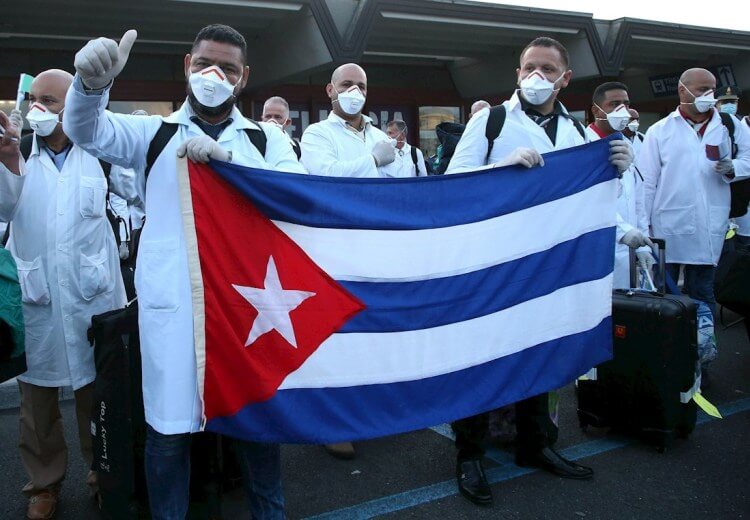
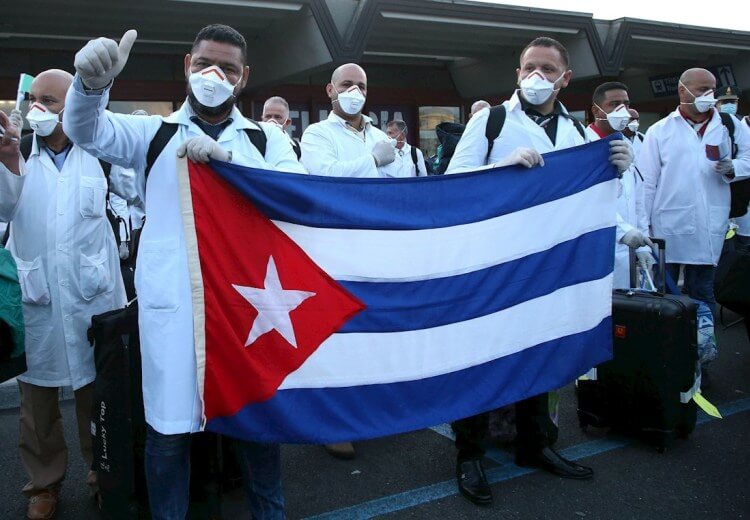
A Global Effort: Companies around the world are coming together to produce ventilators, hand sanitizer, and masks for health care professionals. Doctors are also traveling to different countries to help battle COVID-19; more than 29,000 Cuban doctors are currently working in 59 countries.

Cancellations: Countless tournaments and major sporting events have been canceled and postponed as an effect of the coronavirus. Wimbledon and the Olympics have been postponed for the first time since World War II.

Zimbabwe

Coronavirus: The government has implemented a three-week-long nationwide lockdown, causing people to flock to grocery stores. Zimbabwe is still experiencing the effects of a drought that occurred two years ago; there is a shortage of “maize meal, or mealie meal, a Zimbabwean staple.” Citizens are more worried about dying of hunger than the coronavirus. The ongoing economic crisis also poses a problem for the government; “Zimbabwe’s annual inflation soared to more than 500 percent in February.”

Economic Crisis: According to Zimbabwe’s Energy Minister, the nation “has paid the $33 million debt it owed to South Africa’s Eskom Holdings SOC Ltd.” Zimbabwe is now creating its plan to pay the debt it owes Mozambique.

Lebanon

Protests: Despite the lockdown, Lebanese citizens of Tripoli broke the curfew to protest against the lack of governmental compensation for businesses that have closed due to the coronavirus. Protesters are also demanding financial aid to cover rent and utility payments.

Human Rights: Sans-papiers in Lebanon have been denied the possibility to be tested for Coronavirus due to the high costs of the procedure. Some hospitals have confirmed that their policy is to turn away undocumented people, claiming that they are not in need of health care.

Iran

Riots: Several riots have occurred among prisoners in Iran over fears of contamination in prisons. Iran’s prison authority recently released over 100,000 prisoners to slow the spread of COVID-19 amongst inmates. Furlough excludes so-called “security cases,” including violent offenders, dual-nationals, and people with ties to western governments.

Sanctions: Iranian officials are pressing the United States to lift sanctions in order to properly treat coronavirus patients. Foreign Minister Javad Zarif referred to the sanctions as “economic terrorism,” as they are preventing Iran from purchasing necessary medical equipment. The country has more than 47,000 confirmed cases and more than 3,000 deaths.

Hong Kong

The government has banned public gatherings of more than four people. Citizens are afraid that this will “be used to crack down on political dissent – and it appears to be happening already.” Protesters gathered on Tuesday to mark seven months since police randomly beat passengers on a train. The police quickly detained the protesters “to avoid the spread of the disease in society.”

China

Wuhan residents are suspecting that the Chinese government hasn’t been completely truthful about the number of virus-related deaths the country has seen in the past few months. As the two-month lockdown is coming to an end, citizens have noticed that crematoriums have been working nonstop. Radio Free Asia has estimated that 42,000 urns will be given out in a 12 day period, and “there have also been claims of city officials paying off families in exchange for their silence.”

Venezuela

United States Secretary of State Mike Pompeo presented the “Democratic Transition Framework for Venezuela” on Tuesday. According to Pompeo, the plan “ends the suffering and opens a path to a brighter future for Venezuela.” It would replace both Maduro and Guaidó with a five-person council until the next presidential and parliamentary elections, which are set to take place in six months to one year. The framework would also require the US to lift sanctions so that Venezuela could strengthen its economy.

Libya

COVID-19: Tripoli has announced the liberation of 450 prisoners as a measure to limit the spread of the virus in prisons. The preventative measure was announced after Hanan Salah, Human Rights Watch’s senior researcher, reported that the Libyan Health Care system is not strong enough to cope with a large number of patients.

Missile Attack: On Wednesday, a Turkish warship fired missiles in Al-Ajaylat, “which is under the control of Field Marchal Khalifa Haftar.” Libyan news sources have said that the missiles could have initially been targeted at the Al-Watiya Air Force Base. There were no casualties.

Bolivia

Bolivians are getting increasingly frustrated with the government’s response to the coronavirus after completing two weeks in quarantine. Most Bolivians have lost their main source of income; they have yet to receive government assistance. Residents of Cochabamba even took to the streets to express their dissatisfaction.

Myanmar

As the coronavirus continues to wreak havoc around the world, Myanmar has “temporarily” suspended entry visas. It has also stopped all international flights from landing in the country. The government confirmed its first two cases of the virus just last week and the first death on Tuesday. More preventative measures are expected to be implemented in the near future.

Palestine

The UN “has showered praise on Israel for is ‘excellent’ cooperation with the Palestinian Authority in fighting the coronavirus.”  The two nations have implemented a mechanism that allows them to communicate “moment by moment” on all virus-related issues. However, the Palestinian delegation still slammed Israeli leaders, saying “occupation knows nothing of humanity.”

Iraq

Prime Minister Abdil Abdul-Mahdi held a cabinet meeting on Sunday where he “warned that carrying out attacks and acts of war without the authorization of the Iraqi government is a clear violation of Iraq’s sovereignty.” Given that the coronavirus is a major threat to countries around the world, Abdul-Mahdi is adamant that violence within the country must decrease in order to more directly focus on treating patients.

Nicaragua

While much of Latin America is closing its borders to prevent the spread of COVID-19, Nicaraguan officials are still considering the pandemic “overrated.” They are encouraging citizens to go about their everyday lives, and the government has yet to place a limit on large gatherings. Residents are begging the government to do more. In response to their pleas, President Ortega replaced his health minister on Wednesday.

North Korea

According to South Korean officials, North Korea launched what was believed to be two short-range ballistic missiles into the Sea of Japan on Sunday. South Korea’s Joint Chief of Staff has deemed the test to be “totally inappropriate behavior,” given that the world is grappling with a pandemic.

Russia

After US President Donald Trump and Vladimir Putin spoke this week, a Russian military plane carrying medical supplies landed in the US on Wednesday. The supplies included “60 tons of ventilators, masks, respirators, and other items.” However, an argument over the nature of the shipment quickly revived tensions between Trump and Putin. Trump called it “a very nice offer,” when in reality they were purchased from Russia at below-market prices.

United States

US soldiers are pulling out of the third base this month in Iraq, leaving at least $1.1 million of equipment to Iraqi forces. More withdrawals are expected to take place in the near future. The current mission of the US army is to occupy only two bases in Iraq.

Syria

Ceasefire: Turkish armed forces hacked into a Syrian army radio broadcast to issue “a warning not to violate the de-escalation zone.” Turkey has continued to mobilize forces in Idlib “in case the agreement breaks down.”

Coronavirus: Syria’s Ministry of Health has reported its first virus-related death.

Other News:

Hungary: Citing the urgency of the coronavirus pandemic, Hungary’s parliament has approved a bill to allow Prime Minister Viktor Orban to rule by decree with no end date. After this approval, Ursula von der Leyen warned that coronavirus emergency measures taken by countries in the EU must be “limited,” as the bill is explicitly circumventing democratic institutions in the EU.

Mexico: Maria Elena Ferral, a correspondent for the Diario del Xalapa daily newspaper, was shot and killed on Monday. Mexico is one of the most dangerous places in the world for a reporter to work; more than 100 journalists have been murdered since 2000.