Weekly Report: 27 July 2018

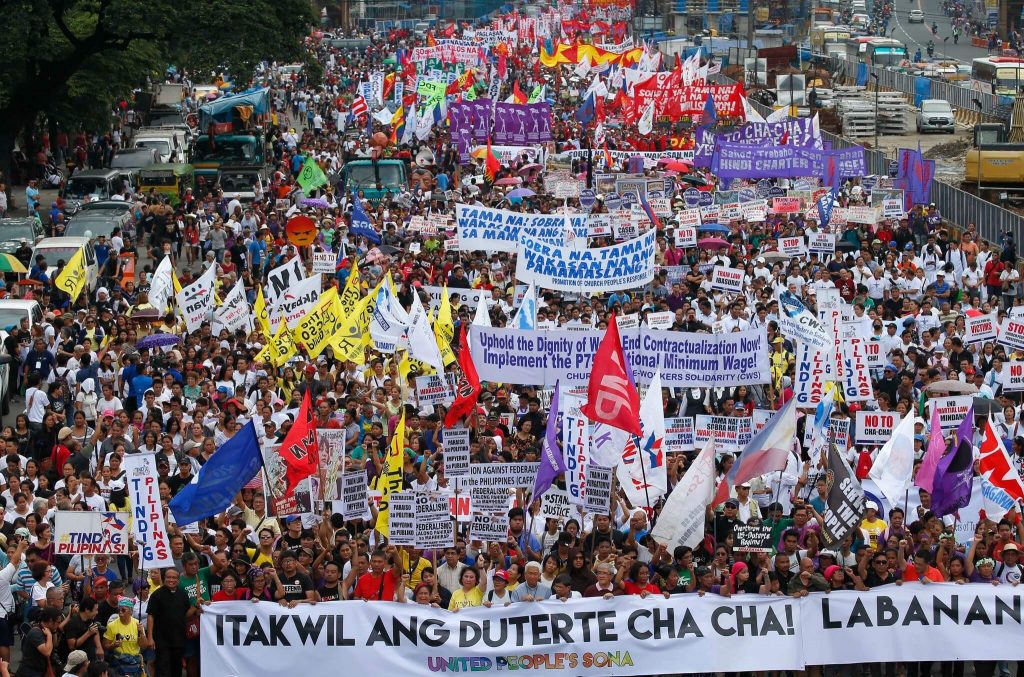
Protestors marching against Filipino President Rodrigo Duterte in Manila on July 23rd,2018. Associated Press, Bullit Marquez
Syria

At least 215 people have been killed in a series of Islamic State attacks in Sweida, a Southern Syrian province, on Wednesday. A sickening combination of suicide vests and heavy artillery wounded an additional 180. Despite its significant loss of territory in recent years following heavy foreign intervention and combat, IS maintains a considerable amount of territory centered around Southern Syria next to the Jordanian border.

The Syrian government has begun confirming that hundreds of prisoners taken into their custody during the Civil War have died. At least 312 deaths have been confirmed so far, but as relatives continue to search for their loved ones the number is expected to rise. The government has detained more than 80,000 people in the last 10 years.

Independent researchers have found that civilian casualties in Syria have risen by 34% due to Russian air strikes, which are supported by and partnered with the offensive tactics of Assad’s government. Russian weapons have killed at least 2,882 people in 2018. The Kremlin has maintained key interest in the success of Assad’s government following the war and has stated that they plan to employ restoration tactics in Syria akin to those used in the construction of the Soviet Union following World War II.

The United States and France have implemented sanctions to combat the use of chemical weapons by Assad’s government, targeting 5 new manufactures in addition to renewing 24 previous sanctions. The new policy has heightened tensions between the US, France, and Russia, especially following the Trump-Putin summit last week.

Syrian Kurds, who secured control over large swaths of Northern Syria and served as key American allies in combats against IS, have expressed concern about the durability of American support following the conflict and have begun considering negotiations with Assad. While Kurds remained largely uninvolved in direct confrontations with Syria’s regime, they share a complicated history of oppression from the government. It is unclear whether Assad intends to allocate any autonomous territory to the Kurdish People following the war’s end, especially given the high degree of Kurdish influence within the region.
Bolivia

In response to the Ecuadorian Prime Minister’s announcement that he intended to donate the Union of South American Nations (UNASUR) Headquarters in Quito to an indigenous university, the Bolivian foreign ministry has stated that there must be a bloc consensus among UNASUR before the building can be reappropriated by its host state. UNASUR is in the midst of an ongoing crisis, as they have been unable to elect a new secretary general and are presently losing six of their twelve nation-state members.

The government has announced that government-affiliated police will be deployed to Potosi, a major city, in anticipation of protesters on Bolivian Independence Day on August 6th. The protesters, who propagate the “Bolivia says no” slogan, were planning to protest the government for not recognizing the results of the 2016 constitutional referendum as politically binding. The failure of this referendum, which would have put a term limit of two terms on the president, has now removed any term limit of the presidency. According to the ruling Movement for Socialism (MAS) party, the protesters will not be allowed to march, but will be given space to chant their slogan during the Independence Day parade.
Nicaragua

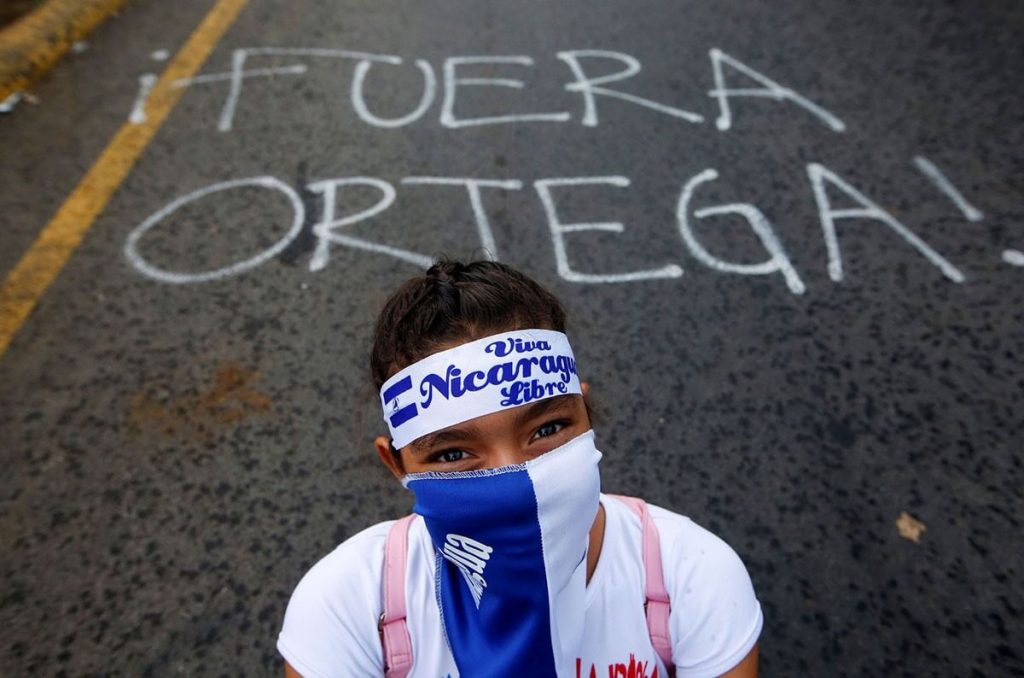
Unrest continued in Nicaragua this week as did protests against Nicaraguan President Daniel Ortega. Family members of detained students and civil leaders who oppose the president were forced to flee to a cathedral following harassment from pro-government groups, which were ordered to clear the area around the detention center where these relatives had been waiting. Those detained are not allowed legal representation or visits, according to the Nicaraguan Center for Human Rights (CENIDH).

Ortega’s government recently passed a law allowing those who protest against the government to be arrested and designated as terrorists. Protesters have taken to hiding their faces in order to evade police. Supporters of Ortega have also begun to organize pro-government rallies and blame deaths on the opposition. Aside from shootings, insecticide attacks, sulphuric acid attacks, kidnappings, and torture have also been reported, primarily affecting students, human rights defenders, journalists, and members of the religious community. The situation has a whole has caused 277 deaths, more than 2,000 injuries, and 215,000 job losses. 
North Korea

As outlined under the 2018 Singapore Summit conditions, the dismantlement of key North Korean nuclear facilities has begun at the Sohae Satellite Launching Station. The facility has been the DPRK ’s primary nuclear launch and intercontinental ballistic missile program center for the past six years. It includes buildings meant to prepare space vehicles for launch and develop specific engines for ballistic missiles and similar systems. Although some believe that this represents an important confidence-building measure, other analysts state that true denuclearization will not have begun until the DPRK begins to dispose of fissile materials and nuclear facilities.

On Monday, the United States released an advisory opinion detailing the measures that the North Korean government takes to evade the consequences of sanctions;  as a result, Taiwan has announced this Tuesday that it would cease employing North Korean workers. This is part of a larger trend of American policy targeting North Korean overseas workers, as they are estimated to provide $500 million USD to the North Korean regime annually. Despite continually enforced sanctions from the United States, South Korea continues making efforts to improve its relationship with its northern neighbor; this week, South Korean officials have both explored revitalizing the previously defunct railway system between the two and begun to consider reducing the number of troops stationed on the Demilitarized Zone.

The alleged path to peace between the United States and the DPRK remains strained. However, this Friday, the DPRK repatriated the remains of what is believed to be 55 American troops killed in the Korean War. The contents of these ashes remain to be seen, and some skeptics have noted that the DPRK government has given fabricated remains of foreign nationals to grieving relatives in the past.
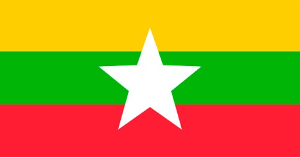
Myanmar

After a landslide at a jade mine in the Kachin state and 27 subsequent casualties, questions about the jade industry’s regulation and corruption have risen again among members of the international community. As a result of heavy rains in the area, police, the Red Cross, and the fire brigade have been unable to locate any of the injured or deceased people at this time.

On Monday, the United Nations Security Council strongly advised Myanmar’s government to create conditions which enable the return of Rohingya refugees currently in Bangladesh. Despite continued scrutiny over the government’s role in the Rohingya crisis following last week’s report by Fortify Rights, Laos has vowed this Wednesday to promote bilateral relations and cooperation with Myanmar.

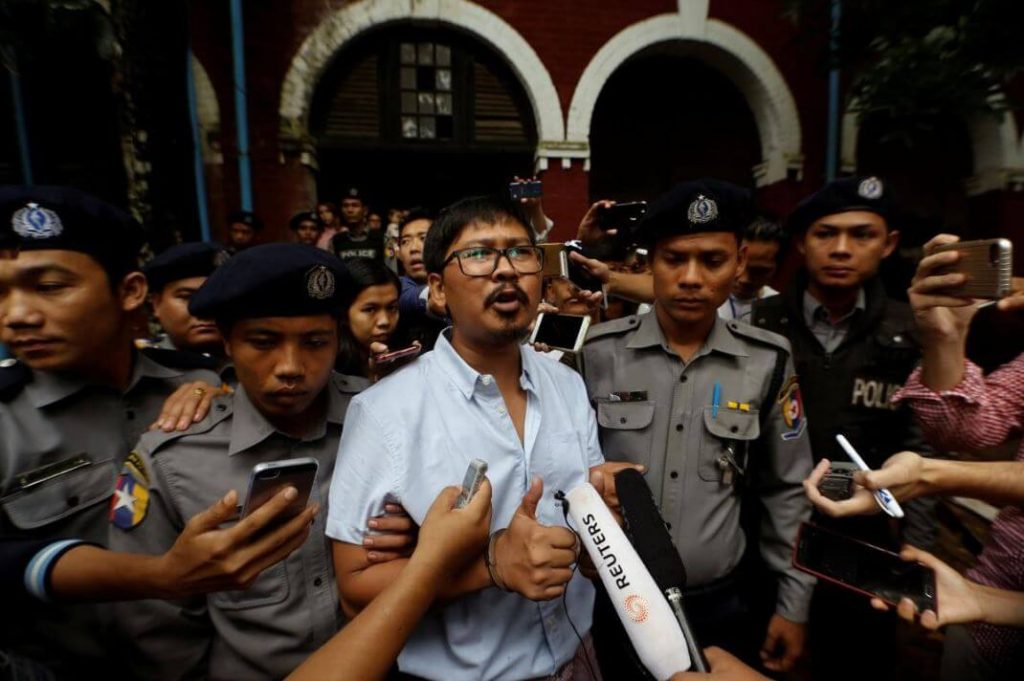
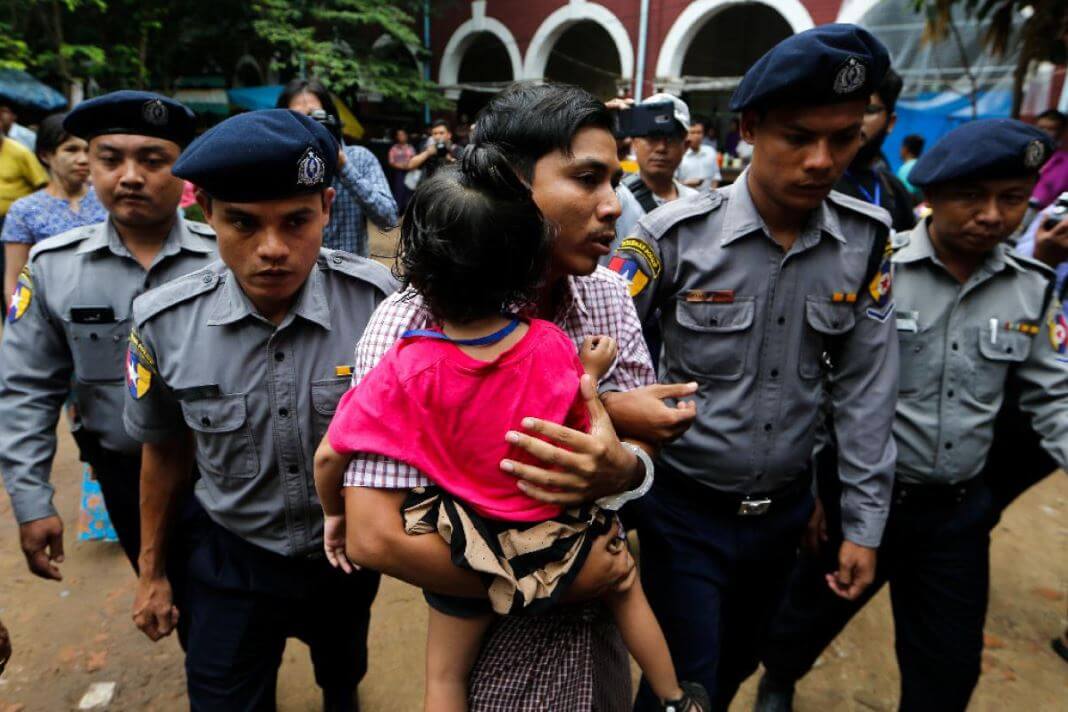
Also concerning is the recent revelation that two Reuters reporters detained last year have been subject to severe interrogation techniques, including forced sleep deprivation. The two were originally arrested over their work on a story regarding the murder of 10 Rohingya Muslims by government soldiers.

USA

Facing bipartisan pushback against tariffs, the White House has announced a $12 billion USD aid package for farmers struggling due to the escalating trade war. This stopgap solution is designed to help assuage Republican fears that Trump’s trade policy is harming their constituents and weakening their chances of faring well in the 2018 midterm elections. President Trump also met with European Commission President Jean-Claude Juncker to discuss the trade war. While no definitive agreement was reached, both parties demonstrated a willingness to work together and remove trade barriers.

Student protesters from March for Our Lives, an advocacy group led by student survivors of the Parkland shooting, continued their fight for gun reform in Gainesville, Florida this week. Inaction by politicians since the Marjory Stoneman Douglas High School shooting in February has only incensed students and their supporters who seek to “register more young people to vote” and end gun violence through gun control reform.

The United States aims to forge a closer relationship with Taiwan through a new Congressional defense spending bill intended to push back against Beijing. This bill, if passed, would expand military-to-military engagement between the countries and sell US military equipment to Taiwan.

After Iranian President Hassan Rouhani tweeted that Trump’s hostile policies could lead his country to “the mother of all wars,” President Trump lashed back with an equally volatile tweet, inciting increasingly poor relations between the two nations.  Similarly, the apparent camaraderie between President Trump and Russian President Vladimir Putin has not directly translated into improved US-Russia relations as Secretary of State Mike Pompeo issued a “Crimea Declaration” condemning Russia’s annexation of Ukraine’s Crimea region. The White House has also threatened sanctions on Turkey over their refusal to free Andrew Craig Brunson, an American pastor who was charged with converting Kurds to Christianity and “radicalizing” them towards independence. 
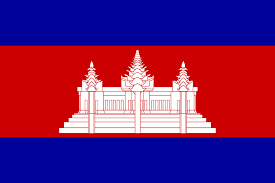
Cambodia

Cambodia’s elections, set for this Sunday, have been globally discredited due to the government’s removal of opposition groups. Human Rights Watch has called the election “not genuine,” and the United States, EU, and Japan, the main supporters of Cambodian elections, have refused to send observers to the country. Exiled opposition party leader Sam Rainsy called for a boycott of the election, however, this is expected to have little to no effect on the outcome or the legitimacy of the fraudulent election.

More than 25,000 people will be evacuated in Northern Cambodia after the collapse of a dam in neighboring Laos causing a surge in the Mekong river.
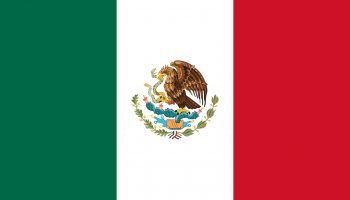
Mexico

Claudia Sheinbaum Pardo is set to become Mexico City’s first female mayor in December. Mexico has one of the highest female election rates in the world, and many suspect Pardo’s mayoral win is the first of many steps to her eventual candidacy for Mexico’s presidency.

Six people were killed and four wounded when a gunman opened fire at a funeral in Western Mexico. Official police statements have yet to be released on the subject; however, the shooting occurred in Michoacan State where many drug trafficking routes are located. Homicides in Mexico have increased by 16% so far in 2018, with a total of 15,973 murders in the last six months.

Ruben Pat, the director of a Mexican news website, was killed this week, the second member of the Semanario Playa News outlet to be killed in a month. It is widely suspected that Pat’s murder occurred in relation to his journalism, which was critical of drug cartels and police impunity.

Families of the 43 missing Ayotzinapa students have continued the search for their children by pursuing a court case with Mexico’s Supreme Court. The group has requested that the court create a truth commission that works impartially to find the responsible culprits, as impunity and corruption have stalled independent investigations into the matter for 46 months.

President Trump’s intended US-Mexico border wall will spark serious repercussions for animals, including limited movement, habitat, and disrupted environmental patterns according to a new study. Subsequently, animal rights activists have joined human rights activists in petitioning the US Congress to implement more sustainable and less harmful border control measures in the region

The Maldives

The Maldivian Supreme Court completely overturned its watershed February ruling which had ordered the release of political prisoners and the reinstatement of 12 opposition lawmakers. Following February’s court ruling, President Abdullah Yameen had declared a state of emergency and began to imprison top judges and opposition leaders on charges of terrorism. The newly appointed set of judges are heavily politically biased in favor of the current government and have drawn condemnation from international groups who are shocked by the degradation of the independence of the judiciary in the Maldives.
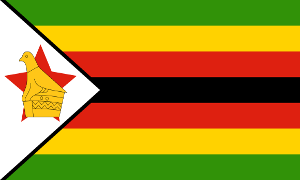
Zimbabwe

Zimbabwe’s first election without Robert Mugabe is to be held on Monday after a mostly peaceful electoral season. Campaigns and candidates were able to freely and openly oppose the incumbent Emmerson Mnangagwa without major threats of intimidation. International observers arrived in the country for the first time in decades, showing additional signs of progress. However, both main candidates, Mnangagwa and opposition leader Nelson Chamisa, have used dangerous rhetoric against each other in the campaign, and their commitment to democracy is yet to be fully tested. Chamisa continues to claim that the elections will be fraudulent. The United Nations has also warned of increasing voter and candidate intimidation as the elections approach. Polls have so far been unable to predict a clear winner, and the race may continue into a run-off election.  

Business in the country has grown as the election season has brought both international interests and increased consumer spending in the country. The prospects of a more open economy have also bolstered preparations for increased foreign investment.
Laos

Following several days of heavy rain, a dam collapsed in Laos on Monday night leaving at least half a dozen villages destroyed, 27 people dead, 131 missing, and 7,000 people homeless. Roughly two hours before the dam collapsed an evacuation warning was issued; however, few evacuation efforts were actually attempted. The impact of the dam break spread into Cambodia where roughly 25,000 Cambodians have had to relocate to higher ground. Water levels are only expected to rise in coming days, as is the death toll. Singapore has pledged 50,000 USD in aid to Laos following the collapse, South Korea has sent several relief teams for search efforts, and the Thai army has also pledged its support to the flood victims in the coming weeks.
Vietnam

Human Rights Watch has urged the Vietnamese government to drop charges against environmental activist Le Dinh Luong. Mr. Luong was charged with “carrying out activities that aim to overthrow the people’s administration” under the Vietnamese penal court.  

With its growing exports and moderate imports, the Council of Foreign Relations has called Vietnam “the next China”. Vietnam’s foreign reserves have nearly doubled in the past two years. While there are indications that the US-China trade war might negatively affect Vietnam, the economy has not been affected yet.

The Democratic Republic of the Congo

In his state-of-the-nation address last week, President Kabila declined to state whether he would run for another term this December. While promising that he would “unequivocally respect the constitution,” his track record indicates the opposite and critics fear he will register to run before the August 8th deadline for candidates.

Fortunately, DRC’s Ebola outbreak has finally ended.
Colombia

The former President of Colombia Alvaro Uribe has stepped down from his seat in the  Senate after the Supreme Court disclosed it was conducting a criminal investigation against him, including charges “bribery and procedural fraud.” Considering that his protégé Ivan Duque is soon to take office, Uribe’s resignation might offer Duque more maneuvering space in the Senate, especially as he is considered to be more moderate than his predecessor with regards with the FARC deal Uribe has long been accused of supporting right-wing paramilitaries to fight against the FARC forces in Colombia’s civil war.

United Nations Secretary General Antonio Guterres stated  that the greatest challenge for the incoming Colombian government is bringing development, security, and the rule of law “to vast expanses of the country that continue to be prey to violence.” He has expressed hope that the achievements of incumbent President Santos must be preserved to “consolidate peace.”
Venezuela

As Venezuela’s inflation crisis continues, the government will remove five zeroes from the currency and tie it to the state-backed cryptocurrency, the Petro. The move is seen as a last-resort attempt to stabilize inflation that is expected to reach 1,000,000% by the end of the year according to the IMF. Maduro has also given a large oil concession bloc to the Central Bank as a means to boost lackluster currency reserves and ease economic tensions. Both plans are expected to be part of a broader economic recovery plan.

The country’s last anti-Maduro newspaper is struggling to survive amidst the inflation crisis and a new defamation lawsuit by the government. The newspaper’s survival remains one of the greatest oppositions to the consolidation of Maduro authoritarian government.

American authorities have arrested two people engaged in a $1.2 billion USD currency scam through Venezuela’s state-owned oil company. Two more Venezuelan nationals have been indicted in the United States for the scam. The American government has continued the use of sanctions to weaken top Venezuelan officials and sow doubts about their allegiances to Maduro.

A group of farmers has been marching across the country to protest weak and inefficient agrarian policy in the country. They are expected to reach Caracas in the coming days to present a series of proposals to President Maduro. The protest represents discontent in a major pillar of support for Maduro’s party– the rural campesinos.

Major strikes have also occurred in the electrical sector causing major power outages. The workers are protesting low wages and poor economic conditions by showing up to work but refusing to conduct any maintenance work. The electrical workers union has often been a supporter of both Chavez and Maduro, but recent problems in the outdated electrical grid, a shortage of skilled technicians, and poor wages have led to the strike.

Malaysia

Mahathir Mohamad, the Prime Minister of Malaysia, recently stated that the government he inherited has been ravaged by corruption. In a recent interview with CNN, he stated that “most of the top echelons in the government are corrupt.” Mohamad also spoke strongly against the escalating trade war between the United States and China, stating that there is no benefit to be had from a potentially destabilizing trade war.

Despite the ongoing scandal led by former prime minister Najib Razak and the 1MDB fund, construction of the 1MDB-affiliated Exchange 106 tower in Kuala Lumpur is still underway. Prime Minister Mohamad has continued to fund this project which is being marketed as the “world’s most luxurious” office building.

Mohamad has continued to honor the 1692 Water Agreement with Singapore despite having discussed reneging it during his electoral campaign.  Additionally, top-level Malay politicians are attempting to refocus discourse between the two countries on the renegotiation of the High-Speed Railway project between Kuala Lumpur and Singapore. The Malaysian government stated in May that this project would be scrapped, but signals have been incredibly mixed over the past few weeks as to what the future of the joint project will be.
Cuba

Cuba’s new constitutional reforms have been preliminarily released to the public as the legislature approved the first steps for amending the constitution last week. Among the changes is the possibility for a referendum allowing same-sex marriage. However, the changes have faced criticism from around the world and human rights organizations for not going far enough as the country continues to violate basic human rights and repress activists.

Other News:

The Philippines: As a result of Philippine President Rodrigo Duterte’s history of violently misogynistic remarks, 40,000 women’s rights supporters protested him on Monday using the hashtag #BabaeAko, which translates to “I Am Woman.” – Time

Poland  — The judicial crisis in Poland continues as legislators push to remove Supreme Court President Malgorzata Gelsdorf from office from office. The lower chamber of Parliament pushed for a new law that would allow the appointment of her replacement to be expedited. — Reuters

Thailand — Thai nurse and activist, Natthida “Waen” Meewangpa, continues to be held on lese majeste (blasphemy to the monarchy) charges. She has been held since 2015 without trial and is expected to face charges in military court soon. Her involvement in anti-coup protests in 2010 led to her arrest by the military junta. — Human Rights Watch

Bahrain — A United Nations Report released this week calls for increased freedoms of expression and human rights in the country amidst the incarceration of several activists, increasing use of police violence, expanding anti-terror laws, and discrimination against women. — Channel News Asia

Pakistan — Imran Khan, the chief of the Tehreek-e-Insaf (PTI) Party, won the recent general elections in Pakistan. However,  Khan will need to form a coalition with the Independents before he can establish his government. This year too, electoral violence plagued the Baluchistan and the Khyber Pakhtunkhwa provinces of Pakistan.— AlJazeera
Weekly Report: 20 July 2018

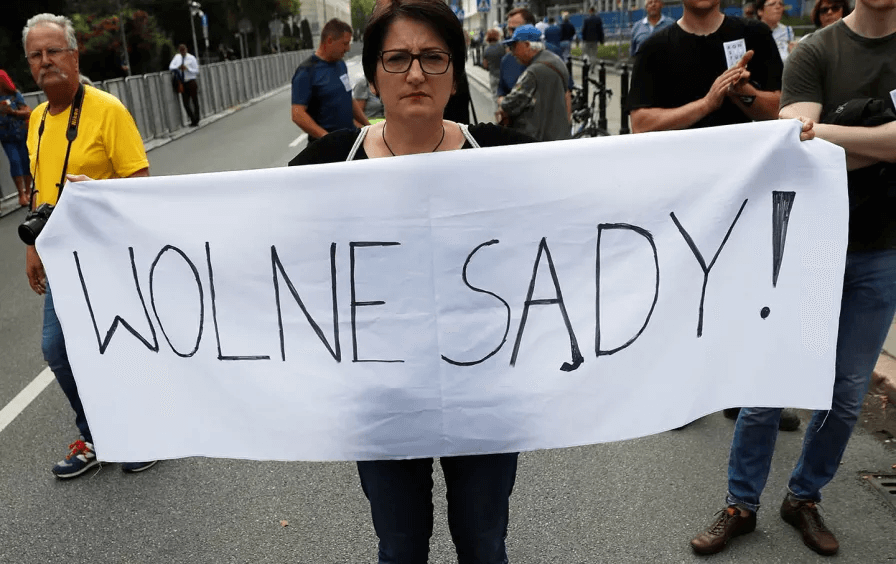
A woman holds a banner reading “Free Courts” at a protest outside the Parliament building in Warsaw, Poland on July 18, 2018. Reuters, Kacper Pempel.

Syria

Last week, rebel forces in the Deraa province agreed to surrender the region to the government in return for their safe evacuation to northern Syria. Just a few days after this evacuation agreement, Assad’s forces moved into the nearby Quneitra province and continued attacking rebels. On the 19th, rebel forces surrendered and agreed to leave Quneitra.

On the other hand, negotiations between the government and rebel forces in Nawa (the largest urban center in Deraa province) faltered when opposition leaders refused to capitulate their control in the region. The government proceeded to conduct an intense overnight bombing campaign between Tuesday and Wednesday, which included at least 350 launched missiles. Nawa’s only hospital was bombed, many (including doctors) were killed, and at least 150 were wounded.

The government’s attacks in Deraa and Quneitra sparked a peaceful protest on Tuesday near the frontier of the Israeli-occupied Golan Heights. Protestors waved white flags at Israeli soldiers, requesting protection from the government’s offenses. However, the protestors were quickly dispersed by Israeli soldiers who claimed they used loudspeakers to request the Syrians to turn back.

On Thursday, Hay’at Tahrir al-Sham (an al-Qaida linked rebel group) exchanged the release of 1,5000 prisoners held by the government and Hezbollah for the safe passage of Fua and Kefraya residents to Aleppo. Hay’at Tahrir al-Sham had imposed a siege on the two towns Fua and Kefraya for three years, making the civilians suffer from food and medicine shortages. The two towns are in the heart of Idlib, a region in northern Syria, which is the last rebel holdout against Assad’s impending forces.

Vladimir Putin and Donald Trump discussed Syria during the Helsinki Summit on July 16th. Both leaders agreed to work to end the conflict. President Trump has consistently expressed his desire to pull US troops out of Syria, despite the US military’s historical support of the rebel forces in the past. Therefore, the cooperation between the US and Russia (Syrian President Bashar Assad’s top ally) will likely amount to a reversal of American policy in Syria. Russian President Putin suggested that the two countries can work together “to overcome humanitarian crises and help Syrian refugees to go back to their homes.” Ironically, Russia has been heavily involved in the recent attacks on hospitals and humanitarian aid convoys in southwestern Syria. Russian officials, however, have denied involvement and claimed that the accused Russian forces are pro-Syrian fighters. Meanwhile, Israel continued its attacks against Iranian forces by striking a military base in Aleppo. The state-run Syrian News Agency condemned this attack, which killed nine regime fighters.

Bolivia

After the horrific rape and mutilation of a nine-year-old girl with down syndrome, activists have lined the streets of Bolivia in protest. Groups against assault were joined by members of the Down Syndrome Association of Sucre to demand maximum sentencing for the perpetrator, who is currently being held in the San Roque jail for aggravated rape.

Statistics from the Prosecutor’s Office report 726 sexual abuse cases and 37 cases of infanticide in Bolivia between January and June of last year, though actual numbers are likely higher due to unreported cases.

Nicaragua

Last Friday, activists organized a nation-wide strike that closed all businesses in an effort to place pressure on Ortega to resign.  Unfortunately, Nicaraguan police and pro-government paramilitary forces successfully retook the Monimbo neighborhood in Masaya just days after the strike, leaving three dead and dozens wounded on Tuesday.

This week, a rural activist and Campesino leader, Medardo Mairena, was unfairly arrested for organized crime, terrorism, and the deaths of four police officers. Mairena’s arrest sparked activists to rally outside of Managua Central Judicial Complex and demand his release. At a conference set up by SOS Nicaragua Global, a group of Nicaraguans living abroad who support the protesters, student activists spoke of the gross human rights abuses committed by Ortega’s government. The students cited that 350 people have been killed, 169 have disappeared and 3,000 have been wounded by police agents since the beginning of the protests. Furthermore, the kidnapping and torture of two Nicaraguan-Americans by paramilitary groups has received media coverage, though the two were able to escape safely and are now in the United States.

North Korea

North Korea has imported more than three times the amount of petroleum allowed under UN sanctions, and the US submitted a report and request for sanction enforcement to the UN Security Council in response. However, China and Russia placed a “hold” on the complaint, thus inhibiting the UN from taking any action on the subject for the next six months.

North Korea has demanded that South Korea return 12 female employees who allegedly defected from a North Korean restaurant chain in China. North Korea alleges that the women did not resettle in South Korea by choice and were coerced into leaving, Should the women not be returned, North Korea’s government has stated that they may renege on their promise to unite families separated during the Korean War.

US Director of National Intelligence Dan Coats has stated that North Korea’s denuclearization is highly unlikely and will almost certainly not take place within this year. Meanwhile, North Korea continues to delay its promised return of Korean War remains. Both developments stand in stark contrast to the promises made by the DPK during their summit with US President Trump in June. North Korea’s regional influence is growing, as they opened an official tourism office in Taipei this week.

South Korea

South Korea’s former President Park Geun-hye was sentenced to eight years of prison in addition to her previous sentence of 24 years. The new charges are based on abusing state funds and violating election laws, and as trials for her alleged crimes continue, critics suspect her sentence will only to increase.

Current South Korean President Moon Jae-in’s approval ratings fell six points to 61.7%, the largest dip in support so far in his presidency, after implementing a minimum wage increase sharply criticized by business owners.

Myanmar

Fortify Rights, a human rights group based in Bangkok, reported that the genocide of Rohingya civilians was orchestrated and planned months before the outbreak of violence in 2017. In preparation for its brutal crackdown, the military confiscated sharp objects, tore down protective structures around homes, withheld aid, and increased state security forces in the region. The report listed the names of 22 police and military officials deemed responsible for the violence in August 2017, when the attacks broke out. The list includes Commander in Chief Min Aung Hlaing, Deputy Commander in Chief Soe Win, and Joint Chief of Staff of the Army, Navy, and Air Force Mya Tun Oo.

This ethnic hatred and violence have brought international attention to the role of Facebook in disseminating messages that led to genocide. Derek Mitchell, who served as United States Ambassador to Myanmar from 2012 to 2016, claimed that Facebook was unresponsive when he reached out to them in 2013 in an attempt to curb the spread of anti-Rohingya messages online. Only after some the death and displacement of over 700,000 people did Facebook CEO Mark Zuckerberg acknowledge the social media site’s role in fueling the conflict.

A landslide at a jade mine in northern Myanmar has killed at least 15 people, many of them ethnic Kachin youth from a refugee camp in Kachin state. The mining industry is extremely unregulated, and most profits of the industry go to Myanmar’s military elites.

Two Reuters journalists continue to fight for press freedom. In his recent testimony, Wa Lone claimed that he and his colleague Kyaw Soe Oo were framed by the police into violating the Official Secrets Act. He recalled an incident in which they were handed documents by policemen and told to take photographs of them.

A recent Human Rights Watch report titled “Nothing for Our Land; Impacts of Land Confiscation on Farmers in Myanmar” documents the decades-long government-perpetrated illegal confiscation of land in Myanmar. Activists are now calling on Aung San Suu Kyi’s government to investigate the confiscations, hold perpetrators accountable, and provide redress for those who’ve had their lands and livelihoods stolen. So far, Suu Kyi’s initiatives have been ineffective in addressing the concerns of the thousands who are still waiting for their land to be returned

USA

After his highly televised meeting with Russian President Vladimir Putin this week, President Trump has encountered bipartisan fury for his remarks associated with Russian meddling in US elections. Russian Ambassador to the United States Anatoly Antonov has claimed that the summit was successful and important verbal agreements were reached regarding bilateral arms control treaties and concerns about the future of Syria, Iran, and North Korea.  No details regarding these alleged agreements have been made public.

The Justice Department has indicted 12 Russian nationals on charges of hacking the DNC’s computers, stealing data, and publishing stolen files to disrupt the 2016 election. Another Russian, Maria Butina, has been accused of acting as an unauthorized foreign agent after establishing connections with powerful Republicans and special interest groups to form a backchannel with Russian intelligence operatives in attempts to sway the 2016 election.

Meanwhile, Iranian President Hassan Rouhani has taken the United States to the International Court of Justice over President Trump’s withdrawal from the 2015 nuclear agreement. While the US has reported these charges as “baseless,” Iran maintains that this approach shows their respect for the rule of law.

Cambodia

As Cambodia’s elections approach, Chinese and Japanese influence and soft power in the country have become more apparent. China has provided election observers, polling booths, laptops, and other election materials in an effort to expand its regional power. Japan has also provided thousands of ballot boxes and materials. However, both countries have received criticism for supporting the practically fraudulent elections, as increased electoral resources are no substitute for lack of political opposition and severe repression of civil activity.

This week, an American security-research company found evidence of Chinese hacking in the electoral computers and systems of the Cambodian National Electoral Committee. The attacks also targeted key dissidents and activists in a move of support for Prime Minister Hun Sen’s government.

Reports of threats by Cambodian security forces have surfaced in various provinces as armed government officers ask people to vote for the ruling Cambodian People’s Power or face repercussions. These threats continue the Party’s consolidation of power by weakening the opposition and intimidating voters. Any pretense for a democratic or free and fair election has long vanished since the banning of the main opposition party, the Cambodian National Rescue Party, last year.

Mexico

Amnesty International condemned Mexico for blocking their investigation into the 2014 disappearance of 43 university students. According to Amnesty, Mexico’s government has implemented more than 100 legal motions to block any investigation into the subject. Not a single person has been convicted in relation to the original incident, but government forces have been implicated in handing over the students to a local drug cartel.

Not all of Mexico’s disappearances have been met with impunity, however, as the death of 13 people and the disappearance of 5 in Southern Mexico on Tuesday is being investigated this week.

Singapore

A Singaporean shipping company has been charged and plead guilty to illegally dumping oil-contaminated bulge water at sea. The company will be fined $1 million USD and will receive a two-year probation.

On Monday, Singapore was featured on the State of the Internet/Security Summer 2018: Web Attack Report for having the largest source of web-application attacks in Asia. Such attacks compromise citizen’s safety, as Singapore has one of the highest internet connectivity speeds and residential wired broadband household penetration rates globally.

Thousands are expected to attend tomorrow’s state-sanctioned LGBTQ+ pride parade known as Pink Dot. Activists are enthused about the event’s ability to encourage locals to come out and be themselves, though there is much to be done in terms of broad civil rights and anti-discrimination laws in the country.

The Maldives

The European Union has approved sanctions against Maldivian government officials, including travel bans and asset freezes. Though the EU has yet to publicly name these individuals, they have called on the Yameen Government to engage with opposition leaders in “genuine dialogue that paves way for credible, transparent and inclusive presidential elections.” President Yameen has condemned these sanctions and has lambasted the opposition for welcoming foreign influence over the Maldives’ independence and sovereignty.

Chinese Ambassador Zhang Lizhong has denied claims of land grabs and debt traps and has reiterated that there are no political conditions attached to Chinese investments and projects in the region. Additionally, the Maldives is set to receive $40 million USD concessional loans from the OPEC fund for international development. Considering that these relief packages occur in tandem with ongoing international sanctions, there might not be any substantive improvement to democracy in the country.

The Maldives electoral body has been accused of removing ballot boxes in seven of the 14 islands, thus forcing Maldivian workers to travel to nearby islands to vote in September’s elections. The electoral body has also been accused of forcing elderly people and those with disabilities to seek help from polling officials, which would breach any confidentiality these citizens might have otherwise had in the voting process.

Poland

The government’s recent reversal of a Holocaust speech law has relieved some concerns about the influence of the Law and Justice Party (PiS) on Polish politics. However, the ongoing judicial crisis and  PiS’ enduring influence over the stability of the ruling coalition shows that Poland’s democratic problems are far from over. The OSCE issued a statement declaring that Poland is risking the integrity and trust of its judicial institutions by politicising them. Supreme Court President Malgorzata Gersdorf continues to attempt to fulfill her duties despite the government’s claim that she has been removed in accordance with a retirement law. Thousands of protestors gathered in Warsaw to ask for free and independent courts.    

Laos

During the UN Human Rights Review in Geneva this week, the Laos delegation dodged questions on the whereabouts of several arrested villagers imprisoned for refusing to leave state-confiscated land. Questions about their whereabouts, health, and the precise justifications for their imprisonment were left unanswered.

Zimbabwe

The prospect of free elections in Zimbabwe has bolstered the rise of independent media in the country. Zimbabwe’s largest independent newspaper The Zimbabwe Independent has gained international attention for its usage of the word “coup” to describe the military’s removal of former President Robert Mugabe and their appointment of Emmerson Mnangagwa to the position. The rising presence of independent media is a sign of the country’s progress, especially given that the majority of the media market is state-owned.

Opposition leader Nelson Chamisa has cast doubts about the legitimacy of the upcoming election and has criticized the electoral commission for bias in favor of the ruling ZANU-PF party. Chamisa’s statements mark the significant deterioration in electoral rhetoric after a broadly peaceful campaign season.

Vietnam

A Vietnamese court has ordered the release and deportation of William Nguyen, the Vietnamese-American citizen who was detained for protesting the proposed law on special economic zones last month. While Mr. Nguyen could have faced up to seven years in prison, pressure from the US Congress and American Secretary of State Mike Pompeo have facilitated his release.  

US lawmakers are troubled by Vietnam’s recent cyber-security law and have urged Google, Facebook, and other technology giants “to promote openness and connectivity” in environments which seek to control dissent. The new cybersecurity law requires foreign tech firms to store the personal data of Vietnamese users with the local government.

The Vietnamese government has expressed concern that the ongoing US-China trade war may reduce exports, impede foreign investment inflow, and hurt domestic production. The Central Bank is considering devaluating the Dong to reduce exports, but this might cause high inflation within the economy.

The Democratic Republic of the Congo

Blatant disregard for human rights abuse continued in the Democratic Republic of the Congo this week as President Kabila appointed General John Numbi and General Gabriel Amisi, two men under US sanctions for gross human rights misconduct, to the positions of Inspector General and Army Deputy Chief of Staff, respectively.

On Friday, Jean-Pierre Bemba confirmed his candidacy as an opposition candidate after his conviction as a war criminal was overturned this month. Bemba had been charged with crimes against humanity such as murder, rape, and pillaging while leading the Movement for the Liberation of Congo (MLC) party in an armed conflict in the Central African Republic. President Kabila, who yet to explicitly confirm or deny his candidacy in December’s elections, is set to give a national address on Thursday regarding the state of the nation and several “important decisions” he has made. Kabila has already completed an unconstitutional third term, and his commitment to holding free and fair elections this year is highly questionable. These events continued the alarming partnership between DRC’s government, army, and local militias which sow instability and destruction across the country. Enduring conflicts between regional and international rebel groups only make matters worse, as eight people were killed on Monday when the Ugandan Allied Democratic Forces (ADF), attacked an army base in the North Kivu province.

In brighter news, DRC’s recent Ebola outbreak is expected to end next week.

Colombia

Former rebel leader Ivan Marquez has declined to join office after being elected to Colombia’s senate. Marquez is one of the ten FARC leaders elected to parliament under the Havana FARC deal and has denied the position on grounds that Colombia is extraditing a former colleague of his to the United States in breach of the FARC deal.

The United States has promised an additional $6 million dollars to help Colombia deal with the humanitarian crisis in Venezuela. Mark Green, the administrator for USAID has commented that this is a “man-made crisis” and the new funding will go towards nutrition and health programs along the Colombia-Venezuela border through the World Food Program and other partners. More than 50,000 Venezuelans have crossed the border into Colombia in less than a month.

The National Federation of Educators (Fecode) announced that they will hold a national strike on the 25th of July in response to violence from paramilitary groups which targets teachers and impedes access to education. The protests strive to force current President Juan Manuel Santos to fulfill his promise of alleviating the deficiencies in infrastructure, school transport and lack of investment in the education sector before he leaves office. Meanwhile, Colombia’s incoming Defense Minister Guillermo Botero is planning to “regulate” anti-government protests by mandating approval from authorities before any demonstration.

Venezuela

Venezuela has moved its central bank-controlled gold processing business to Turkey following increasingly strict international sanctions. Pressure on Maduro’s government from the global community has only increased in recent weeks, as countries such as Canada have urged their diplomats to defend human rights in the region and restrictions on trade tighten. Earlier this week, the United States revoked the visa of Asdrubal Chavez, the CEO of US-based Venezuelan refining unit Petróleos de Venezuela. Previously located in Houston, Texas, Chavez must now operate the petroleum plants from somewhere outside of the country and is now one of 48 Venezuelan nationals to be sanctioned by the US government for corruption and human rights abuses.

Several hundred senior citizens protested incomplete pension distribution this Wednesday. The demonstration took place a block away from the presidential palace amidst rapid inflation and increasing food and medicine prices across the country.

On Tuesday, protests against water and power outages in San Felix resulted in the death of a 12-year-old boy. Protestors alleged that police responded to their peaceful demonstration with gunfire, and four officers involved in the incident have been detained. Following the boy’s death, protesters marched to the local police station and partially burned the building.

Malaysia

On July 16th, opposition MPs of Malaysia’s Parliament Dewan Rakyat staged a walk-out to protest the appointment of Mohamad Ariff Yusof as Speaker of Parliament. They argued that Yusof’s nomination and appointment were against parliamentary procedure. After returning from the walkout, former Prime Minister Najib Razak accepted his position as an opposition lawmaker. The next day, Malaysia’s Sultan Muhammad V opened the first session of the new parliament.

On July 18th, during the first parliamentary debate, Najib called attention to the potential economic consequences of the new government’s cancellation of the Kuala Lumpur-Singapore high-speed rail project. Prime Minister Mahathir Mohamad had suspended various Chinese-led infrastructure projects on the grounds that they are too expensive and unbeneficial to Malaysia’s economy. Interestingly, some Chinese investments in Malaysia are suspected to be implicated in Najib Razak’s 1MDB scandal in which $4.5 billion in public funds are alleged to have gone missing. Furthermore, Najib Razak is known to be a staunch supporter of China’s Belt and Road Initiative, under which such infrastructure projects have been taking place. 1MDB investigations are currently being conducted by the United States, Switzerland, and Singapore.

Recently, the government’s plans to officially recognize exams taken in Chinese-medium high schools have been met with backlash and fear that Malay will no longer be the country’s official language. Malays feel that the new government is not able to protect Malay rights, Islam, the Malay language, and Malay rulers.

Thailand

Amnesty International has called for the re-abolition of the death penalty in the country. The statement comes after the execution of a 26-year-old man on June 18th, the first execution since 2009.

Thailand is looking to legalize medical marijuana after allowing medical research on the drug. However, Thailand will continue its harsh sentencing rules for the possession and trafficking of marijuana and other drugs.  

After a boat accident off the coast that killed 45 people, Chinese media has called for a boycott of tourism in Thailand. The boycott could cost Thailand more than $1 billion USD to the economy.

Other News:

Cuba– The Cuban government has taken its first steps towards reforming major components of its constitution. Amendments include guarantees of private property, the creation of an office of the prime minister, a ten-year term-limit for the president, emphasis on foreign investment, and bans on various forms of discrimination. The reforms will retain Cuba’s socialist economy but show social progress amid economic tensions.  – Newsweek

Russia– As Vladimir Putin watched Sunday’s final World Cup match from his presidential viewing box, four Pussy Riot protestors took to the field in police uniforms in a bold statement against Russia’s aggressive suppression of political freedoms and human rights. While FIFA broadcasting policies stipulate that game coverage should immediately pan away from individuals who run onto the field during a game, the incident was shown for several seconds in international media, perhaps in error or as a subtle nod to Russia’s ongoing human rights abuse. – New York Times

Israel- Israel has approved a bill declaring itself as a Jewish state, a decision Arab-Israelis, Palestinians, and the international community have condemned as the fall of Israeli democracy.  Entitled “The Basic Law,” this new legislation dictates that “the right to exercise national self-determination is unique to the Jewish people,” and that Jerusalem is Israel’s “complete and united capital.” The law also declares Hebrew as the state’s official language despite Arabic’s high presence and importance within the region and emphasizes the importance of recognizing the “development of Jewish settlement as a national value” – likely a nod to increasing the legitimization of illegal Israeli settlements in the West Bank. This law constitutes a serious blow to the lives of Israelis and Palestinians living in the region, especially the 20% of Israel’s population which identifies as Israeli Arabs. Growing global concern that Israel’s treatment of Arabs, particularly Palestinians, is reminiscent of the Apartheid has also been voiced. – BBC

Iraq– Protests in Iraq continue as people across the country and the political spectrum expressed their discontent at inefficient government policies regarding employment, water, and security. The protests faced strong backlash from local and national security forces as protestors were doused with water cannons and shot at with rubber bullets. — Al-Jazeera  

India– The Indian Supreme Court has decriminalized homosexuality and struck down Article 377 of the Indian Penal Code which criminalizes sex “against the order of nature.” The court stated that sexual orientation is a matter of privacy and hence a fundamental right under Article 21 of the Indian Constitution. – Scroll

France- Alexandre Benalla, a senior security advisor to President Macron, is under investigation for assaulting protestors during the May Day demonstrations in Paris. -CNN

Weekly Report: 13 July 2018

Detained Reuters journalist Wa Lone speaks to the media while leaving Insein court in Yangon, Myanmar July 9, 2018. Reuters, Ann Wang

Syria

Forced by weeks of Assad’s brutal offensives and Russian military involvement, opposition fighters in the Deraa province have agreed to hand over their heavy weaponry. The Assad government has also seized control of the strategic Nasib crossing, which will allow for the reestablishment of a key trade route between Syria and Jordan. In return, the government has agreed to leave four villages—Kahil, al-Sahwa, al-Jiza, and al-Misaifra—undisturbed. Furthermore, rebels who do not wish to live under government rule will be granted safe passage to the northern province of Idlib. However, the details of this passage have not yet been discussed. Perhaps the raising of the government’s flag in Deraa, home to the graffiti that sparked the Syrian war in 2011, could signify the end to seven years of displacement, death, and devastation.

More than 320,000 displaced Syrians from the Deraa province have sought refuge from the brutal fighting for years, unable to return to their home region despite its being a “de-escalation zone.” Currently, an estimated 189,000 are seeking shelter along the Israeli-occupied Golan Heights, although Israel has announced that it would not let Syrians through its borders. Others have been struggling to financially afford living in Jordan or to live under the appalling refugee camp conditions along the Jordanian border. Despite international pressures, the Jordanian government has refused to take in more refugees, citing security concerns linked to ISIL and Jordan’s limited capacity to accommodate more people. However, Jordan has continued to provide aid and medical assistance along the border.

Meanwhile, on Wednesday, Israeli Prime Minister Benjamin Netanyahu reassured Russian President Vladimir Putin that Israel will not act against Assad’s forces in exchange for Russia’s help in kicking Iran out of the region. The US is likely to take a similar stance in the upcoming U.S.-Russia summit. Iranian forces have been approaching Golan Heights, an occupied territory illegitimately taken from Syria in 1967. Israel has been conducting airstrikes against Iranian forces, and Russia has been largely silent on the issue. Also, Russia has not given any confirmation on whether it is interested in accepting Israel’s proposal.

Nicaragua

Now in its 11th week of civil unrest, the continuing human rights abuse and corruption in Nicaragua have lead to the imposition of sanctions from the United States on three Nicaraguan officials: Francisco Javier Diaz Madriz, Nicaragua’s police commissioner; Fidel Antonio Moreno Briones, the secretary of the Managua mayor’s office; and Jose Francisco Lopez Centeno, president of the state-owned oil company Petronic and vice-president of Albanisa, a private company that imports and sells Venezuelan petroleum products.

Peaceful demonstrations in Masaya continued this Saturday and reports show no casualties were incurred. President Ortega gave a speech on Sunday at a pro-government rally in which he blamed the unrest on “criminals, murderers, torturers, and terrorists” he accused of conspiring to seize power. Most importantly, Ortega ruled out the possibility of early elections in 2019, the current goal of the opposition.

On Sunday, pro-government paramilitary efforts to take down roadblocks in Diriamba and Jinotepe resulted in 34 deaths. A group that included medical volunteers and members of the clergy was trapped in a basilica in Diriamba and surrounded by paramilitary forces that tried to prevent them from leaving, ensuing in a violent confrontation that ended in the assault of the clergy and 14 dead civilians.

New reports from the Nicaraguan Association for Human Rights (ANPDH) document that 198 deaths from the recent violence have been caused by a single bullet and 70 of those being direct headshots, suggesting the use of sniper rifles to target civilian protesters and shoot-to-kill tactics. Evidence of the use of Catatumbo rifles, high power .50 caliber sniper rifles produced by the Venezuelan government has also been found.

North & South Korea

Over 210,000 South Koreans have signed a petition in favor of banning Seoul’s Queer Culture Festival. While homosexuality is not illegal in the country, many anti-LGBTQ attitudes persist, as a 2017 poll found that 52% of South Koreans are opposed to same-sex marriage.

Newly released documents show that the South Korean Army’s Defense Security Command (DSC) had discussed declaring martial law and forcefully dismantling protestors last year if rallies regarding President Park Geun-hye were held after the court ruled on her impeachment scandal. Current President Moon Jae-in has ordered a special investigation on the subject.

NATO has called on its leaders and allies to maintain “decisive pressure” on North Korea and to continue implementing UN sanctions until the country has completely denuclearized. This call to action occurred in the midst of North Korea’s continued development of its nuclear facilities despite last month’s summit and the US’ continued diplomatic efforts in the region. Additionally, North Korean officials did not show up for a meeting with US officials regarding the remains of America’s dead soldiers who remain in North Korea’s territory.

Myanmar

In refugee camps, each baby born is a painful reminder of the sexual violence women suffered last year during the military raid in Rakhine state. Because of the high birth rates, camps have become targets for human traffickers. Many victims of last year’s sexual violence do not receive help because of social discrimination, shame, and discomfort with medical care (Myanmar’s apartheid policies that blocked Rohingya from accessing medical care in their native Rakhine).

Meanwhile, Myanmar’s Commerce Ministry and the China International Trust and Investment Corporation is negotiating the construction of a strategic deep-sea port in Kyaukphyu, western Rakhine state. A final agreement is imminent, and this will precipitate around 20 years of construction. Myanmar’s parliament claimed that this Special Economic Zone project (part of China’s Best and Road Initiative) would bring economic growth to the country, particularly in the Rakhine state. It is clear that the parties involved are not concerned about the ethnic cleansing and repressive violence that is implicated in this project.

To the international community’s dismay, Myanmar’s courts have officially charged Reuters journalists Wa Lone and Kyaw Soe Oo under the Official Secrets Act. They will now face trial for investigating the massacre of ten Rohingya men on September 2nd in Rakhine state. If found guilty, the two will face a maximum of 14 years in prison. This comes after almost seven months of hearings and their detention in Yangon’s Insein prison.

Amidst undeterred violence against Myanmar’s ethnic minorities, the third session of the 21st Century Panglong Conference between the government and ethnic minorities commenced. Myanmar’s leader Aung San Suu Kyi called on all armed groups to sign the ceasefire agreement—non-signatories are allowed to attend but are prohibited from speaking.

On Thursday, the regional head of the UN development agency formally announced that the UN will send a team of experts to Rakhine state to assess the needs of people in the region and create safe conditions for the repatriation of some 700,000 Rohingya people who have fled. The path to citizenship and freedom of movement within Myanmar for the Rohingya people, however, have been under-discussed.

The violence against Rohingya has brought international attention to Facebook, which became the key platform for the spread of ethnic hatred that spurred genocide.

Myanmar declined to accept nationals deported from the U.S. On Tuesday, the Trump administration retaliated with visa sanctions. Since the Trump administration’s first push to expel immigrants with criminal records, more than 16,000 Southeast Asian people, many of whom arrived in the US as refugees, have received orders for deportation.

USA

President Trump held meetings with NATO leaders on Tuesday and urged the other countries in the alliance to contribute 4% of their GDPs to military spending. Though he initially berated the other countries for not having strong enough positions against Russia, Trump ended the meeting on a surprisingly conciliatory note, saying that the U.S commitment to NATO “remains very strong.”

Maintaining his provocative style of diplomacy, Trump lashed out at British Prime Minister Theresa May for promoting a soft Brexit and threatening no special privileges or trade deals with the United States if she maintains her current trajectory. Trump went on to praise Boris Johnson-Foreign Secretary who recently resigned from May’s cabinet-and said that “he would make a great prime minister.” President Trump is set to meet protests at every turn of his four-day trip to England as hundreds have gathered saying “No to Racism, No to Trump.” These protests have been peaceful and organizers hope to mount the biggest weekday demonstration in Britain since protests against the Iraq War.

Eager to provide results from his summit with North-Korean dictator Kim Jong Un, President Trump released a letter he received from the dictator on July 6th and praised the “great success” in talks with Pyongyang. This letter, however, includes no details about denuclearization and the United States submitted a report to the United Nations Security Council charging North Korea with evading UN sanctions through illegal transfers of refined petroleum.

The trade war with China is only getting worse and President Trump has threatened an additional $200 billion in Chinese goods, including refrigerators, electronics, cotton and other goods. Federal Reserve Chair Jerome Powell suggested that he wasn’t sure how the trade battles were going to play out and business contacts across the US have raised alarm about Trump’s trade policy to 12 Federal Reserve branches.

In an effort to strengthen the country’s relationship with the President-elect of Mexico, Andrés Manuel López Obrador, both Secretary of State Mike Pompeo and White House Senior Adviser Jared Kushner will be meeting with Mexican leaders on Friday. These talks will discuss the opioid epidemic, trade, “curbing irregular immigration” and ways of combating “transnational criminal organizations.” The United States has also imposed visa sanctions on Myanmar and Laos over their refusal to take back immigrants Washington seeks to deport. The White House’s policy to expel immigrants with criminal records has seen Southeast Asians deported in record numbers, and until Myanmar and Laos cooperate the State Department has stopped issuing certain visas to high-level officials of the countries.

Cambodia

Campaigning for Cambodia’s July 29 general election has begun, and Prime Minister Hun Sen’s Cambodian People’s Party is almost guaranteed to win after the dissolution of the only credible opposition party last year. Hun Sen has been in power since 1985 under the façade of a multiparty system—his authoritarian rule has silenced media and political opposition. Even military officials, who are supposed to be politically neutral, are campaigning for Hun Sen. Nonetheless, opposition groups are calling for people to boycott the elections and refuse to take part in the non-democratic process. The National Election Committee, however, has stated that people who call for the boycott could face criminal charges.

In November, Cambodia’s Supreme Court dissolved the Cambodia National Rescue Party (CNRP) over allegations of treason—party officials were stripped of their positions and 118 lawmakers were banned from politics for five years. Such anti-democratic crackdowns have garnered international attention, especially given the upcoming general elections, through which current Prime Minister Hun Sen will extend his so-far-33-year rule. As a result, the US and EU have withdrawn donor support from Cambodia’s 2018 elections and NGOs have been pressuring the EU to place economic sanctions on Cambodia. Japan has also expressed concerns over the dissolution of the CNRP last year, although it remains one of the largest funders of the elections along with China. On the other hand, hackers suspected of being associated with the Chinese government have infiltrated the systems of Cambodia’s election commission and several ministries to influence the elections. Jailed CNRP leader Kem Sokha stated that this political crisis will not be resolved unless the CNRP is reinstated and allowed to run against Prime Minister Hun Sen’s Cambodia People’s Party.

Thirty-three pregnant Cambodian women have been charged with surrogacy and human trafficking. Although there are laws that try to prevent it, Cambodian surrogacy has boomed because of cheaper services and tighter restrictions in Thailand.

The railway system connecting Cambodia and Thailand has been unofficially connected. Cambodia is now waiting for Thailand’s final confirmation before a final agreement on the cross-border rail can be signed. Establishing this connection will allow goods and people to move freely across the Cambodia-Thailand border.

Mexico

On Wednesday, a drone attached to two grenades was flown to the doorstep of a government official’s house in Mexico’s Baja California State. The devices did not detonate, and security forces later found that the attached-grenades had been deactivated; thus, the event was likely aimed to intimidate the subject rather than cause physical harm. The official in question, Gerardo Sosa Olachea, is the state’s public security minister. Baja California has long had difficulties with regional drug and arms trafficking.

As summer temperatures are projected to rise in the coming months, the risk of migrants suffering heat stroke near the US-Mexico border is growing. The number of fatalities for this summer is expected to reach into the hundreds, especially given that the number of heat-related deaths rose by 55% in 2017.

Mexico and the United States are discussing a new immigration proposal entitled a “safe third country agreement.” This policy would require asylum seekers from South and Central America passing through Mexico to apply for Mexican asylum rather than American. Critics argue that the move is detrimental to human rights as it puts those fleeing Mexican-gang related violence at risk.

Singapore

Minister of Singapore, Ng Eng Hen, told reporters last Friday that the nation faces high terrorism threat levels stemming from radicalized, returning ISIL fighters and citizens radicalizing at home via the internet. Ng postulated that the recently increased number of threats and attacks in surrounding Southeast Asian countries is cause for structural changes in Singapore’s military as well as the need for stronger regional alliances to help combat transnational terrorist threats.

South Korean President Moon has announced plans to meet with Singaporean President Halimah Yacob and Prime Minister Lee Hsien Loong in an effort to assess bilateral relations and discuss further cooperation. Presidential office spokesman Kim Eui-kyeom also said President Moon plans to discuss denuclearization of the Korean Peninsula.

A new surveillance system for capturing smokers in Singapore will implement 140 cameras per year to capture the date, time, and person who smokes in non-smoking areas in the city. People caught smoking in any prohibited area may be fined $200, or up to $1,000 if convicted in court.

The Maldives

The European Union has threatened President Yameen with impending sanctions due to the gradual erosion of human rights and a crackdown on political opposition. Referring to a call from many European countries to remove a constitutional requirement for all Maldivian citizens to be Muslims, President Yameen has stated that “no religion other than Islam will be allowed in the Maldives.”

Indian Foreign Minister Sushma Swaraj has posited a “three-pronged approach” to deal with China’s expanding presence in the Maldives. This approach would include tracking Beijing’s activities carefully, pursuing India’s own projects and commitments, and educating and advising neighboring countries on the consequences of engaging with China. President Yameen, however, is skeptical of India’s intentions and has consistently used the country as a scapegoat as the Maldives gets closer to its elections in September this year.

Continuing the government’s crackdown on the opposition, councils in the districts of Addu and Fuvahmulah have had their core functions taken away. Even the Malé city council lost its mandate over birth and death records, the registry of permanent residents, unregistered residents and the foreigners’ registry. Addu’s City’s Deputy Mayor Mohammed Yasraf has claimed that the registries of the most populated islands in the Maldives were being handed to the ministry for political reasons.

On a more progressive note, Maldives’ parliament has appointed its first female Secretary General Fathmath Niusha. She is the first woman to lead the activities of the Majlis-parliament since its formation in 1971. Despite this appointment, women in the Maldives are still underrepresented in the political sphere.

Zimbabwe

Incumbent presidential candidate and frontrunner Emmerson Mnangagwa’s campaign is under scrutiny for sending a mass text message to thousands of prospective voters. Opposition candidate Nelson Chamisa criticized his opponent’s Zanu-PF party for using connections in the electoral commission to collect phone numbers from the voter files.

Opposition leader Nelson Chamisa accused President Emmerson Mnangagwa of sowing political instability in the country through manipulating the Electoral Commission and rigging the upcoming election. Mnangagwa is a longtime ally of former President Mugabe and welcomed foreign election observers into the country after two decades of their disallowance.

The government has raised salaries for soldiers and police by a reported 20%. This move, closely preceding the country’s election, is likely an attempt to centralize government control in the case of political and social instability.

Zimbabwe has announced plans to launch a space agency in order to revitalize and modernize its economy. The incoming National Geospatial and Space Agency will work in agriculture, disease surveillance and infrastructure management, in addition to its space-centered programs.

Meanwhile, the country continues to suffer from drastic inflation—sugar prices increased by 18% over the past few days.

Poland

Poland’s judicial crisis continues as Chief Justice Malgorzata Gelsdorf allowed Justice Jozef Iwulski to fulfill the role of chief justice while she focuses on combating a law passed by the ruling Law and Justice Party (PiS) requiring judges over 65 to retire. The law is seen as a move by the PiS to consolidate power within the judiciary and expand its executive mandate. Protests related to the enactment of the law fizzled out earlier this week.

In this week’s NATO summit, Poland reaffirmed its commitment to the organization and its spending goals, asking the United States to expand its presence in the country to safeguard against Russian expansion. President Andrzej Duda also emphasized the need for European Union states to have alternative energy providers so as to distance themselves from Russia.

Police officers issued fewer tickets on Tuesday as part of a union-led protest over pay, holidays, and sick leave.

Polish Prime Minister Mateusz Morawiecki has claimed that reconciliation with Ukraine is dependent on the country’s apology of the genocide committed against the Poles by Ukrainian nationalists during World War Two. While Ukraine has insisted that large-scale killings took place on both sides, the relationship between these countries remains strained.

Nationwide police protests for a 150 EUR monthly pay increase have led to law enforcement officials giving out warnings instead of tickets for misdemeanor offenses.

Laos

Vietnam’s and Laos’s justice bodies came together this past week to implement border security measures and to streamline dealing with undocumented immigration and marriage. This bilateral collaboration resulted in new laws which will grant citizenship to undocumented immigrants so long as both countries hold up all parts of the new agreement.

Two Vietnamese drug kingpins were killed this week while in Laos after a two-day standoff, highlighting continued problems with the illicit drug trade in the “Golden Triangle” Region of Laos, Thailand, and Myanmar.

On Tuesday, the U.S. implemented visa restrictions on Laos for refusing to provide the proper documentation to ICE for repatriated Laotian nationals who were deported from the United States. The U.S. Department of Homeland Security will lift the sanctions upon cooperation.

A law signed in August 2017 requiring all religious meetings to receive government approval from multiple offices continues to target Christian practitioners.

Vietnam

On Tuesday, a Vietnamese Court upheld jail terms for three human rights activists found guilty of anti-state activities after producing and disseminating videos which criticized the communist party and its senior officials. The three activists–Vu Quang Thuan, Nguyen Van Dien, and Tran Hoang Phuc–were convicted of anti-state propaganda under Article 88 of Vietnam’s Penal Code.

United States Secretary of State Mike Pompeo discussed the case of imprisoned American, William Nguyen, with Vietnamese leaders and pushed for a “speedy resolution” to the issue. William Nguyen is scheduled to go to court in South Vietnam next week where he may face up to seven years in prison for participating in protests against the new law on special economic zones last month.

Vietnam has also updated its national defense legislation in an effort to modernize the state-run defense industrial base. These efforts d seek to shield the government from threats of cyber and information warfare.

The Democratic Republic of the Congo

The Catholic Church continues to mediate the tense political climate in DRC leading up to December’s elections. While a date has been set and current President Kabila has stated he will not run for an unconstitutional third term, Kabila maintains considerable influence over the government and a dubious commitment to free and fair elections. In fact, Kabila has moved towards using his exit from the presidency as a bargaining chip for constitutional clemency, assuring his pardon for the number of atrocities he committed while in office. The Church has voiced considerable disturbance over Kabila’s lack of commitment to democracy and has scheduled three days of nationwide protest in August intended to force him to resign. August’s resistance efforts are set to include “peaceful marches, sit-in demos, ‘dead city’ operations, general strikes and acts of civil disobedience.” Other concerns about December’s elections include the usage of new electronic voting machines. Initially seen as a positive step towards hosting transparent elections, the voting machines have been dubbed “electronic fraud machines” and all of DRC’s opposition parties have declared concerns about their usage in December.

Kabila slighted multiple foreign diplomats this week, refusing to see US UN envoy Nikki Halley at her upcoming visit to Kinshasa and canceling a meeting with UN Secretary-General António Guterres.

11 people have been killed and seven have gone missing in the Eastern DRC as militias from local provinces, Uganda, Burundi, and Rwanda engage in armed conflict over DRC’s natural resources. 10 of the 11 dead were burned in an ethnically motivated attack, one of many in the North and South Kivu provinces.

DRC’s government has announced their intent to open parts of Virunga and Salonga National Parks to drilling, placing local wildlife at severe risk and significantly increasing the country’s carbon emissions. The parks, two UNESCO World Heritage Sites, are widely known as safe havens for gorillas, bonobos, and other rare animals.

Colombia

On Monday, President Juan Manuel Santos signed a law that will allow organized crime and paramilitary groups to get reduced sentences if they turn themselves in. This law has been presented as an effort to curb the escalating violence and murders of social leaders since the peace deal with FARC was signed in 2016. A group of social organizations has also released a report which identifies 123 Colombian leaders murdered this year; 80% of the assassinated were members of Campesino or Indigenous organizations.

On Tuesday, General Henry Torres appeared before the Special Jurisdiction for Peace (JEP), a war crimes tribunal created as part of a peace process that seeks to end decades of armed conflict. Torres apologized to the victims for his role in the mass execution of civilians under President Alvaro Uribe. However, he denied responsibility for the two murders he was charged with, and his attorney Jaime Granados stressed that truth “does not mean accepting responsibility.” Human Rights Watch has condemned the more lenient treatment of government soldiers and FARC fighters. The new bill detailing a “special and differentiated process” for the armed forces is seen against the ethos of the peace deal.

Facing the pressure of the increasing number of refugees from the Venezuelan humanitarian crisis, the United States, Colombia, Mexico and Panama agreed to cooperate in combating illegal networks in crisis-torn Venezuela. Shared information would include data on Venezuelan government officials suspected of corruption and their support networks.

Venezuela

In response to reports stating US President Donald Trump considered invading Venezuela, a member of Venezuela’s constituent assembly and a government allied lawmaker stated that any such invasion would result in Venezuela’s bombing of key infrastructure in Colombia. However, the risk of such an invasion remains low, and political and economic sanctions on the country by the US and its allies are in place to continue.

An outbreak of measles on the Venezuelan-Brazilian border has placed more than 23 members of the indigenous Yanomami Amazon tribe in the hospital. The World Health Organization declared South America measles free in 2016. However, Venezuela’s ongoing political crisis and subsequent lack of vaccines have resulted in 2,150 measles cases since July of 2017. Isolated indigenous communities are especially at risk of becoming sick and health workers are hoping to contain the spread of the disease before it affects hundreds more.  

Malaysia

Malaysian Prime Minister Mahathir Mohamad is striking a delicate balance between maintaining diplomatic relations with China while also suspending expensive Beijing-linked infrastructure projects. Last week, Mahathir suspended the East Coast Rail Link (being constructed by the Chinese Communications Construction Company) and three pipeline projects (being built by China Petroleum Pipeline Bureau). This is part of Mahathir’s plan to cut public spending and enforce better corporate governance; recently, his reevaluation of such projects succeeded in cutting the costs of the Light Rail Transit 3 in half. At the same time, Mahathir plans to visit Beijing in August to strengthen ties with Chinese President Xi Jinping. His approach stands in contrast to the stance of former Prime Minister Najib Razak, who was a large proponent of Xi Jinping’s Belt and Road Initiative. Also, his major push-back against Chinese expansionism could galvanize others in the region to do the same.

1MDB investigators believe Rosmah Mansor (Former Prime Minister Najib Razak’s wife) and Riza Aziz (Rosmah’s son/Najib’s stepson) are closely involved in the theft of approximately $4.5 billion of 1MDB funds. Najib denies any wrongdoing, and Low Taek Jho, the suspected “mastermind” behind the looting, has fled to an unknown location. However, the prolonged investigation of Mr. Riza Aziz’s involvement in the 1MDB case is raising eyebrows in the legal community; Riza faced 22 hours of intense interrogation over four days. Also, as part of the investigation, 408 bank accounts suspected to have been involved in the extensive money laundering have been frozen.

Other news:

Thailand – All 12 boys from a Thai soccer team and their coach have been rescued after spending three weeks in a cave. The rescue effort involved experts from multiple countries and Thailand’s SEAL divers. – TIME

Cuba – Cuba is tightening regulations on privately held businesses, stifling small business owners and endangering foreign investments. This is an attempt to address rising inequality and stagnant wages in the country. It also comes amid fears that a growing private sector could threaten Cuba’s repressive, socialist, cash-strapped state. – Reuters  

Bolivia – A new report from the Munasim Kullakita Foundation, a Catholic NGO that supports victims of sexual violence and human trafficking, shows that sex trafficking of underage girls is on the rise in Bolivia. – NewsDeeply

Iran – Online Protests have spurred across Iran after a teenage girl, Maedeh Hojabri, was arrested for uploading videos of her dancing to Western and Iranian music on Instagram. – NationalPublicRadio

Haiti – After 3 days of violent protests against the removal of fuel subsidies, protestors have gone on strike and shut down Port-au-Prince. – NBC

Palestine – Israeli forces raided the Khan al-Ahmar community in the east of Jerusalem and held activists captive. Israel wants to build a settlement after expelling residents from the region. – WAFA

Weekly Report: 6 July 2018

Supporters of President-Elect Andres Manuel Lopez Obrador gathered in Mexico City after the Sunday election. Reuters, Goran Tomasevic.

Syria

The Assad government’s offensives in Deraa province have intensified, and the regime now controls most of the region just two weeks after initial attacks. Jordan has diplomatically intervened, sparking a new round of negotiations between Russia and the rebels in the southwestern region. However, these efforts have been unsuccessful in bringing safety to Deraa province’s 800,000 civilians. In response, Jordanians have been working to supply aid to the Deraa refugees.

Syrian refugees who have fled to Lebanon are continuing their return, with uncertainty and cautious hope.

The US’s stance on Syria took a sharp turn this week. US National Security Adviser John Bolton stated that President Trump is not opposed to the reinstatement of Assad’s regime. In return, the US hopes to have Russia’s help in removing Iran from Syria. Trump and Russian Premier Vladimir Putin are scheduled to discuss this issue on July 16th.

Similarly, Israel, also sensing that Assad’s complete takeover is imminent, has demanded Iranian withdrawal from the country. Furthermore, Israel has ramped up its military presence in the Golan Heights frontier, and occupation near its border with Syria. These actions raise questions about the legitimacy of Israel’s occupation of the Golan Heights, its role in providing humanitarian aid, as well as its alleged neutrality in the conflict despite the numerous airstrikes it has carried out.

Iraq, on the other hand, has started constructing a fence along the Iraq-Syria border to keep ISIL members out.

Nicaragua

This week, new reports place the death toll in Nicaragua at 309, over 1,500 injured, and 156 missing since the beginning of the violence nearly three months ago. The March of Flowers this past Saturday, a demonstration to commemorate the students killed at the initial university protests, resulted in one death and ten wounded demonstrators. Many protesters have been denied medical attention at government-run hospitals, resulting in makeshift clinics at university centers and Catholic churches manned by volunteer medical practitioners.  On Monday, Amnesty International reported that an Interdisciplinary Groups of Independent Experts (GIEI) of the Inter-American Commission on Human Rights made 15 recommendations to government authorities to promote freedom among citizens without fear.

A group of multinational trade companies that includes Adidas, Patagonia, New Balance, Nike, Fanatics, Fair Labor Association, Under Armor, Gab Inc., and the American Apparel & Footwear Association signed a letter addressed to Ortega insisting on an end to the violent repression of citizens and urging the president to continue peaceful negotiations. Meanwhile, the ongoing violence has crushed the once vibrant tourist industry, leaving 200,000 people unemployed. Projections from the Nicaraguan Foundation for Economic and Social Development (Funides) projects that 1.3 million of Nicaragua’s 6.2 million people risk falling into poverty if the violence

continues.

North & South Korea

US Secretary of State Mike Pompeo arrived in North Korea this Friday amidst the country’s development of nuclear-weapon infrastructure. In spite of North Korea’s promise to denuclearize at last month’s summit, satellite images show the continuous growth of several of weapon facilities, placing special importance on Pompeo’s visit and his efforts to ease tensions between the two countries.

Influxes of Yemeni refugees in South Korea sparked national outrage and protests this week. 520,000 South Koreans have signed a petition against their government’s relaxed national immigration policy, and hundreds marched Saturday in Jeju Island and Seoul. Refugee relief organizations have allegedly received threats amidst the rising anti-refugee sentiment in the country.

The #MeToo movement is gaining ground in South Korea as former provincial governor Ahn Hee-jung is put on trial for raping his former secretary. Women also plan to boycott spending on the first Sunday of every month to protest their government’s “pink tax,” under which women’s products are priced much higher than men’s products. Both movements are testaments to growing female activism in the country, and set positive precedents for the days to come.

The South Korean government plans on implementing new policies to reverse the country’s low birth rate, including increased financial support for single parents and subsidized costs for infertility treatments.

Myanmar

Although Myanmar’s government has claimed that it is prepared to take back Rohingya refugees (whose numbers exceed 700,000), the Red Cross has declared that conditions are still very unsafe and inadequate for repatriation. The Rohingya people are still not guaranteed citizenship nor freedom of movement within Myanmar.

Furthermore, the government has seized large swaths of land and Rohingya villages in the northern Rakhine state under the guise of reconstruction and development. Government-built “transit camps” for refugees remain empty as refugees refuse to come back to a place where their safety is endangered. Fewer than 200 out of 700,000 displaced Rohingya people have returned to the country; the prolonged delays in repatriation are also straining relations between Bangladesh and Myanmar.

Wa Lone and Kyaw Soe Oo, two Reuters reporters, were arrested last December for their investigation of the massacre of ten Rohingya Muslims in Rakhine state. Next week, on July 9th, the court will decide whether the two will face full trial.

USA

The trade war between the United States and China escalated as President Trump imposed a tariff on $34 billion worth of Chinese products, a significant hike which would hurt both American and Chinese consumers and producers. Chinese officials have repeatedly mentioned that, in response to the tariffs, they would tax an equal amount of American exports—including pork, soybeans and automobiles. In conjunction with tariffs imposed on foreign steel, aluminum, solar panels, and washing machines from its allied countries, there is a long-term threat on the view of the United States as a place to export. Even the Federal Reserve is finding it difficult to mitigate the pain of the trade war, and in case of recession, it will be difficult for the institution to bailout the broader economy.

On the 4th of July, activists campaigning to abolish ICE were arrested at the Statue of Liberty. Therese Okoumo, an immigrant who was born and educated in the Democratic Republic of Congo, climbed to the base of the statue and was there for several hours before the police took her into custody. At least six people were arrested for unfurling a banner demanding the abolishment of ICE. These arrests come in response to Trump’s executive order which seeks to detain families of illegal immigrants until their legal hearings have concluded.  

The NATO summit is scheduled for the 11-12th of July, and President Trump has shaken decades of American defense policy by criticizing the organization. He has demanded that member nations increase their defense spending to the target of 2% of their GDP and has placed emphasize on counter-terrorism efforts. With the continued disdain of both the EU and NATO, it will be interesting to see whether history will look back on this decision as a foreign policy blunder in an effort to tackle the rising powers in the East.

The United States has also imposed sanctions over violence and corruption against three Nicaraguan individuals. Those sanctioned include Francisco Javier Diaz Madriz, Fidel Antonio Moreno Briones, and Jose Francisco Lopez Centeno who have all been accused of curtailing fundamental freedoms and spiraling unrest in the strife-ridden country.

Mexico

Mexico held its largest elections ever this Sunday, with more than 1300 offices on ballots across the country. Populist frontrunner, Andres Manuel Lopez Obrador (AMLO), won 53% of the vote, the first time a president has won with the majority of the vote since multiparty elections began in 2000.  He ran under his own personalistic party, the National Regeneration Movement (MORENA), in coalition with labor and far-right parties. The legislative elections have yet to yield final results, but AMLO’s coalition is expected to win a majority in both houses of Congress, giving the President-Elect a broad mandate to enact reforms.

AMLO’s election is seen as a response to rising corruption, increased violence, and strained relations with the United States. Concerns about his commitment to democratic norms have worried experts around the world as he has often rejected election results, violated campaign expenditure laws, frequently changed his policy stances, and disregarded institutional guardrails in the country. Business leaders were particularly rattled by his promises of expanding social program reforms and rolling back the privatization of the oil sector. AMLO met after the election with the business community in order to assuage concerns, and promised to establish a government-funded apprenticeship program.    

Singapore

Minister of Singapore, Ng Eng Hen, told reporters last Friday that the nation faces high terrorism threat levels stemming from radicalized, returning fighters and citizens radicalizing at home via the internet. Ng postulated that the recent increased number of threats and attacks in surrounding Southeast Asian countries is cause for structural changes in Singapore’s military as well as the need for stronger regional alliances to help combat transnational terrorist threats.

South Korean President Moon has announced plans to meet with Singaporean President Halimah Yacob and Prime Minister Lee Hsien Loong in an effort to assess bilateral relations and discuss further cooperation. Presidential office spokesman Kim Eui-kyeom also said the President Moon plans to discuss denuclearization of the Korean Peninsula.

Maldives

The Indian External Affairs Ministry has expressed concern over the announcement of Maldives’ elections without democratic institutions. India expressed the need for the rule of law and an independent judiciary in the country before the elections are held in September this year. Reporters in Maldives who cover court cases are being targeted by penal code charges. The new amendment to the penal code would make it illegal for journalists to portray a court as lacking the capacity to rule independently and without influence. It will also make it illegal to use audio, video or any electronic equipment inside the courtroom.

The four-party Joint Opposition in Maldives declared their support for the Maldivian Democratic Party’s (MDP) parliamentary group leader, Ibrahim Mohammed Solih in the upcoming elections. This came after ex-President and MDP leader Mohammed Nasheed unilaterally decided that he would not be challenging President Abdulla Yameen Abdul Gayoom  in the upcoming elections. The ex-President has continuously expressed concern over the lack of the rule of law and democratic apparatus in the country and has cited them as reasons for his decision. President Yameen’s campaign places emphasis on Islam and infrastructure. He portrays the opposition as anti-Islamic and urges the country to choose economic development over secular ideals.

Diego García-Sayán, a United Nations Human Rights Expert, has expressed dismay at the arrest of two justices who were involved with the February 1 Supreme Court decision which ordered the reinstatement of 12 suspended Members of the Parliament and release and retrial of nine political leaders. Maldives has also made a re-appearance on the US human trafficking watch list and has been downgraded over failure to meet minimum standards of elimination.

Zimbabwe

Campaigning for Zimbabwe’s presidency continues after last week’s blast which targeted a rally for incumbent President Mnangagwa. Fears of violence continue, especially in light of the extensive violence following the 2008 elections. Both Mnangagwa and opposition leader Nelson Chamisa have denounced the violence and returned to the campaign trail.

The currency crisis in the country continues as the new Bond Notes lose value despite being theoretically tied to the US dollar. Fears of further inflation and a collapse of the Bond currency are partially fueled by the uncertainty of the upcoming elections, and foreign investors are reluctant to commit before the results.  

The United States Agency for International Development has stopped funding three key civil society groups in the country. One of these groups is at the forefront of an election validation project aimed at ensuring the July elections are free and fair.

Poland

Poland’s collapsing judiciary crisis escalated to its highest point this week, as the ruling Law and Justice Party pushed to purge the Supreme Court of opposition. The Parliament is trying to enforce a law that would require all justices older than 65 to request permission from the president in order to remain on the court. The law is widely seen as a push towards making the judiciary subservient to elected politicians. President of the court, Malgorzata Gersdorf, showed up to work despite being in violation of the new law.

Solidarity leader Lech Walesa called for mass protests if the government continues to interfere with the judiciary. Tens of thousands of protestors all over Poland gathered to express their concern for the state of the rule of law in the country.

Laos

Vietnam’s and Laos’s justice bodies came together this past week to implement border security measures and to streamline how to deal with undocumented immigration and marriage. This bilateral collaboration resulted in new laws which  grant citizenship to undocumented immigrants, so long as both countries hold up all parts of the new agreement.

Two Vietnamese drug kingpins were killed this week on in Laos after a two-day standoff, highlighting continued issues with illicit drug trade in the “Golden Triangle” Region of Laos, Thailand, and Myanmar.

Vietnam

The Vietnamese authorities have come up with a new cybersecurity law which requires internet companies to “scrub critical content and hand over user data” if the government requests it. In a country where there is no free press, social media offers the only respite for limited independent speech; this crucial lifeline will be taken away from the beginning of next year. Last year, the Vietnamese Government announced a 10,000 strong cybersecurity army tasked with monitoring incendiary material online. Many activists are now turning to Minds, a United States based open platform, which provides a safer alternative to Facebook and protects the identity of its users.

Minar Pimple, Amnesty International’s Senior Director for Global Operations, has criticized the arrest of Vietnamese blogger and political journalist Le Anh Hung. Le Anh Hung was arrested for abusing democratic freedom and publishing an open letter that criticized the government’s policy on economic zones which gives special incentive to foreign investors. He will be detained for three months and could face up to seven years in prison.

Democratic Republic of Congo

Conflicts between Ugandan rebel forces and the DRC’s military have left four Ugandan soldiers and three civilians dead along the border between the two countries. The Allied Democratic Forces militia (a group of Ugandan-Muslim radicals intent on overthrowing Uganda’s President, Yoweri Museveni) are deeply entrenched within DRC’s mineral production and were likely involved in the conflict.

Candidate registration for DRC’s upcoming presidential race begins on July 25th, and questions about who will run and whether the elections will be free and fair are rampant. Possible candidates include Moïse Katumbi, Vital Kamerhe, Félix Tshisekedi, and Jean-Pierre Bemba. While current president Kabila issued a statement that he would not run in December’s election, his actual commitment to stepping down remains unclear.

Colombia

President Juan Manuel Santos has called for an investigation into the murders of nearly 300 land and human rights activists who have been murdered in the past two years. Ombudsman and public defender Carlos Alfonso Negret stated that between January 1, 2016 and June 30 of this year, 311 Colombian activists were murdered. There is increasing pressure on President-elect Ivan Duque to speak out against the murders of these activists.

Ana Maria Cortes is one of the social leaders who was murdered by paramilitary troops this Wednesday. She was also the coordinator for Gustavo Petro’s presidential campaign in the city of Cáceres, Antioquia. Petro was Colombia’s losing candidate in last month’s elections and has condemned the systemic threats which have been sent to his supporters and the organizations he works with.

Thailand

On Wednesday, the Thai government pressed charges against two professors and two students for protesting military surveillance at academic conferences. The charges come as part of Thailand’s continued and abhorrent oppression of free speech and protests.

A Human Rights Watch report this week stated that Malay insurgent groups have been using landmines and civilian attacks as part of their conflict with security forces. The deteriorating conditions in the south of the country are part of a long-standing ethnic conflict between government forces and Malay insurgent groups.

The  boys’ soccer team that had been trapped in a cave has found the boys, and rescue operations are underway. One of the rescuers died on Friday trying to dive to the chamber where the boys are held.

Venezuela

US President Donald Trump has reportedly discussed invading Venezuela multiple times in the past year. In response, Venezuela’s President Maduro urged his military to stay on guard and used Trump’s statements to validate his long-standing assertion that the US plans to attack Venezuela to seize its oil reserves. Maduro added that the country, above all, needed to defend against the “supremacist and criminal vision of those who govern the US.” Conversely, China has invested 250 million dollars to boost Venezuela’s oil output. This is just a slice of their 5-billion-dollar loan intended to boost the country’s production. The US has placed sanctions on Venezuela’s finance Minister Simon Zerpa, who led the meetings between Venezuela and China.

Venezuela’s government has announced plans to fund the construction of houses for the homeless with national cryptocurrency. The project, called the “Great Mission for Venezuela Housing,” has allegedly built 2 million houses so far.

In other news, Maduro promoted 16,900 soldiers for their “loyalty” in a probable attempt to dissuade the military from siding with political opposition in a coup. Venezuela’s currency inflation has hit 40,000%, a new national record. And, one of Venezuela’s last independent newspapers, El Nacional, is being threatened with a lawsuit and the continued blocking of its website by government forces, indicating Venezuela’s impending shift towards total authoritarianism.

Bolivia

On Monday, President Evo Morales claims that the defenders of the F21 are not citizens, but right-wing politicians who only intend to collude and discredit the government and “indigenous” president. Morales said that this group would attempt to discredit his government with help from the United States Embassy and that its members were paid to carry out protests and other activities.

The opposition group F21 continues to support the outcome of the Constitutional referendum on February 21, 2016, which voted down the president’s effort to institutionalize a third term run for office. They call Morales a “dictator” and hold protests on on the 21st of every month.

Though he claims to be in great health, President Morales underwent a surgery for tumor removal on Wednesday. This follows a previous surgery in Cuba to remove a benign tumor from his throat and a knee surgery for a sports-related injury.

Some coca growing federations in Bolivia that support Morales’ presidency reported that they plan to run 100 cybercenters to completely overshadow government opposition on social media with pro-government messaging on Facebook and Twitter.

Malaysia

On Wednesday, former prime minister Najib Razak was charged with criminal breach of trust and using his position for personal gratification through his involvement in the 1MDB affair.

Malaysia’s former ruling party, the United Malays National Organization, chose Zahid Hamidi as its new leader in hopes of re-building its support base among the ethnic Malay Muslim majority. Zahid is unlikely to submit to the wave of liberal, multicultural politics that have taken over the Malaysian political foreground. The party suffered from a huge electoral loss after the 1MDB scandal, which is still under investigation for some $4.5 billion that went missing.

Singapore’s Defense Minister Ng Eng Hen agreed with Malaysian counterpart Mohamad Sabu to strengthen security cooperation in the Singapore Strait, which will include joint patrols. Through efforts such as these, the two countries have been reconciling their territorial disputes.

As part of the massive governmental reforms, nine Malaysian government agencies began operating as independent entities on July 1st. They now report directly to parliament.

Malaysia’s largest oil and gas company Sapura Energy Bhd. is looking to take advantage of a recent surge in global oil prices to raise up to $750 million through an initial public stock offering. On the other hand, the government has suspended its China-backed rail link project, which will only be viable with a drastic price reduction by the Chinese contractor. The project is part of China’s Belt and Road initiative and currently costs $20 billion.

Other news:

Cuba – Environmental activist Ariel Ruiz Urquiola was freed this week after outcry on social media over his arrest. He had been on a hunger strike for several days before being released on parole for “medical reasons.” – New York Times

In Celebration and In Protest—Queer People’s Power in Turkey

Jul 2, 2018

Despite the government ban on the Istanbul Pride March, approximately 1000 people chose to participate in a rally on Sunday, both in celebration of their identities and in protest of the government ban. Police, dogs, and armored vehicles confronted the protesters and eleven people were detained. However, activists continued to march.

In Celebration and In Protest—Queer People’s Power in Turkey

An activist waves a rainbow flag in Istanbul, Sunday, July 1, 2018. (AP Photo/Emrah Gurel)

Despite Governor Vasip Sahin’s recent ban of the Istanbul Pride March, approximately 1000 people chose to participate in a rally on Sunday, both in celebration of their identities and in protest of the government ban. Police, dogs, and armored vehicles confronted the protestors, blocking off avenues and side streets, shooting rubber bullets, and attacking them with tear gas. However, protesters continued to march. Eleven people were detained and have yet to be released.

Prior to Sunday’s march, the organizers of Istanbul Pride rightfully identified the government’s ban of the event as discriminatory and illegitimate. In fact, the ban violated fundamental human rights and freedoms of expression and assembly. It also marks the fourth consecutive year of a ban of the Istanbul Pride March. This time, the government cited security reasons and public “sensitivities” as its justification.

Such violent government and police responses to the event may seem like a jarring regression from 2014, when the march had notable popularity, participation, and even some political support. However, starting in 2014, intolerance and oppression reemerged in the political foreground. Recently re-elected President Recep Tayyip Erdogan began repressing Pride marches in 2015 when he rose to national political power. In November of 2017, Ankara’s government banned all LGBTI-related activities, including the 2017 German gay film festival, “to ensure peace and security.” Furthermore, the 8th Trans Pride March was banned in 2017, although it did not deter activists from coming onto the streets.

Pride is a mechanism for visibility, and in Turkeya country with very few spaces for expression of queer identitiesthe march is an especially potent tool for empowerment and community-building. Therefore, despite the pain and violence which marred this rally, there certainly also was hope and survival. Indeed, as the event’s organizer articulated, “Like every year, we are here, on these streets. Our laughter, our exclamations, our slogans still echo in these streets.”

Weekly Report: 29 June 2018

Nelson Gabriel Lorio Sandoval kisses the hand of his late baby son, Teiler, who was shot during clashes, in Managua, Nicaragua, June 24, 2018. Reuters, Andres Martinez Casares.

Cambodia

Cambodia’s National Electoral Council announced that over 50,000 international observers will monitor the election next month, including some from China, Singapore, and Myanmar. The Committee for Free and Fair Elections in Cambodia (COMFREL), who declined to participate in the election process, urged international actors to rethink their involvement in an election where the opposition party was dissolved and barred from running. The US and the EU have reiterated their threats to impose sanctions and cancel tariff-free deals on Cambodian imports if the country does not reinstate the dissolved opposition party CNRP before the election.

Five former lawmakers of CNRP were denied access to visit 15 political prisoners despite having filed the appropriate paperwork. According to Head Human Rights Investigator Am Sam Ath of the rights group LICADHO, there are no clauses in the Cambodian Prison Law that permit denying visits for political reasons. This dispute comes as Prime Minister Hun Sen cracks down on media and opposition leading up to the general election.

A report over 200 pages long from Human Rights Watch highlights the “Dirty Dozen,” 12 of Hun Sen’s generals who are deeply involved in rights denial and “form the backbone of an abusive and authoritarian political regime.” The report emphasizes Hun Sen’s need for loyal personnel who will support his power grabs, and that the international community must hold them all accountable for their actions. Cambodian officials dismissed the report for lack of evidence.

Mexico

As Mexico’s elections approach this Sunday, the country continues to reel from its bloodiest political year in history. On Tuesday, following the murder of mayoral candidate Fernando Ángeles Juárez in Ocampo, Michoacán federal police arrested the entire Ocampo police force for possible complicity in Juárez’s death. Juárez is now one of 132 politicians who have been killed during this year’s election cycle.

Mexican presidential candidate López Obrador is projected to win this year’s election, representing the National Regeneration Movement known as MORENA. This is Obrador’s third run for president; after his loss in 2006 Obrador refused to accept the election’s results and held his own inauguration ceremony (and several week-long protests) in Mexico City. Many of Obrador’s domestic and foreign policy stances are unclear and inconsistent; however, his populist approach to politics and anti-corruption centered campaign have resonated with people across Mexico. Ironically, corruption concerns have emerged regarding all three major presidential candidates, as none have declared the use of private campaign donations and have insisted that public funds sufficiently covered their expenses. However, critics argue that this is unlikely and that Mexico’s anti-corruption campaigning laws can be easily surpassed by wealthy donors looking to influence results.

Nicaragua

Violence in Nicaragua continued this week as government forces launched another attack on the National Autonomous University of Nicaragua on Saturday. As a result, two students died, dozens were wounded, and several went missing. Further violence in Managua ended with the highly publicized death of a one-year-old, whose mother claims that the police shot the child along with six adults.

Over 1,500 displaced Nicaraguans have arrived at the Costa Rican border to seek asylum in the last week, 80% of which have lived in Costa Rica for years prior while the remaining 20% applying for refuge are fleeing violence and repression, according to Costa Rica’s Ministry of Public Security.

On Tuesday, dialogue between government delegations and the Civil Alliance for Justice and Democracy (an opposition group) on how to stop the ensuing violence in Nicaragua resumed, as both groups presented proposals to the Inter-American Commission on Human Rights (IACHR). Government representatives asked for the removal of roadblocks and blockades and for protestors to vacate universities for classes to resume, while the Civil Alliance maintained that the blockades are a form of citizen self-defense. The government’s continued efforts to break down and remove blockades has led citizens to dig trenches around their neighborhoods to impede paramilitary vehicles.

On Tuesday afternoon, 22 hooded men carrying machetes raided La Cartuja religious retreat facility  which belongs to the Diocese of Matagalpa and is headed by Bishop Ronaldo Jose Alvarez, the lead mediator for national dialogue. It is believed that the break-in and robbery were a form of retaliation against Bishop Alvarez for siding with the Civil Alliance’s request for early presidential elections.

Student activist Lesther Aleman, who became the public face of the anti-Ortega revolt upon calling the President “murderer” on live broadcast for the government’s violent repression of student protests, continues to work with the opposition alliance for early presidential elections in March from a hiding place due to death threats received. Various members of news organizations also continue to receive death threats, forcing some journalists to leave their homes due to harassment.

Myanmar

A recent Reuters investigation revealed the brutal and hatred-motivated atrocities against the Rohingya conducted by the 33rd and 99th infantry of the Myanmar military, both of which are notorious for their “counter-insurgency” crackdowns that target Myanmar’s ethnic minorities. The investigation sheds light on the involvement of Myanmar’s commander in chief, Min Aung Hlaing, who has not been held accountable so far despite his ultimate authority over the 33rd and 99th infantry. The entire process of demolishing village after village was circulated as Facebook posts, which included soldiers’ selfies and dehumanizing ethnic slurs. Referring to an Amnesty International report, Amnesty’s Senior Crisis Adviser Matthew Wells remarked, “What we know from this is that the atrocities committed against the Rohingya implicate every level of the Myanmar military.”

It was reported that Senior General Min Aung Hlaing threatened to stage a coup in response to the government’s decision to include a foreigner in the UN-led commission to investigate the human rights violations that occurred in the Rakhine state. Myanmar President Win Myint has since denied the allegations. However, the undeniable tension between the Myanmar military and the civilian government over the UN-initiated Memorandum of Understanding highlights the dysfunctionality of the Myanmar government. De facto ruler Aung San Suu Kyi has been complicit in the acts of ethnic cleansing through both her silence on this issue and her explicit denial of documented crimes against humanity, despite her past reputation as a staunch defender of democracy and human rights. This response is a testament to the negligence of the government in protecting the people of Myanmar as well as the structural problems built into the government that makes even the president essentially powerless against the military. A reform of the government structure is necessary to safeguard against the brutal abuses of power that have been seen in the military crackdown on Myanmar’s many ethnic minorities.

Chinese State Councillor Wang Yi stated “[he] strongly felt that the Myanmar side has already prepared to receive these people who have entered Bangladesh to take refuge” after meeting with the minister of Myanmar’s State Counsellor. China has close relations with Myanmar and seeks to maintain this through its “continued support in resolving this issue.” It must be noted, however, that China has also defended Myanmar’s “counter-insurgency operation” in Rakhine as legitimate.

North & South Korea

South Korea will now allow conscientious objectors to opt out of military service, which previously required all able-bodied men between the ages of 18 and 28 serve for approximately two years. South Korea has been the world’s largest jailer of conscientious military objectors for over 50 years, jailing more people on this front than the rest of the world combined. This decision, made by South Korea’s constitutional court, comes in the midst of international outcry over the potential forced-conscription of Korean soccer players, who, after failing to advance in the World Cup, feared they would not be exempted from military service.

Activists in South Korea have reported increased pressure from the government not to criticize North Korea in the wake of this month’s Singapore summit. The South Korean government recently closed their state-run foundation for North Korean human rights, and clashes between activists and police have hindered nonviolent activism, such as Lee Min-bok’s Balloon Campaign, within the region.

Despite Kim’s promise of rapid denuclearization in North Korea, recent satellite images show that serious improvements have been made to the infrastructure of the Yongbyon Nuclear Scientific Research Center which produces weapon-grade nuclear material. This development casts doubt on Kim’s already uncertain commitment to actual denuclearization the future of North Korea-U.S. relationship. However, North Korea’s annual “anti-U.S.-imperialism” rally will not be held this year, signifying a potential ease in national attitudes about global affairs despite continuing military concerns about the country.

USA

On Tuesday, the Supreme Court ruled in favor of President Donald Trump’s September order to restrict travel from the countries of Iran, Somalia, Libya, Syria, Yemen, North Korea and Venezuela. While critics insist that this policy is based on anti-Muslim prejudice, the administration asserts that this measure is required to address  national security concerns. This ruling harks back to the landmark Korematsu vs. United States Supreme Court ruling concerning the constitutionality of an executive order which forced Japanese Americans into internment camps during the Second World War, regardless of citizenship. Associate Justice of the Supreme Court, Anthony Kennedy announced his retirement sparking fear within the Democratic Party. If Trump is successful in replacing the swing-vote judge with a far-right conservative, the Supreme Court will have majority conservative judges for the next decade.

Protests to #AbolishICE have continued all over the United States. One such protest included nearly 600 Women’s March protesters who were arrested on Capitol Hill. Social Democrat Alexandria Ocasio-Cortez’s victory over veteran Representative Joseph Crowley in New York’s 14th Congressional District primary showcases how Democrats can run on progressive ideas and win despite significant monetary disadvantages. Among other promises, Ocasio-Cortez  has committed to abolishing ICE, and it remains to be seen what impact her election and platform will have on the Democratic Party and their fears of the socialist left.

On Thursday, suspect Jarrod Ramos fired a shotgun killing five people of the Capital-Gazette in Annapolis, Maryland. Gavin Buckley, the mayor of Annapolis, expressed his concern that “[i]f this is an attack on journalism, it is a sad state of affairs.” The Baltimore Sun, parent newspaper of the Capital-Gazette, came up with an editorial which has forewarned of the hostility towards journalists in the starkly polarized news industry. This attack appears to be the deadliest of its kind involving journalists in the United States and victims are calling for greater attention from the White House.

Vice-President Mike Pence toured Latin America to encourage regional pressure on Venezuela to resolve its economic and humanitarian crisis. He has already labelled the country “a failed state” on account of rigged elections and has called out the Maduro regime for violent suppression of criticism. President Trump has also arranged a meeting with Russian Premier Vladimir Putin for mid-July.

Maldives

Police obstructed campaigning activities of the Maldivian Democratic Party on Friday as officers blocked activists from putting up posters around Malé and arrested activist Ahmed Maimoon and MP Ibrahim Rasheed. oth were released on Tuesday). MDP representatives have since boycotted attending the Election Commission’s national advisory committee in protest of this unfair restriction. MDP is one of the Maldives’ major opposition parties, and as such has faced serious opposition and oppression from the current government. Last month, the Election Commission threatened to dissolve the MDP, and crackdowns on protestors, and opposition campaigners, and activists have been rampant since 2016. International concern, particularly from Australia and India, has been voiced regarding the prospects of Maldives’ elections. Australia has stated that the Maldivian Government has increasingly taken action to “undermine democracy and democratic institutions and reduce the prospect that the presidential election in September can be free and fair.”

The UN also issued a statement about ongoing human rights abuses in the Maldives, including the government’s failure to review the conviction of two recently arrested judges. Chief Justice Abdulla Saeed and Justice Ali Hameed were originally arrested on allegations of influencing court decisions in February. Concerns about the viability of Saeed and Hameed’s original convictions in May are also abound, as their trials were marked by irregularities and reports of interference.

Zimbabwe

An explosion at a rally for President Mnangagwa killed two people and injured several others, narrowly missing the campaigning President. The blast comes as elections near in the country, and it marks the first major act of violence in a campaign characterized by unexpected peace. No one has taken responsibility for the explosion. A gathering of minor candidates signed a peace pledge condemning the violence and calling for continued peace and fair elections. Opposition leader Nelson Chamisa expressed his concerns that Mnangagwa’s government will use the blast as a catalyst for oppression and intimidation towards opposition groups. He later stated that the event could also mark a period of poll and election violence.

Syria

A government-led assault in the southwest of Syria has displaced more than 50,000 civilians. As part of Assad’s efforts to “take back every inch,” the Syrian army battled rebels and conducted airstrikes that killed dozens in the Daraa province. It also bombarded the region with barrel bombs with the help of Russian air power. The joint effort between Assad’s regime and its foreign supporters has completely devastated the region, including its medical facilities. This comes after a similar campaign conducted in Eastern Ghouta earlier in the year which resulted in the displacement of tens of thousands of people.

The southwest region of Syria is contentious, due to  its close proximity to Jordan’s border and Israel-occupied Golan Heights. This Region was declared a “de-escalation zone” by the United States, Jordan, and Russia. Furthermore, the US warned that there would be “serious repercussions” if Assad violated this agreement. However, the United States has not responded to the attacks yet. Furthermore, Russia has said Assad’s offensives are necessary to fight terrorists since the southwest is an alleged stronghold of Al Qaeda. Notwithstanding, Israel continues its offensives against Iranian forces to stop what it has called Iran’s military “entrenchment” in Syria. It remains to be seen, therefore, whether Assad’s violation of the de-escalation zone will bring the United States and Israel further into or out of the Syrian war. On the other hand, recently-elected Turkish President Tayyip Erdogan claimed that it will continue its involvement to “liberate Syrian lands” in response to growing domestic xenophobia against refugees.  However, it is unclear whether this statement entails working with the rebels (as has been the case) or cooperating with Assad and his allies, which Erdogan has been working on.

A group of 400 refugees has started their journey back to Syria from Lebanon. They are headed for Qalamoun, in the southwest region of Syria. Lebanon’s Hezbollah has been heavily involved throughout the war as one of Assad’s strongest supporters and military powers. Repatriating refugees has been a central theme in Lebanese and Turkish politics. The recently passed Law 10, however, suggests that conditions back in Syria are not conducive to refugees’ returns.

A resolution was passed by the Organization for the Prohibition of Chemical Weapons during their meeting in the Hague. It promises to investigate the use of chemical weapons in Syria and to Russia and China attempted to water down the resolution but failed. Assad is notorious for his use of chemical weapons against civilians throughout the seven-year war. On April 7th, Assad set off a chain of retributive air strikes after dropping a chemical bomb onto a building in Douma—an attack that killed 34 people.

Venezuela

American Vice President Mike Pence is making his third trip to Latin America, to focus on Venezuela. Pence, concerned about regional stability and security, met with Venezuelan refugees in Brazil where he described Maduro’s rule as “tyranny,” and urged other Latin American countries to take further steps to isolate the failing state. Maduro, in his turn, described Pence as a “poisonous viper.”

The EU has imposed sanctions on 11 Venezuelan officials — now including Delcy Rodriguez, the newly-nominated Vice President. It also targets Tareck El Aissami, Venezuela’s industry minister and former vice president, who has already been sanctioned by the United States for drug trafficking. The restrictions include travel bans and asset freezes and have been imposed on those the EU has determined to be  responsible for human rights violations and undermining democracy and the rule of law. President Maduro declared that the sanctions violate international law and Venezuela’s sovereignty, and accused the EU of “flagrant subordination” to the administration of U.S. President Donald Trump.

A cup of coffee, according to Bloomberg’s Cafe Con Leche Index, now costs 1 million bolivars, compared to 450 bolivars just two years ago. A coffee costs a full one-fifth of the monthly minimum wage now, but if converted into dollars would only be around 29 cents.

Malaysia

Malaysia’s new government has no interest in creating regional conflict with Saudi Arabia.  Therefore, Defense Minister Mohamad Sabu of the new regime has stated that Malaysia will be pulling its troops from the area. Sabu has noted “Malaysia has always maintained its neutrality. It has never pursued an aggressive foreign policy,” and has no interest in being apart of a government that has the desire to change that. Malaysian troops were initially placed there in 2015 by former prime minister Najib Razak in aims to remove Malaysians from Yemen. However there is no longer a prominent use for troops in the region, and they plan to have them removed very soon.

Elections are coming up on June 30th, with the UMNO, Malaysia’s largest party, having the most participants in its history. Prior there was a “no-contest” culture within the UMNO party based on the belief that competition represents a disunity in the party. Presidential nominee Zahid Hamidi stated “Before this, they would unite behind the leader to the point where the president’s post is not contested at all. But now everybody wants to grab their position and whether you like it or not, when you have a contest, you divide. The members will be divided.”

The UMNO is said to have received funding from 1MDB, the state investment group involved in the largest corruption scandal in the country’s recent history, which has caused the Malaysian anti-graft agency to freeze the party’s bank accounts as they continue to investigate the allegations. The scandal is under investigation for money laundering in multiple countries The party’s acting president, Ahmad Zahid Hamidi, was informed that two of the party’s bank accounts have been closed; one account closed from its headquarters and the other from its Selangor branch.

Due to Malaysia’s progress in combating human trafficking the United States State Department will record its success in its annual report, downgrading Malaysia’s human trafficking to a Tier 2 on their watch list.

Democratic Republic of Congo

Amnesty International has called on Congolese authorities to uphold the “right of all citizens to participate in the electoral process without fear of being killed, arrested or persecuted for their opinions.” The elections are scheduled for December 23, 2018, and Amnesty maintains that it is necessary for all police chiefs and security commanders to be held accountable in order to ensure free and fair elections.

At least 100 people have died from cholera in the past month in the South-Central Oriental province of Congo. Such outbreaks of cholera are common in the country, and provincial governor Alphonse Ngoyi Kasanji has appealed to the central government for adequate monetary and technological support. The World Health Organization is bringing Ebola treatment to some of the most remote communities in the country. The people have been receptive to this treatment, and health conditions are slowly improving in these areas.

Colombia

The U.N. Office for the Coordination of Humanitarian Affairs (UNOCHA) reports over 1,500 indigenous Colombians trapped in the Choco Department due to a confrontation between the National Liberation Army (ELN) and the Gulf Clan paramilitary group. The estimated 331 families of Embera ethnicity are facing a food shortage as the territorial dispute continues.

On Saturday morning, the United Nations High Commissioner for Refugees tweeted to condemn the recent double homicide of social activists in Colombia, using the hashtag #NiUnoMas (NotASingleOneMore). The Institute of Study on Peace and Development (INDEPAZ) reports that at least 100 social leaders have been murdered since January, citing the expansion of paramilitary forces, an increase in narco-trafficking activities and lack of peace accord implementation as likely principle causes for these murders.

Coca production in Colombia has increased to the highest level in two decades, despite government eradication efforts in the past year. The current crop substitution and rural development program has proven unsuccessful due to violence by illegal crime groups in opposition to these policies, which involved the murder of over 200 former coca farmers who participated in the initiative. Failure to reduce production is putting pressure on president-elect Duque’s incoming administration to collaborate with the United States on bringing back controversial strategies, such as aerial spraying and reimplementing key policies from “Plan Colombia,” a bilateral counternarcotics strategy that costed many human lives.

Thailand

Thai authorities have arrested six senior members of the Thai Sangha Supreme Council, the highest body of Buddhists in the county. The crackdown comes amidst concerns of increasing corruption within the Buddhist community, and the government’s interest in cracking down on corruption in society.

The US State Department has upgraded Thailand’s status in its human trafficking report. Recent efforts to convict traffickers and officials involved in the large human trafficking industry in the country have been commended by the international community.

Rescue teams are continuing their search for 12 students and their soccer coach that have been missing since Saturday after floods trapped them in a cave they were visiting.

A Thai singer has been acquitted on charges of defamation against the crown. Tom Dundee is the second activist to be acquitted on charges of lese majeste, which are usually used to silence dissidents. However, a human rights lawyer has been charged with sedition and will be sentenced to 16 months in prison. The charges are a continuation of Thailand’s use of arrests and criminal charges to silence activist and opposition figures.

Poland

On Wednesday, Poland retracted the controversial law which made it illegal to accuse the Polish nation of complicity in the Holocaust. This law, passed in February, was condemned as a threat to free speech and an act of historical revisionism. The Law and Justice Party (PiS) acknowledged that this law has considerably damaged Poland’s international reputation, especially with Israel. Jaroslaw Kaczynski, leader of the ruling party, however, is still insistent that Germany should pay damages for the Second World War and has only watered down the law in an effort to placate Trump and prevent international isolation.

After a three-hour long discussion between Polish and European leaders in Luxembourg on Tuesday, Frans Timmermans, the European Commission Vice President, stated  that “the systemic threat for the rule of law persists and for us to be able to say it no longer persists, we will need more steps from the Polish side.” There appears to be little progress between the EU and Poland and there is an imminent danger of reduction in Polish funding by the Union.

The Polish Minister of Internal Affairs Joachim Brudzinski has asserted that his country, along with Hungary, Slovakia and the Czech Republic, was united “against the uncontrolled influx of migrants.” Although a comprehensive agreement has been reached by the EU leaders to control migrants, it remains to be seen whether the aforementioned countries will budge from their policies and consider taking in migrants in the future.

On Monday, Amnesty International called on Warsaw to “protect the right” to freedom of assembly. They have published an incriminating report which  accuses the Polish authorities of using “surveillance, harassment, and prosecution to disperse and prevent mass protest.” Hope exists, however, as people in Poland realize the power of peaceful protest and yearn for a society where freedom and liberties exist.

Other news:

Bolivia — A nuclear research center in Bolivia will be built with the help of a Russian nuclear power corporation at the end of July. — Tass News Agency

Vietnam — Police officials broke into the president’s office to announce an order regarding a new cybersecurity law which denotes anti-state propaganda. — Dan Lam Bao

Cuba – Cuba has released an environmental activist, Ariel Ruiz Urquiola, after he started a hunger strike protesting his own arrest and the continued censorship of protests against the state. – Washington Post

Togo – Togolese activists, despite continued threats of arrest and hate crimes, are protesting against Faure Gnassingbe’s existing government and are using social media to facilitate this change. – Economist

Saudi Arabia – Saudi women were allowed to drive for the first time on Sunday, marking the end of a long-standing ban. The repeal has led to increased calls for basic rights for women in the country. – Washington Post

England – Thousands of protestors gathered in London to protest Brexit and the current lack of an agreement with the European Union. – Washington Post

Morocco – Moroccan activist Nasser Zefzafi was sentenced to 20 years in prison for undermining public order. Zefzafi is one of several activists to be arrested and convicted for staging nonviolent protests. – NY Times

Laos – Despite having Tier 2 status for four consecutive years, Laos was downgraded by the U.S. State Department to Tier 3 in its annual report on human trafficking this week. The State Department cited the country’s failure to make significant efforts to combat the trade as the reason for the drop in ranking. – RFA

Weekly Report: 22 June 2018

Reuters journalist Kyaw Soe Oo and his daughter are escorted by police during a court hearing in Yangon, Myanmar on June 18th. Reuters, Ann Wang.

Cambodia

Sam Rainsy, former president of the now-dissolved opposition party CNRP, has been summoned by a court for allegedly violating the country’s le?se majeste? law, which prohibits insulting the royal family. Sam Rainsy had posted on his Facebook that a letter recently published by the king endorsing the elections was either fabricated or written under duress: he is now the fourth person to be facing charges for violating the le?se majeste? law. The third arrest was made over the weekend when a citizen wrote an article making death threats. The court order directs the opposition member, who is living in self-exile to avoid ten other possibly politically motivated court cases, to appear “in a timely manner” before the court. Rainsy dismissed the summons in another Facebook post, reiterating his belief that the letter “has no legal value” and that “[the] present king is being held hostage by Hun Sen, who is forcing him to support an autocratic and traitorous regime.”

Mexico

Murders across Mexico this week continued the streak of killings that have been ongoing since May, which was the deadliest recorded month in Mexico’s history since 1998. Two mayoral candidates, Omar Gomez Lucatero (an independent from the state of Michoacan) and Fernando Angeles Juarez (a candidate of the leftist Democratic Revolution Party) were killed on Thursday, joining the ranks of 16 other candidates who have been murdered while campaigning for the July 1st election and 113 candidates murdered since September 2017.

The past week has been as difficult for Mexican protesters and activists as it has for politicians. On Wednesday, a truck plowed into a crowd of protesting teachers at Mexico’s southern border, killing at least seven. Three gay rights activists Ruben Estrada, Carlos Uriel Lopez, and Roberto Berga were also found dead on Wednesday after being shot and left on the side of a highway. Authorities suspect their deaths may be linked to extortion, but little information is available thus far.

In other news, harsh Mexican immigration policies barring South American immigrants from entering Mexico’s Southern border are expected to change following July’s election, according to foreign policy analysts. The immigration stances of Mexico’s forthcoming administration will also have a direct impact on the migrant policies of the United States (which has long worked with Mexico to limit migration from Central America), especially given international uproar over the US’ child-separation policies over the past several weeks.

Nicaragua

Negotiations in Nicaragua have come to a halt between the government and an alliance of opposition groups, despite mediation efforts by the Catholic Church. There is, however, consensus on both sides to invite international rights organizations to investigate the violence over the last two months, which lead to over 180 deaths. International groups have officially received approval to travel to Nicaragua for investigations.

April 19 Movement resistance fighters lost control of the city of Masaya to government-backed paramilitary forces and police this week when government forces breached the city to retrieve a police commander who was being held hostage. The violent conflict has left at least 3 dead and 30 injured. However, a Vatican ambassador and other Catholic mediaries were successful in persuading police to a cease-fire in the city.

Hate crimes, extortion, kidnappings and other crimes continue throughout the region while the government maintains that protesters are terrorists. Anyone who has participated in a protest is subject to imprisonment.

Myanmar

The unjust detention of two Reuters reporters Kyaw Soe Oo and Wa Lone is in its sixth month. Last week, key police witness Major Tin Win Maung did not show up at court. This week, the same officer has been accused of being unreliable after it was discovered that he had violated police regulations. Tin Win Maung copied the statements made by other witnesses because “he wanted to know more about the case.” This is against regulations because a police officer acting as a witness could align his testimony with other witnesses if given access to their statements.

The press freedom case is important because it is part and parcel with Myanmar’s discursive persecution of the Rohingya people through censorship of media. In fact, Myanmar’s Ministry of Information stated that using the term “Rohingya” is “strictly prohibited.” They threatened both Radio Free Asia and the BBC by stating they would not be allowed to air their content on state channels. Regardless, both RFA and the BBC have refused the censorship and quit their partnership with state-run MRTV channel. They will make their content available in Myanmar via shortwave radio, social media and websites.

Myanmar’s government and local media address the Rohingya people as “Bengalis,” which is consistent with their continued efforts to deny the Rohingya people citizenship despite their generational legacies in Myanmar. Aung San Suu Kyi, formerly regarded as a champion of human rights and democracy and de facto leader of the country, has joined the rest of Myanmar’s government in suppressing speech. In 2016, she stated that the words “Rohingya” and “Bengali” are “emotive” terms that should not be used. On Thursday, a statement was posted on Aung San Suu Kyi’s Facebook page that condemned “hate narratives” for driving Myanmar communities further apart. This alarming statement comes after Myanmar’s continued denial to call the atrocities committed against the Rohingya acts of ethnic cleansing. The convergence of media censorship and the outrageous violence against the Rohingya people comes to show that this process of ethnic cleansing is intimately intertwined with a genocide of history and name.

Currently, there are more than 700,000 Rohingya refugees in Bangladesh, almost all of whom have settled in Bangladesh’s Cox’s Bazar district which is extremely vulnerable to monsoons, flooding, and landslides. The monsoons have already destroyed more than 3,000 shelters, resulting in deaths and displacement. The conditions of the refugee camps are especially destructive for Rohingya women and girls. They face discrimination and stigma and are denied mobility and access to education. In the face of these difficulties, Rohingya women and aid workers are working to create women-only healthcare and counseling centers, as well as communities for Rohingya women.

North & South Korea

Global tensions with North Korea continue to ease after the US-North Korea Summit last week. Japan has stopped simulating North Korean missile attack protocols and evacuations in local schools. China will allow North Korean airline Air Koryo to fly between Pyongyang and Xi’an starting in July, soon to be one of five Chinese cities with direct flights to North Korea’s capital. Similarly, Kim Jong Un visited China this week for the third time since March, speaking with president Xi Jinping who has publicly promised to uphold and support North Korea’s denuclearization. However, skeptics suspect that Kim’s increasingly positive relationship with China will be leveraged against the United States, especially given the recently escalated trade war between the US and China. This certainly casts some doubt on the long-term viability of positive US-North Korea relations. South Korea’s foreign minister also announced that sanctions against North Korea would remain until “complete denuclearization has been achieved.”

A demonstration of over 22,000 women took place in Seoul last weekend — marking the largest women’s march in the country’s history. The women were protesting against the growing use of spy cams across the country–secret cameras installed in public places such as bathrooms and changing rooms whose footage is recorded and distributed without individual consent. The presence of such cameras has become so prevalent that women frequently wear masks when using public restrooms or showers in order to hide their identity in case they are being filmed. This is the second major demonstration on the issue, following one in late May which included nearly 12,000 protestors; both marches were organized by Women March for Justice.

USA

After a great deal of criticism from Democrats, activists, and even his family, President Trump signed an executive order which would disallow the separation of families of illegal immigrants entering the United States. Though he maintained that strict border regulations will persist, he caved to enormous political pressure with this policy. By signing the order, Trump and his allies have abandoned the position that they held for weeks: that Democrats were to blame for the inhumane separation of immigrants and the administration had its hands tied on this issue. Additionally, Trump’s order might conflict with the 1997 Federal Court decision, which “strictly limits the ability to keep children in detention centers.”Correspondingly, the House of Representatives has rejected a hardline immigration bill. Furthermore, because the executive order lessened pressures on the legislature, the House has delayed a vote on a legislative compromise.  Activists in Portland, Oregon have vowed to shut down their local Immigration and Customs Enforcement (ICE) offices and end Trump’s zero-tolerance approach towards immigration. The group has called itself #OccupyICEPDX and this movement has spread to other cities with protestors setting up camp outside ICE offices in New York and Los Angeles.

The administration’s threat to impose an additional $200 billion tariff on Chinese imports if China retaliates against current US tariffs has sent shock-waves through stock markets across the world. The looming trade war has negatively affected the Shanghai composite and European stock markets and the Dow is predicted to have a loss as well. Trump’s tariffs are devised to hamper China’s program to promote high-tech industries and the 2025 “Made in China Program. However, the administration underestimates the loss by U.S firms that outsource production to China and China’s ability to easily substitute its trade partners.

Keeping up with their promises from the Sentosa Summit, the Pentagon has “suspended all planning” for joint military exercises with South Korea scheduled for August. A major challenge for General Mattis, the Secretary of Defense, is to channel Trump’s broad intentions to limit “war games” into specific military guidance.

The United States withdrew from the United Nations Human Rights Council (UNHRC) citing discriminatory treatment of Israel. Along with Iran, Eritrea and North Korea, the United States is one of the few countries in the World to voluntarily refuse UNHRC membership. Considering that the United Nations human rights architecture was primarily built by the United States, it remains to be seen what impact the withdrawal will have on the conception and condemnation of human rights abuses.

Zimbabwe

As the July 30th elections approach, the international community continues to pressure the government, which took power in a coup in November, into holding free and fair elections without reverting to the coercion and violence of past elections. The international community has also questioned the role of military officials in the current government and the government’s commitment to democracy. Additionally, UN observers have criticized difficulties with the electoral commission and its delayed release of the voter rolls to opposition parties. Despite these complications, the elections have fostered optimism for the future of the country as a record-breaking 23 candidates have been declared for the presidency and violence has been at an all-time low.

Maldives

Three opposition lawmakers, Imthiyaz Fahmy, Mohamed Ameeth, and Faisal Naseem, are now allowed to travel after a three-month travel ban. The lawmakers were barred from leaving the country after urging the public to join nationwide demonstrations in March. This prevented Mohamed Ameeth from attending his grandfather’s funeral and Faisal Naseem from accompanying his son who received urgent medical treatment abroad.

Syria

After ruthlessly taking back Damascus and Homs from rebel troops, President Assad has focused his offensives in southwest Syria with the help of Russian and Iranian forces. Attacks have escalated and have endangered and displaced countless civilians. However, Assad’s military operations are complicated by the regional interests of Israel, Jordan, and the United States. Heather Nauert, a spokesperson for the US State Department, claimed that Assad’s military and militia units “have violated the southwest de-escalation zone and initiated airstrikes, artillery, and rocket attacks.” She followed with a warning that the Russian and Syrian governments will face “serious repercussions.”

Meanwhile, in Northern Syria, Kurdish forces are being pushed into negotiating with the Syrian government due to concerning signals from Russia, Turkey, and the United States. Both Russia and the United States appear to be allying with Turkey against the Kurdish people. Russia approved Turkey’s Operation Olive Branch against the YPG (Kurdish People’s Protection Units) in Afrin. Despite the YPG’s instrumental role in helping fight the Islamic State, the United States and Turkey are co-planning a future for the city of Manbij that does not include a place for the Kurds. Therefore, the fight for Kurdish autonomy is shifting towards negotiating with Assad.

The meeting between Russia, Turkey, and Iran led by UN Syria envoy Staffan de Mistura took place on Tuesday. However, the meeting failed to produce definitive conclusions or make much progress on drafting a new Syrian constitution. For example, who will be included in the constitutional committee is still in question. There also continue to be concerns as to whether the new constitution will effectively curb the powers of the government.  

UN investigations in Eastern Ghouta have revealed a slew of war crimes committed by Assad’s regime. A leaked draft of the UN report details the use of bombardments, mass starvation, and chemical weapons against civilians, which violates the 2013 international treaty that bans chemical weapons in Syria. It also includes videos and testimonies of a deadly assault on April 7th of this year that killed 49 people, 11 of whom were children.  

Venezuela

Diosdado Cabello was appointed as head of the Constituent Assembly, taking over for Delcy Rodriguez after Maduro chose her as his vice president. The controversial and all-powerful legislative body will now be headed by a man under sanctions by the United States for alleged drug trafficking, embezzlement, and money laundering.

17 people died this week when a tear gas canister went off after a brief brawl inside a nightclub, triggering a stampede as people fled the building. At least 11 died of asphyxiation. It is unclear how a civilian acquired the canister, as only police and armed forces are intended to have them, and in fact, have used them against protesters in the past. Officials are conducting an investigation and have detained seven suspects based on eyewitness accounts, as well as the club owner for his failure to implement measures to block weapons from entering the space.

The country can breathe a sigh of relief after final test results confirmed for the World Health Organization that polio has not, in fact, returned to Venezuela.

Maduro announced he is raising the minimum wage for the fourth time this year, although the wage will still be below 2.00 USD a month by the black market exchange rate.

As inflation rises and Venezuelans go hungry, soldiers were deployed to Venezuelan food markets to check prices price-controlled items as a countermeasure in the “economic war” that Maduro says the international community is waging on his country through sanctions. The minister for industry and production, Tarek El Aissami, said they had found “fraudulent price manipulation” at the markets. Maduro claimed that the soldiers arrested “Mafiosi, wholesalers, thieves, and capitalists.”

Eight people were convicted of participating in a 2015 coup attempt this Wednesday. Three were civilians, five were members of the armed forces, and each was issued a sentence of between 3 and 6 years in prison by a military court according to the group Foro Penal. At the time of the coup, Maduro claimed the opposition was backed by the United States government, in keeping with the rhetoric he has used throughout his rule. Another rights organization has said that around a total of 150 members of the armed forces are in prison for “political reasons.”

Venezuela’s prosecutor-general, Tarek William Saab, ordered the arrests of 16 farmers who failed to meet their contractual obligations to deliver 38% of their harvest to DelAgro, a state-owned enterprise which had invested almost 1.4 million USD in the producers. Separately, Saab announced that 309 bank accounts were blocked for receiving illegal remittances from relatives abroad Mexico, Colombia, Brazil, Honduras, and Uruguay. Saab insists that the only legal channels for remittances are through Western Union and MoneyGram.

Bolivia

The worst road accident of the year in Bolivia occurred in southern Potosi late Friday, killing 17 people and leaving over 30 injured. The driver was killed as the bus collided with a boulder at a very high speed. Investigations are being held to determine whether there was a possible mechanical error, or if the crash was simply the result of reckless driving.

On Tuesday, Bolivian President Evo Morales stopped in China to continue his international tour to gain more investments for his country. During his visit, Morales met with Chinese General Secretary Xi Jinping to sign an agreement to help foster and shape their international relationship. As a result of the signed agreement, Bolivia will be integrated into the New Silk Road initiative. Morales also met with Chinese Premier Li Keqiang to discuss Bolivian exports and make an agreement on Chinese investment in Bolivia’s infrastructure.

An armed assault on a Bolivian military base led to the arrest of three members of the Brazilian mafia. Two soldiers were wounded and many weapons were stolen during the assault, along with 1,200 rounds of ammunition. Bolivia’s Minister of Government Carlos Romero is concerned that the remaining Brazilian and Bolivian gang members who fled the scene are conspiring to commit violent action. Romero stated that “within the space of a few days they have attacked twice, so it seems like they are preparing something big.”

The tensions regarding the Silala dispute between Chile and Bolivia continue to fester as the case develops in the International Court of Justice (ICJ). President Morales decided not to present a countersuit against Chile this week, but will instead submit a counter-memorial to the ICJ before September of this year.

Colombia

On Sunday, Democratic Center candidate Iván Duque won the presidential run-off election with 54% of the vote, making him the second youngest president in the country’s history at age 41. In his victory speech to the nation, Duque emphasized that his party “does not want to tear the agreement to shreds” but rather “make it clear that a Colombia at peace is a Colombia where peace meets justice”.

According to the Attorney General, six legislative candidates are under investigation for vote buying in the March legislative elections, including elected senators Margarita Restrepo, Fabian Castillo, Lilbeth Llinas, Julian Besoya, and Maria Fernanda Cabal.

On Thursday, the three bodies of missing Ecuadorian press workers were found. The workers had disappeared in March while investigating an uptick in drug-related violence along the Colombia-Ecuador border and were believed to be kidnapped after gruesome photos of them surfaced in April, though the authenticity of the photos could not be proved.

Vietnam

During last week’s protests in Ho Chi Minh City, an American citizen named Will Nguyen was arrested for disturbing the peace. This week, a confession video of Nguyen was released where he stated “I understand that my acts violated the law. I regret that I caused trouble for people heading to the airport.” Speculations of forced confession circulate due to Vietnam’s history of suppressing free speech as a part of their communist regime. Nguyen still has not yet been released. His older sister Victoria Nguyen and classmate Mary Alice Daniel are both fighting for his liberation with United States congress.

Thailand

Thailand has resumed its use of the death penalty after a nine year moratorium. The shift in policy has drawn concerns from human rights groups as hundreds of people remain on death row; the end of the moratorium comes as authorities continue to reform the criminal justice system in the country leading to concerns about fair sentencing and human rights.

Peace talks in the southern province of Pattani have been delayed by a transition in the Malaysian government. Thai authorities emphasized their commitment to the talks to end the insurgency with the ethnic-Malay group, MARA Patini.

A recent statement by Prime Minister Chan-o-cha announced that the government will not hold elections until after the coronation of King Vajiralongkorn, who assumed the throne in 2016. The announcement has cast doubts on whether the government will uphold the promise of elections by February since no date for the coronation has been set.

Poland

Three high-profile Polish judges have complained of a “state-led campaign of intimidation and harassment.” Polish judges are increasingly reluctant to handle political cases and are under insurmountable pressure to align with the policies and attitudes of the Duda Government. The Warsaw-based Helsinki Foundation of Human Rights has noted that even state prosecutors who have expressed concerns about political interference have had disciplinary proceedings initiated against them.

The Law and Justice Party’s (PiS) disputed law, which will force 40% of the current Polish judiciary to retire, is set to motion on the third of July. Since the executive holds more sway in the appointment of judges, a massive exodus of judges at this point would make for a more politicized judiciary.  

Law and Justice Party leader Jaros?aw Kaczy?ski, who had not made a public appearance since April, returned to work this week. Though he does not hold any public office, he is the founder of the PiS and exercises control over “handpicking ministers and strategic decisions about the economy.” Concerns over his health were paramount as many Polish scholars feel that his departure could result in a substantive realignment in Polish right-wing politics.

Singapore

A video from 2014 resurfaced this week in social media circles showing a Singaporean man yelling at a Mandarin-speaking worker to “go back to your country.” This video has reignited a conversation in both China and Singapore about treatment of ethnic Chinese in Singapore.

Five South Korean protestors were arrested outside the St. Regis Hotel in Singapore, where North Korean leader Kim Jong Un stayed during his summit meeting with US President Donald Trump. The five women were told to cease all protesting activities and were arrested upon their refusal.

Other news:

Laos – Locals and officials gathered in Vientiane on Saturday to raise awareness of the high rate of dengue fever present in the country. Separately, a proposed hydropower dam is under review to investigate its environmental impact. – Vientiane Times | Khmer Times

Malaysia –This week Malaysia announces Nor Shamsiah Mohd Yunus as Central Bank official two weeks after Muhammad Ibrahim resigned. – Bloomberg

Togo – Togolese activists, despite continued threats of arrest and hate crimes, are protesting against Faure Gnassingbe’s existing government and are using social media to facilitate this change. – Economist

Cuba – President Miguel Diaz-Canel’s new government policies have relaxed some rules on state-run media. Media outlets may now report on some news before official statements by the Communist Party. However, state and independent outlets still face strong restrictions on how they can reporting the government’s activity, and these reforms remain far from the norm for freedom of the press. – Washington Post

CANVAS News
Hypocritical (Non-)Commitment to Human Rights Plagues White House

Jun 20, 2018

Avi Selk, Washington Post The United States withdrew from the United Nations Human Rights Council (UNHCR) on Tuesday amidst growing criticisms against Trump’s zero-tolerance immigration policies.

Increasing Hate Crimes against Journalists threaten Indian Democracy

Jun 18, 2018

A rising tide of intolerance threatens journalists in India. Since Prime Minister Narendra Modi took office in 2014, journalists have been facing greater threats from an increasingly polarized environment in India.

Hypocritical (Non-)Commitment to Human Rights Plagues White House

Avi Selk, Washington Post

The United States withdrew from the United Nations Human Rights Council (UNHCR) on Tuesday amidst growing criticisms against Trump’s zero-tolerance immigration policies. This move, which US UN Ambassador Nikki Haley has defended as an act of support for global human rights, has aligned the United States with Eritrea, Iran and North Korea, three of the world’s worst human rights offenders and the only other countries that have refused UNHCR membership.

In the past six weeks, American customs officials have separated more than 2000 children from their asylum-seeking parents at America’s southern border. Many of these children are now housed in tent cities and converted warehouses, unable to see or communicate with their parents. In early June, the UN deemed these separations illegal under international law and called for their immediate halt. The US has since accused the UN of political corruption and incompetence and has withdrawn their membership from the Human Rights Council (HCR) as a whole. This decision is just the latest of many by the Trump Administration which disregard international treaties and human rights standards, setting an alarming precedent for the remaining years of Trump’s presidency.

Ambassador Haley endorsed the withdrawal, stating “the United States will not sit quietly while this body, supposedly dedicated to human rights, continues to damage the cause of human rights. In the end, no speech and no structural reforms will save the members of the Human Rights Council from themselves.” However, the US’ departure from the world’s leading humanitarian organization arguably limits, rather than enables, the country’s ability to positively impact human rights.

In her speech, Ambassador Haley cited unwarranted bias against Israel as a major reason for America’s departure from the HCR. However, this excuse is flat and unconvincing. The HCR’s programme agenda is made up of ten items, only one of which focuses on conflicts between Israel and Palestine. The remaining nine items cover a plethora of topics including xenophobia, racism, capacity building, and action. Therefore, the role of the HCR cannot be diminished to one of their agenda items, nor should its reports of a country’s human rights abuse necessarily be construed as political bias. In fact, attempting to reconcile one of the globe’s oldest and bloodiest conflicts is arguably the essence, and not a detractor, of a human rights organization. Furthermore, there are many countries that have maintained their membership in the UNHCR despite being politically-invested in the Israeli-Palestinian conflict. This is a testament to the insufficiency of the one-conflict rationale.

This is not the first controversial decision to have cast doubt on the Trump Administration’s commitment to protecting human rights. At the Singapore Summit last week, many activists were astonished to see that President Trump did not once mention Kim Jong Un’s atrocious human rights record; in fact, he praised Kim’s authoritative command of the Korean people, stating that when “he speaks his people sit up at attention. I want my people to do the same.” Indeed, in showing complete disregard for human rights, the Trump Administration has aligned itself with the likes of Kim Jong Un, Iran’s President Mahmoud Ahmadinejad, and Eritrean Dictator Isaias Afwerki in an unflattering reflection on the state of American dignity.

Increasing Hate Crimes against Journalists threaten Indian Democracy

Photo: Translation: ‘The government’s hand on the common man’s face’, Aseem Trivedi

A rising tide of intolerance threatens journalists in India. The killing of a journalist is not just a crime but also a human rights abuse as it stifles free speech and freedom of expression. Since Prime Minister Narendra Modi took office in 2014, journalists have been facing greater threats from an increasingly polarized environment in India. From the death of Gauri Lankesh, a known critic of Hindu right-wing extremism, last September to the recent hate crimes against Barkha Dutt and Ravish Kumar, there is a lack of press freedom and a growing assault on constitutional and democratic values.

Complementing the death threats are increased instances of online abuse. In the case of journalist Rana Ayyub, a pornographic video with her face superimposed on one of the actors was sent to her. The case reflects on the problem of sexism in Indian society where threats of sexual nature are used to shame and silence female journalists. “Islamist”, “Jihadi Jane,” and “ISIS sex slave” are some of the epithets which have been hurled at Ayyub as she is one of the few female Muslims who speaks out against an alleged Hindu nationalist government.

While some journalists, like Barkha Dutt, have been able to afford enhanced security and get their houses debugged, many local and less affluent journalists face increased death threats while uncovering cases of corruption and local crime. Correspondingly, India’s ranking in the Reporters Without Borders’ World Press Freedom Index 2018 has fallen two places since last year to 138th, augmenting the problem is the increased impunity of these murders and harassment. A Committee to Protect Journalists report has ranked India 13th in the Global Impunity Index, a list highlighting countries where the murders of the journalists are least likely to get justice.

Considering that academics hope that India will be the salvage of democracy, stifling free speech and providing impunity to murderers is threatening the very foundation of the country’s values. While members of the ruling government have not been afraid to showcase their disdain towards media outlets, what remains to be seen is whether the opposition holds the ability to capitalize on the many candle-light protests, demand better protection against hate crimes, and protect India’s democratic values.


Weekly Report: 15 June 2018

Photo: A Nicaraguan demonstrator stands next to graffiti reading “Ortega Out”. Reuters.

Malaysia

The Malaysian government seeks to receive reparations from companies like Goldman Sachs that contributed to the IMDB scandal resulting in enormous debt. Financial minister Lim Guan Eng stated that he intends to “seek some claims” from Goldman Sachs and eventually have the money returned.

In other news, Malaysia’s top two judges, Chief Justice Raus Sharif and Court of Appeal President Zulkefli Ahmad Makinudin have resigned and will officially step down on July 31. Their resignations occurred amidst Prime Minister Mahathir Mohamad’s ongoing removal of senior government officials with close ties to the previous administration. Muhammad bin Ibrahim, the Central Bank Governor, also resigned in June, having only completed two years of his five-year term.

Venezuela

After months of medicine shortages in the country, polio appears to have made a disturbing comeback in Venezuela nearly three decades after its eradication. A case was reported in a child from the state of Delta Amacuro: health care officials and the WHO are awaiting final confirmation from lab results. The case was allegedly reported over a month later than international health regulations require. The lack of basic vaccinations in the country has also sparked an increase in other formerly eradicated diseases such as diphtheria, tuberculosis, measles, and malaria: malnutrition from food shortages has only served to compound Venezuelans’ vulnerability to these diseases.

Annual inflation has reached 24550%, and Venezuelans are unable to buy a meal with one day’s salary. The country’s economic collapse continues to deepen as oil production deflates and Venezuela is unable to meet its contractual exports of crude oil. As output falls, the government of a country with the largest known crude reserves is now considering importing fuel. Workers at the state-run oil company PDVSA are abandoning their once-enviable positions as inflation renders their salaries nearly worthless, some taking equipment with them. The loss of both equipment and workers will likely stunt the industry’s already-dubious recovery.

The Supreme Court has rejected Henri Falcon’s case to challenge the May 20 election, citing a lack of evidence indicating electoral fraud.

As part of Maduro’s promised post-election national dialogue, another 43 prisoners are to be released, bringing the number to higher than 120. Many of those released are considered by civil rights groups to be illegally arrested political activists. The releases are conditional — the prisoners must agree not to speak to the press or travel internationally.

Maduro is replacing his vice president with a longtime loyalist, Delcy Rodriguez. Before her appointment, Rodriguez was at the head of the powerful National Constituent Assembly, which will convene to find her replacement, and gained her new position through years of loyalty to Maduro.

The US has frozen 800 million USD in assets allegedly belonging to Venezuelan official Diosdado Cabello — an amount that could cover two months of the country’s debt payments.

Vietnam

A draft law on new economic zones has sparked fears among Vietnamese citizens who claim their economic stature may be threatened by the encroachment of Chinese investors. As a result, nationwide protests erupted on Sunday, leading to multiple arrests. The government has stated that the “bill is designed to give a strong boost” to their economy, but because of the protests, the vote on the law has been delayed for further research.

Over a hundred protesters were taken into custody, including an American citizen named Will Nguyen, whom the United States is attempting to get released. Nguyen participated in a peaceful demonstration in Ho Chi Minh city. Police dragged Nguyen through the streets after accusing him of “disturbing the peace”. Nguyen has been detained but has not yet been charged.

Some protesters were subjected to police brutality, being dragged and beaten on the streets. Many took to social media to publicize the run-ins with the police. According to the Human Rights Watch, “A protester in Ho Chi Minh City told Radio Free Asia: ‘We were protesting peacefully and didn’t incite anyone. But they grabbed me and pushed me onto a bus on Le Duan Street, with five or six policemen beating me the whole time.’”

This protest is considered illegal under Vietnam’s restrictions on anti-government demonstrations and freedom of assembly.  

Poland

Parents of disabled children occupied the Polish parliament to seek greater federal support. According to the protest spokesperson, Iwona Hartwich, an exact same protest happened outside the lower chamber of parliament four years ago but their demands have not been realized.

Former Polish President Lech Walesa—one of the key leaders in the Solidarity anti-communist movement—has come out fighting against the present judicial reform. He has asked the European Court of Justice to “investigate the dramatic changes in the judiciary” that have undermined the separation of powers and politicized the judiciary.

Poland’s President Andrzej Duda has formulated plans to address Poland’s relationship with the EU in a constitutional referendum for the first time since Poland joined the bloc. The list of questions is set to be finalized next Tuesday and among others, will question the primacy of the Polish Constitution over International and European Law.

Meanwhile, Poland’s Supreme Court has ruled against a print shop employee who refused to print banners for an LGBT business group. This “liberal” ruling comes amidst the list of accusations aimed at the Polish judiciary.

Colombia

A recent government study estimates that approximately 1 million people have immigrated to Colombia from Venezuela in the last two years. The surge in immigrants comes amidst deteriorating economic conditions in the neighboring country. The Colombian government has announced that it is preparing measures to provide the migrants who participated in the census with temporary permits to stay, in effect giving them access to legal work, education and medical services.

The Inter-American Court of Human Rights has ruled that Colombia must investigate the 1998 death of journalist Nelson Carvajal Carvajal. The Court also condemned the Colombian government’s inaction, which marked the first time it ruled on a case regarding the murder of a journalist.

Cambodia

International groups, including a group of ASEAN MPs, continue to criticize Cambodia’s upcoming round of elections due to limitations on opposition participation. Prime Minister Hun Sen has taken several controversial steps to secure a victory including continuing his crackdown on possible sources of dissent including a major newspaper, arresting major opposition figures, and promising cash rewards at rallies.

The United States has enacted sanctions on the head of Prime Minister’s Bodyguard Unit in response to a 2015 attack on opposition politicians. The sanctions come as relations with western countries continue to fray, given that an Australian filmmaker is set to go on trial for espionage charges.  

Nicaragua

This Thursday, streets across the country emptied as the opposition called for a 24-hour national strike in rejection of President Ortega’s rule. With public transit shut down and banks and bakeries shuttered for the day, the country was in a state of economic standstill. Violent clashes continued despite the strike in several areas and at least 6 people were killed when pro-government forces continued to challenge activists’ blockades. These barricades were constructed on over two-thirds of the country’s roads in an effort by anti-government groups to halt government forces.

Amid reports of riot police and paramilitary forces firing indiscriminately at groups, the NGO Nicaraguan Centre for Human Rights has raised the death toll for the past two months to 162, many of whom were students, although the government reports a lower number. Students have led the cause since its inception in April, protesting the proposed cuts to social programs. Several universities have been converted into makeshift camps for anti-government students looking to tackle Ortega.

Nicaraguan Bishops, who have been at the forefront of negotiations between the two sides for the past two months, are to meet at 10 am to announce both their mediation offer from last week and Ortega’s response, an update the country has been anticipating for a week. Activists have been pushing to bring forward the next presidential election, currently scheduled for 2021, and reform electoral rules. However,  the government has described their demand as on par with a coup and has shown no indication of acquiescence.

The government sent a report on Tuesday to the Inter-American Commission on Human Rights (IACHR) in which it accused opposition groups of violence resulting in the killing of two important Sandinista figures. The report also recounted incidents of roaming groups armed with firearms, mortar shells, and Molotov cocktails, committing “acts of terrorism” against Nicaraguans. The IACHR on Wednesday released a preliminary investigation report in which it condemned the use of force by the state and “grave human rights violations” during the government crackdown. The Ministry of Foreign Affairs rejected the report as “biased” and maintained its stance that the opposition is trying to undermine democracy.

Democratic Republic of Congo

Congolese President Joseph Kabila will not seek a third term in the upcoming December elections after promising to abide by constitutional term limits. Prime Minister Bruno Tshibala will attend the African leaders’ meeting next week in Luana to convey this message.

The International Criminal Court has directed the “interim release” of Jean-Pierre Bemba, a warlord and former Vice President of the DRC. Amnesty International has formally decried this acquittal and has called the ICC’s ruling a “huge blow to the many victims” who suffered during the wars waged in the Central African country.

Myanmar

After a meeting between Aung San Suu Kyi and Christine Schraner Burgener, visiting Special Envoy of the UN Secretary General, Myanmar agreed to cooperate with the UN to address the Rohingya crisis. However, the contents of the signed Memorandum of Understanding have not been publicly released. Additionally, there has been contention regarding whether the investigating commission should consist entirely of Myanmarese people or include international actors. Dr. Nehginpao Kipgen isolates three reasons international intervention is necessary. First, the issue has received international attention and grapples with ethnic identity and citizenship. Secondly, Myanmar’s own initiatives in the past have been extremely ineffective in bringing about significant progress and it is doubtful whether those commissions serve the best interests of the Rohingya people. Thirdly, past actions prove that international pressure is necessary to expedite the repatriation of refugees and make investigations more transparent.

Following a decrease in European tourists after press coverage of the Rohingya crisis, Myanmar is easing restrictions for travelers from Japan, South Korea, and China to strengthen its tourism industry. Also, there have been increased efforts to strengthen bilateral trade and investment between Myanmar and Thailand. Myanmar Insight 2018 is an event planned for July 20th in Bangkok to provide a platform for Myanmar’s policy makers to inform Thai business people about Myanmar’s economic policies, laws, and regulations. China continues to strengthen its regional powers through infrastructure investments in the China-Myanmar economic corridor. Additionally, Toyo Ink Group, a Japanese chemical maker, is investing in a $6.5 million facility in the Yangon Region to expand its productions into Myanmar.

North & South Korea

The Singapore Summit resulted in North Korea’s promise of disarmament in exchange for the United States’ halting joint military exercises with South Korea and the lifting of sanctions. Although President Trump framed the meeting as a success, many remain skeptical, especially given the lack of details. The final document signed by Chairman Kim and Trump had no mention of a means for verification or the irreversibility of disarmament. It also does not stipulate a timetable for the objectives.

Trump’s post-summit claim that North Korea is “no longer a Nuclear Threat” is inconsistent with the history of North Korean policies and strategies. Furthermore, the scattered network of hundreds of hidden facilities will make inspection and verification extremely difficult—studies predict the process of disarmament could take anywhere between two and fifteen years. However, it is also possible that Kim regards the lifting of sanctions and rising quality of life within North Korea as a stronger safeguard for his power than military protection against the US, South Korea, and Japan.

On the other side, the United States offered security guarantees and the lifting of sanctions upon denuclearization–although there have been suggestions that sanctions may be lifted earlier. However, the agreement to end joint military drills with South Korea was met with concern from neighboring countries. For example, a text message from South Korea’s Ministry of Defense and a statement from the U.S. military command in South Korea suggested that they were not aware of Trump’s intentions to end the training exercises. Furthermore, a South Korean senior official pointed out that this matter concerns the U.S.-South Korean alliance and therefore cannot be negotiated between the US and North Korea. Taro Kono, Japanese Foreign Minister, sought to clarify whether the halting of US military drills in South Korea was “contingent on North Korean denuclearization.”

Overall, the situation requires more careful observations before conclusions are drawn as to whether the summit was indeed a “success.”

Syria

On June 14th, Israeli Prime Minister Benjamin Netanyahu attempted to justify Israel’s numerous attacks on Iran-backed Shi’ite militias in Syria. His speech at the International Homeland Security Forum conference capitalized on the growing concerns about the millions of displaced Syrians and religious tensions between the Sunni Syrian majority and Assad’s Shi’ite government. Netanyahu accused Iran for bringing Shi’ite fighters into Syria and causing the exodus of Syrian Sunni refugees into Europe. He claimed that this conflict will serve as the foundations of “a religious war . . . that would cause endless upheaval and terrorism” and “millions more that go into Europe.” He subsequently framed Israel’s bombing the militias in Syria as an action that ensured “the security of the world.”

In response to Bashar al-Assad’s brutal efforts to take back “every inch” of Syrian territory, the United States State Department released a statement noting that it “will take firm and appropriate measures” against the Syrian government’s military actions. It also stated that Russia is responsible for leveraging its influence to “cease further military offensives.” Furthermore, in the next few weeks, senior officials from the US, Russia, Turkey, Iran, and others will meet to discuss Syrian political reform, rewriting the constitution, and holding elections. These meetings will be facilitated by Staffan de Mistura, UN envoy to Syria.

There continue to be concerns among rights groups, refugees and international actors over Law 10, which gives the government the authority to seize and develop properties that belong to displaced Syrians. The government has claimed that Law 10 is necessary to rebuild areas that have been destroyed during the war and to regulate illegal settlements. However, countries like Turkey and Lebanon have argued that this will keep Syrian refugees from returning. Additionally, Russia and Germany’s concerns have placed this issue on the United Nations Security Council’s agenda.

USA

The much-awaited Kim-Trump summit took place in Sentosa, Singapore this week. Both the leaders agreed to a “freeze-for-freeze” policy wherein the US would stop its war games- joint military exercises with South Korea- on the peninsula while Kim promised to stop his ICBM and nuclear tests.

The G-7 meeting in Canada only increased discord between the United States and its allies. The EU has already retaliated with tariffs, which will be implemented either in late June or early July. Import duties will be $3.3bn worth of US products. Trump is also ready to stage another trade war with $50 billion in tariffs against Chinese goods, which aligns with his campaign promises. It remains to be seen how this will impact  the US economy.

Meanwhile, the Federal Reserve has raised the interest rate to two percent. The last time the federal rate exceeded two percent was in the late summer of 2008, just before the financial crisis. However, Jerome H. Powell, the Federal Reserve chairman, is increasingly confident and optimistic about the economy’s ability to sustain growth.

Zimbabwe

American diplomats in Harare condemned the death of a two year old as a “senseless and horrific act,” warning of repercussions if the death is found to be politically motivated or related to the upcoming elections. Tensions are high in the country before the first elections held without President Robert Mugabe. However, the general election environment has been lauded as more peaceful and open than ever before.

Maldives

On Wednesday, the Maldivian Supreme Court sentenced former President Abdul Gayoom, Chief Justice Abdulla Saeed, and Supreme Court Justice Ali Hameed to 19 months in prison without a fair trial. The three men, charged with obstruction of justice, allegedly refused to provide their cellphones for a police investigation; however, they have denied these accusations.

This is not the first time Maldivian authorities have detained Gayoom, Saeed, and Hameed. In February, the men were arrested on charges of plotting a coup after current President Abdulla Yameen declared a state of emergency. These charges have yet to be tried in court.

The international community has widely condemned the trial. On Thursday, US State Department official Heather Nauert stated that the United States was “deeply dismayed” by the court’s lack of fair process and that the sentencing “casts serious doubt on the commitment of the Government of the Maldives to the rule of law.” Furthermore, this court decision has called the Maldives’ “willingness to permit a free and fair presidential election” into question.

Other news:

Argentina – After 22 hours of debate, the Argentine Chamber of Deputies has passed a groundbreaking bill allowing abortions before 14 weeks of pregnancy. Protests in favor of the bill rocked Buenos Aires this week. – National Public Radio

Laos – Over 19,000 teachers are needed across the country, according to a survey of 12,744 schools, but only 1,850 teachers will be enlisted for public schools for the next twelve months. – Lao News Agency

Mexico – Since the start of the election season in September, 113 politicians have been killed in Mexico. The number continues to rise as the July 1st election date approaches, with two more deaths reported on Thursday. – Vox | Reuters

Bolivia –Bolivian president Evo Morales has set out on an international tour this week seeking out investors who may make financial ventures in Bolivia. On Wednesday Morales met with Russian President Vladimir Putin “to discuss economic and political issues.” Morales hopes to secure over 1 billion dollars in investments; he will also make stops in Holland and China. – TeleSur

CANVAS News

Georgian Prime Minister Resigns Amidst Protests Against Corruption

Jun 14, 2018

Georgia’s Prime Minister Giorgi Kvirikashvili resigned on Wednesday following several weeks of popular protest and political disagreements with Georgia’s ruling party. Kvirikashvili’s resignation accompanies several other step-downs by major government officials following popular outcry and protests against corruption.