The source of the article and audio record: Kadavy.net
Srdja Popovic (@SrdjaPopovic) is a revolutionary. He played a big part in overthrowing Serbian president Slobodan Miloševi?. He now coaches activists around the world in non-violent resistance techniques, through CANVAS (Center for Applied Nonviolent Action and Strategies).
Want to 4x your creative output? Click here for my free toolkit »
This may seem out of left field to have a political activist on the show. It’s not meant to be some thinly-veiled political statement. Rather, I think anyone who is trying to get people on board with their message can learn a lot from the techniques of revolutionaries.
I recently read Srdja’s book, Blueprint for Revolution: How to Use Rice Pudding, Lego Men, and Other Nonviolent Techniques to Galvanize Communities, Overthrow Dictators, or Simply Change the World, and was blown away by the inventiveness and deft strategy of the techniques he shared. It’s a fascinating book whether you’re trying to overthrow a dictator, or you’re merely trying to get people to read your blog.
In this conversation, you’ll learn:
We think Rosa Parks’s courageous stand was a spontaneous event. Learn how it was actually a strategic hit, designed for maximum effect. If you’re trying to get people on board with your message, branding is everything. Learn how a movement like Occupy Wall Street missed a golden branding opportunity. Effective activists choose tactics that have the most influence, with the smallest risk. Learn Srdja’s brainstorming techniques for homing in on these tactics. It’s a valuable exercise for any influencer.
A woman holds a sign that reads “Fighting cheated election” during a protest following the announcement of last month’s presidential election results outside the Election Supervisory Board (Bawaslu) headquarters in Jakarta, Indonesia. Source: Reuters
Cuba
Cuba is experiencing a food shortage in response to the current economic crisis in Venezuela. Towards the end of 2018, the country was mostly experiencing a flour shortage, and as the 2019 year progressed, the price of pork and chicken significantly rose in price. Cubans have taken to social media using the hashtag #LaColaChallenge to post pictures and videos showing the long waits in grocery stores, angry customers, and food queues. The government has blamed the lack of food on international providers and the poor state of the milling industry, as well as blames hoarders for preventing others from getting the items they need.
This week, the Turkish Foreign Minister Mevlüt Çavu?o?lu said that Turkey will continue to support an end to sanctions and the embargo placed on Cuba. Following his meeting with Cuban President Miguel Diaz-Canel Bermudez, he also reinforced Turkey’s support of Cuba through a series of tweets.
Gabon
President Ali Bongo dismissed both Vice President Pierre Claver Maganga Moussavou and Forestry Minister Guy Bertrand Mapangou this week in the midst of a scandal regarding the theft of nearly $250m worth of hardwood. In March, 392 containers of illegally felled kevazingo wood were found and seized by authorities, but by the end of April, 353 of the containers had disappeared. The kevazingo tree is very rare and therefore protected by law, though it remains in high demand in Asia. Several top Gabonese officials were fired at the beginning of May because of the scandal, but Bongo did not give an official reason for firing Moussavou and Mapangou.
Bolivia
This Saturday, current Bolivian President Evo Morales launched his campaign for a fourth term, despite his proposal to amend the constitution to allow him to seek a five-year term being rejected by voters in 2016. He worked around this by winning a court ruling which came to the conclusion that refusal to allow him to run would be a violation of human rights. The latest Ipsos survey shows Morales is leading with 33% support.
In an even more surprising move, the Organization of American States (OAS) has supported Morales’ decision to seek another term. Luis Almagro, the secretary general of OAS, visited Bolivia on May 17, and was vocal about his support for Morales. Almagro even joined Morales in the Chapare province, and stated that, “it would be absolutely discriminatory” to deny Morales’ right to run for a fourth term.
Nicaragua
Nicaragua’s opposition forces called for a 24-hour general strike on Wednesday in order to put pressure on President Daniel Ortega and his promise to release political prisoners. The government announced on Monday that they were in the process of releasing 100 prisoners as part of the effort to release as many as 300 prisoners by June 18. The list of prisoners set to be released was decided on by Ortega’s government and the opposition earlier this year, though the two parties differ on how many political prisoners remain in custody. One of the prisoners held since last May’s protests, U.S. citizen Eddy Montes, was killed earlier this week while in custody. In response, the Inter-American Court of Human Rights called on Nicaraguan authorities Wednesday to protect 17 prominent detainees.
North Korea
This week, the North Korean state-run Korean Central News Agency published an article targeting Democratic presidential contender, Joe Biden, calling him an “imbecile” and “a fool of low IQ”. North Korea is responding to Joe Biden’s comments at a campaign launch event last week in which he asked a crowd, “Are we a nation that embraces dictators and tyrants like Putin and Kim Jong Un?”. The North Korean article responded by stating, “what he uttered is just sophism of an imbecile bereft of elementary quality as a human being, let alone a politician”.
This week, North Korea’s UN ambassador, Kim Song, sent a letter to the current UN Secretary-General, Antonio Guterres, stating that the Trump administration committed “an unlawful and outrageous act” by taking over the North Korean ship Wise Honest and moving it to the American Samoa. Song stated that the seizure of the ship was a violation of the UN Charter. The US defended their decision to seize the ship by stating that it carried coal that was in violation of UN sanctions.
A North Korean restaurant in the northern Vietnamese city of Hanoi is being accused by a think tank in the United States of being a cover for a company selling high-tech facial recognition software. Sales of such software could be a possible violation of UN sanctions imposed in 2017, which regulates businesses that financially support Kim Jong Un and his regime.
Myanmar
Last week, the World Bank published details for a new development program meant to fund cash-for-work programs and support small businesses in Myanmar’s Rakhine state. Since its announcement, human rights advocates and aid groups have condemned the $100m project, saying it could worsen tensions in the already conflict-driven area. More than a dozen Myanmar-based NGOs sent a letter to the World Bank saying that the underlying human rights issues must be addressed before meaningful recovery and development can begin. Specifically, the letter stated that before implementing the project, the World Bank would need to ensure that Muslims in the state had access to citizenship and freedom of movement. The World Bank acknowledged the letter, saying they too were concerned about the restrictions on Rohingya Muslims, and had raised those concerns with the government.
United States
This week, tensions between the United States and Iran continue to rise, as United States President Donald Trump took to Twitter, writing, “If Iran wants to fight, that will be the official end of Iran. Never threaten the United States again!”.
This tweet comes after Washington officials continue to debate whether Iran or militias supported by Iran are planning attacks on US assets. In an interview that evening, Donald Trump lessened the harshness of his comments, instead stating that he “does not want to fight”, and that he just “does not want them to have nuclear weapons, and they can’t be threatening us”. Iran’s Islamic Revolutionary Guard Corps, Major-General Hossein Salami, responded to Trump’s comments by stating that, “Iran is not looking for any type of war, but it is fully prepared to defend itself”.
Cambodia
Prime Minister Hun Sen continues to crackdown on political dissent in Cambodia, with many opposition party members forced to flee or fear for their lives. Since March, at least three members of the opposition party CNRP have been assaulted in what they say are politically motivated attacks. One man, Tith Rorn, was arrested on April 15 for a fight with a pro-government activist that took place 13 years ago, then died a few days later while in prison. Meanwhile, former CNRP members still face almost daily harassment, threats, and even attacks. As many as 60 former members have also been summoned to court over the past few weeks, facing hours-long questionings over allegations that they’ve continued their party’s activities. On May 10, the group Asean Parliamentarians for Human Rights (APHR) responded to the situation, calling for an independent investigation into Rorn’s death, and urged the Cambodian government to stop targeting opposition members.
Mexico
Concern among human rights groups of rising violence against journalists and reporters in Mexico continues, as another journalist was killed on May 16. The journalist Francisco Romero received a tip about a potential story, and upon arriving at La Gota bar, he was murdered by an unidentified gunman. Reporters Without Borders states that Mexico is one of the deadliest countries in the world for news reporters. Romero was popular in his covering of topics such as crime and violence in the city, and upon his death he was receiving protection from the country’s federal protection mechanism for journalists and human rights defenders.
Migrants seeking asylum in the United States are facing pressing threats as the wait process for their court hearings is becoming longer, forcing them to wait months in Mexico just for a judge to hear their case. This is an effect of the Trump administration’s Migrant Protection Protocols, also known as the “Remain in Mexico” policy. Some areas where migrants are forced to wait have seen significant rises in violence, like the city of Juarez, that has seen 575 homicides in the city just this year. There is also an increased hostility towards migrants in border cities, making it an unsafe stay for long periods of time.
Maldives
The Maldives High Court ruled on Monday that former Vice President Ahmed Adeeb’s conviction on terrorism charges would be overturned. They also ordered a new trial looking into Adeeb’s alleged attempt to assassinate former president Yameen Abdul Gayoom. The charges came out of an incident in 2015 when an explosion occurred on Yameen’s boat. Some say the charges may have been political, as a way for Yameen to disable his political opponents. Adeeb still faces corruption charges, and his sentence is now set at 18 years, though it could be reduced to 8 depending on if another challenged conviction is overturned.
Zimbabwe
On May 25, the Zimbabwean city of Gweru will host 6,200 MDC delegates for the fifth MDC congress. The Movement for Democratic Change (MDC) party has already elected Nelson Chamisa as their party leader, but still have to hold elections for the youth and women’s assembly leadership.
Zimbabwe is experiencing a food crisis, as it was reported that 37% of the urban populace require food aid in Zimbabwe. Famine Early Warning Systems Network has cited the current food shortage to being an effect of poor rainfalls in November. Zimbabwean families and households have had to adjust to the food shortage by reducing their meal sizes. It was reported by the Zimbabwe Vulnerability Assessment Committee that 2.4 million people were in need of food aid between January and March in rural communities.
Democratic Republic of the Congo
President Tshisekedi has named Sylvestre Ilunga Ilukamba as the new Prime Minister of the DRC, announced on Monday by the presidential spokesman. Ilukamba is a known supporter of former president Joseph Kabila, his appointment even being the result of a deal between Tshisekedi and Kabila.
Health workers are becoming concerned over the continued violence in the DRC, and its impact on the spread of the Ebola epidemic. The International Federation of Red Cross and Red Crescent Societies have warned that the virus could spread to urban areas and across international borders if the violence continues. International health workers are also experiencing a severe shortage of money, inhibiting their ability to safely treat patients amidst violence. The DRC Ministry of Health has reported that Ebola in the country has a 66% fatality rate. Ilunga Kalenga, the DRC Health Minister, spoke to reporters in Geneva, ahead of the World Health Assembly, stating that, “the real emergency we face right now is security”.
Colombia
Last week, Colombia’s army implemented new orders instructing commanders to double the number of criminals and militants they kill, capture, or force to surrender in battle in rural Colombia. Some senior army officials were concerned by the orders, saying the intense pressure heightened the risk of civilians being hurt or killed in the attacks. A similar measure was implemented in the mid-2000s, and as many as 5000 illegal killings occurred as a result. Because of backlash, the army announced Tuesday that they were changing their pledge, going back on their original call for double killings.
Venezuela
It was reported this week that Venezuelan opposition leader Juan Guaido was considering negotiations with Maduro, as the political and economic crisis does not seem to be wavering. Both sides have sent representatives to Norway for talks, a move that Guaido previously rejected. Guaido has continued to encourage supporters to protest Maduro and his regime.
This week, Nicolas Maduro proposed early elections for the National Assembly. The National Assembly is headed by opposition leader Juan Guaido, who is recognized as the country’s leader by most western countries. At a pro-government rally, Maduro stated, “We will legitimize the sole institution which has not been legitimized in the last five years”. Juan Guaido called the proposal “a farce”.
U.S. oil sanctions on Venezuela are showing their effects, as drivers wait hours, sometimes a full day, in lines for fuel. People have even been napping on the hoods of their cars as they wait, and some have become so fed up with the lines that they pay police the equivalent of $3.60 just to cut into a shorter line. In an interview with Reuters on Wednesday, Guaido suggested that the United States should protect Citgo from seizure to keep the refiner in Venezuelan hands. Citgo is a subsidiary of the Venezuelan state oil firm PDVSA, and is the country’s most important overseas asset. Guaido stated, “Our objective is to protect the nation’s assets, (which is necessary) because of irresponsible borrowing”.
Malaysia
A Malaysian man arrested in Singapore for drug trafficking and sentenced to death was granted a stay of execution on Thursday. Malaysian Minister in the Prime Minister’s Department Liew Vui Keong said he was pleased with the news and had liaised with counterparts in Singapore. Singapore has received three requests from Malaysia to intervene with death penalty cases, two of which are for drug trafficking. Singapore’s Home Affairs and Law Minister Shanmugam, though, said that he wished Malaysia would respect their death penalty punishment despite the two countries’ ideological disagreements.
Philippines
This week, an Indonesian woman convicted in the Philippines in 2012 for drug trafficking was released and sent home. She was originally charged with smuggling 6 kilograms of cocaine into the Philippines, and was arrested at Ninoy Aquino International Airport in September 2012. Indonesian Embassy officials helped her return home on Sunday.
This week, Philippine President Rodrigo Duterte demanded that containers of garbage originally sent from Canada be immediately returned to their country of origin. The containers have been sitting in Manila International Container Port and Subic Container Terminal for about five years. The Canadian government responded by stating that they hired a shipping company to remove the rotting garbage that is in the Philippines. According to the Canadian Environment Minister Catherine McKenna, “the removal will be completed by the end of June”.
Thailand
Thailand’s newly elected parliament will meet for the first time today since the long-delayed election took place on March 24. The election had controversial results, with the country’s armed forces keeping the power they had held since the military coup in 2014. General Prayuth Chan-ocha, who led the coup, is expected to become Prime Minister, as his party – the National Council for Peace and Order – will likely hold a majority in both parliamentary houses. In their first meeting, the pro-military parties and pro-democracy parties will try to form coalitions and create majorities, stabilizing their power.
Iran
The United States Pentagon met with Donald Trump on Thursday to discuss sending an additional 5,000 to 10,000 troops to join the more than 80,000 US troops already stationed in the Middle East. If approved, the US would also send more missile batteries, warships, and warplanes to the region. Secretary of Defence Patrick Shanahan and Secretary of State Mike Pompeo emphasized that the decision to send more troops would be to boost US defenses and deter attacks from Iran, rather than create a crisis. Later on Thursday, Iranian President Hassan Rouhani said that they will not surrender to US pressure and will never abandon their goals, even if they are attacked or bombed. Iran’s top military chief called the worsening tensions and standoff with the United States a “clash of wills”, warning that any enemy attack would be met with a crushing response. Tensions have been very high between the two countries since Donald Trump pulled out of 2015’s nuclear deal last year – and show no signs of easing up anytime soon.
Other News:
Sudan – This week, Sudan’s main protest group called a general strike, following stalled talks with the country’s military leaders on the next leader for the anticipated three-year transition. The protesters want a civilian-lead sovereign council, while the Sudanese Professionals Association (SPA) state that the army is adamant on their leading the transition with a military majority council. SPA called for a large civilian presence for a general political strike. (Al Jazeera)
Indonesia – Deadly protests broke out in Jakarta this week after official election results were released showing current president Joko Widodo beating his opponent Prabowo Subianto. The protests started out peaceful, but quickly turned violent when six people died, and more than 200 were injured. The causes of death are being investigated, but police say they were likely caused by a group of provocateurs. Access to social media has been blocked in certain areas in order to “stop the spread of rumours” regarding the protests. (BBC)
United Kingdom – Theresa May, Prime Minister of the United Kingdom and Leader of the Conservative Party, announced this morning that she has resigned from office. She has served since 2016, and she will officially step down as the Leader of the Conservative Party on June 7 of this year. In her resignation speech she stated, “It is and will always remain a matter of deep regret to me that I have not been able to deliver Brexit”. (BBC)
People take part in a rally in support of same-sex marriage near the Presidential Office in Taipei on November 18, 2018, ahead of a landmark vote on LGBT rights on November 24. CHRIS STOWERS/AFP/Getty Images
Cuba
Cuba announced this week that rationing would begin on basic food items such as chicken, eggs, and sausages, as well as hygiene/cleaning products. In addition to the cut-back on basic supplies, Cuba has also faced a shortage of oil coming from Venezuela in the wake of their own economic crisis. The decision to begin rationing comes after weeks of empty store shelves and markets in the wake of Trump’s increased sanctions against the “troika of tyranny”: Cuba, Venezuela, and Nicaragua. The move is part of the Trump administration’s latest effort to put pressure on Nicolas Maduro’s regime and allies.
The 12th annual march against homophobia in Havana ended Saturday with a number of arrests and violent clashes between protesters and police. The official “Cuban Conga Against Homophobia and Transphobia” was initially canceled last week because of “new tensions in the international and regional context”. Despite its cancellation, more than 100 demonstrators still showed up to recognize the day. Without permission from the government to march, those present were met with a number of police and state security officers willing to use violence in order to stop the event.
Gabon
This week, over 350 containers of protected hardwood disappeared in Gabon, the wood worth nearly $250 million. The government of Gabon has vowed to find and punish all who are responsible for the disappearance. The hardwood stolen was from the rare kevazingo tree, which is protected by law, but remains in high demand in Asia.
Nicaragua
The Catholic church has been involved in the mediation talks, known as the National Dialogue, between Ortega’s government and the opposition, and thus far Bishop Guevara has stated that the government has “no intention of seeking a peaceful solution to the socio-political crisis”. Rosario Murillo, wife of Daniel Ortega and vice president of Nicaragua, insists that the government is doing its part at the negotiation table, despite opposition leaders claim that over 640 people are being held following arrests, mostly due to anti-government protests. Ortega promised to release political prisoners within 90 days, a deadline that expires on June 18.
North Korea
The United States seized a North Korean cargo ship late last week after accusing it of violating international sanctions. American prosecutors say that the ship was being used to export coal and heavy machinery in violation of the sanctions, and was initially detained in Indonesia last year. Just hours after North Korea fired off two short-range missiles on Thursday, US officials announced that the boat was being impounded to American Samoa. In response to the boat’s seizure, Kim Jong Un has called for “full combat posture” and demanded the return of the ship, calling the action an “unlawful robbery”.
North Korea announced this week that they are experiencing the worst drought the country has seen in nearly 40 years. The news comes shortly after the UN released a report saying that as many as 10 million, or 40 percent of North Koreans were “in urgent need of food assistance”. The country’s state media outlet has reported that only 21 inches of rain has fallen since the beginning of the year – the lowest levels since 1982. With the drought and food shortages already happening, it is estimated that the North will need to import as much as 1.5 million tons of food to make up for their current shortages. While North Korean media has reported that sanctions against the country have worsened the food crisis, it is unclear what effect they have actually had, as sanctions do not ban humanitarian aid.
Myanmar
On Tuesday, a UN fact finding mission called on influential world powers to cut financial ties and other forms of support to Myanmar, as top generals must be held accountable for violence and human rights abuses inflicted upon Rohingya Muslims. Australian human rights lawyer, Christopher Sidoti, stated that the severance of financial support would have the dual effect of boosting pressure and reducing violence in the country. The UN panel also stated that they continue to receive reports of human rights abuses in the Rakhine and Chin states, abuses that have now displaced over 30,000 people.
United States
The United States’ trade war with China continued to escalate in a big way this week, with US stocks suffering their biggest one-day loss since the beginning of January on Monday. Late last week, President Trump announced the US would more than double tariffs on $200 billion worth of Chinese imports. In retaliation, China announced it would raise tariffs on $60 billion of US goods starting on June 1st. Experts say that these recent actions could affect economic growth in both countries, though neither shows any signs of backing down.
Alabama became the latest state to restrict abortions this week by passing a bill banning the procedure in almost all cases, including those of rape or incest. Under the new law, doctors could face up to 99 years in prison for carrying out the procedure. This law comes shortly after Georgia passed the “heartbeat bill” which bans abortions after 6 weeks – the point when a fetus’ heartbeat can be detected. Other states, including Ohio, Kentucky, and Mississippi are also in the process of passing a similar bill. The strict bans are expected to go to court, eventually working their way up to the US Supreme Court where Republican lawmakers hope Roe v. Wade will be overturned. Passed in 1973, Roe v. Wade determined that women had a constitutional “right to privacy”, protecting their decision to have an abortion.
Cambodia
The Human Rights Watch has called on Cambodia to cease harassment of opposition party members in courts, as the Battambang prosecutor Ky Bunnara summoned 25 former officials from the Cambodia National Rescue Party (CNRP) to appear in court for questioning on May 8. Despite the former CNRP having since been dissolved, former opposition members have been vocal on social media outlets regarding their denouncement of Prime Minister Hun Sen’s government. Brad Adams, Asia director with the Human Rights Watch, stated, “the government should immediately end the political harassment campaign against the CNRP and drop this latest batch of absurd court cases”.
Mexico
Volunteer search groups in Mexico’s states of Jalisco and Sonora discovered 45 bodies this week in two “clandestine burial sites”. The bodies found were likely kidnap victims or rivals of drug cartels, and killed just a few weeks ago. As homicides in Mexico continue to rise and the government remains largely inactive in searching for missing persons, volunteer groups like those that found the bodies are becoming more common. The groups are usually organized by people looking for missing family members, and are mostly comprised of women.
Maldives
Former President, Mohamed Nasheed, has called for thorough screenings of Islamic priests visiting the Maldives, in response to the extreme caution those living in the Maldives are taking following the attacks in Sri Lanka. On Friday May 10, Nasheed tweeted, “While we are not certain if Zahran Hashim came to the Maldives in 2016 as a preacher, we should screen well before allowing people to come here posing as sheikhs and preachers”.
Zimbabwe
People in Zimbabwe experienced some of the worst rolling blackouts in 3 years this week. The cause of the blackout stems from a drought hitting the Kariba Dam hydropower station, forcing the Zimbabwe Electricity Supply Authority to either scale back or potentially face full outages 4 months from now. For now, households are expected to be without power for 10 hours per day, though this could change depending on how much rainfall the DRC and Zambia receive. The power cuts will also hurt the mining industry, which requires electricity for operations and safety. With mining making up more than ? of Zimbabwe’s export earnings last year, this will have a direct negative effect on Zimbabwe’s already failing economy.
Laos
The fatal hydropower dam collapse in Laos in 2018 is being blamed on poor construction methods, specifically due to the poor method of soil being used in the place of concrete. The collapse created what many referred to as the country’s “worst flooding in decades”. A new dam is currently under construction a little over a kilometer away from the previously failed dam.
Democratic Republic of the Congo
The ebola outbreak in the DRC continues to worsen, with 1100 people now dead and 1600 infected. The fightback by UN doctors and personnel has been hampered by fighting armed groups in the area, in addition to disbelief in the disease and its treatment from the local community. Earlier this week, police and soldiers stopped an attack on an ebola clinic in the eastern region of the country, killing one of the attackers. The UN representative to the DRC had to shut down rumors last week that the international body was trying to cash in on a nonexistent disease, calling the speculation “sheer madness”.
Colombia
Mauricio Lezama, a Colombian filmmaker was murdered while filming a documentary about armed conflict in Northeastern Colombia. Lezama was an advocate for nonviolence, specifically nonviolent strategies to combat widespread violence in Colombia.
This week, the US government announced that they will provide $160 million in aid to Colombia in an effort to encourage the implementation of the peace accord between the state and the FARC rebels. US Agency for International Development Administrator, Mark Green, told reporters that funds are allotted for the “implementation of peace” and to “formalize land” in the areas specifically affected by the armed conflict.
Venezuela
A Chinese cargo plane arrived in Caracas this week carrying 2 million units of medical equipment. The items provided included medicine and surgical medical supplies, and are set to be distributed by agencies designated by President Maduro’s government. China has remained supportive of Maduro’s regime, repeatedly opposing any actions that would cause tensions or unrest in Venezuela.
By reopening borders with Brazil and Aruba this week, Maduro tried to show that the situation in Venezuela was “under control”. However, at least 10 legislators from the opposition were stripped of their diplomatic immunity this week by the Venezuelan Supreme Court, forcing them into hiding. Additionally, at least 5 people have died and over 200 were detained during opposition protests taking place since April 30. Meanwhile, envoys from the Venezuelan government and opposition party went to Oslo this week to have talks on resolving the situation at home. Members of the opposition National Assembly party said that members from both sides will be involved in the talks.
Malaysia
Three temples in Kuala Lumpur are on high alert after making the decision to tighten their internal security, after four suspects linked to extremist religious groups with ties to ISIS have been arrested. Sri Maha Mariamman Temple Devasthanam Kuala Lumpur, which oversees and runs the temples, stated that the heightened security measures are due to reports that the attack was meant to avenge the death of fireman Muhammad Adib Mohd Kassim, whose death was caused by a riot at the Seafield Sri Maha Mariamman Temple in Subang. Malaysian Muslim opposition parties feel that his death was ignored by the government.
Philippines
Midterm voting took place this week in the Philippines, with President Duterte’s allies winning most of the 12 contested Senate seats. The vote was largely seen as a referendum on his controversial administration, but showed that Filipinos remain confident in Duterte’s presidency, despite his harsh tactics and human rights abuses in his “war on drugs”. With his new support in the Senate, Duterte will be protected from legislative inquiry and his agenda is likely to easily be pushed through.
Thailand
A document released in Thailand shows that over a third of the 250 newly appointed senators both appointed by the junta and approved by King Maha Vajiralongkorn have military or police backgrounds. Opposition parties have voiced their concern that this will only extend the power of the junta, as they have successfully taken over the Upper House. The 250 senators have significant power when selecting the leader of the new government.
Three men known for being critical of Thailand’s monarchy and military government have disappeared, raising concern among prominent international human rights organizations. Specifically, Amnesty International is concerned that this is becoming a trend with governments in Asia. The men were in exile in Laos, then moved on to Vietnam where they were reportedly arrested and taken back to Thailand.
Vietnam
Vietnam sentenced ten people to death this week and two more to life in prison for smuggling drugs across the country. The group was caught transporting 300 kilograms of meth, ecstasy, and ketamine on a train from northern Vietnam to Ho Chi Minh City in the south. Their trial comes shortly after a number of huge drug busts in Vietnam, which has some of the world’s strictest drug laws.
Iran
This week, the University of Toronto’s Citizen Lab released a report that accuses Iran of spreading fake news, specifically by mimicking media brands and spreading misinformation about Israel and Saudi Arabia. The group, known as “Endless Mayfly”, depends on the short attention span of most readers, and have allegedly copied Britain’s Guardian newspaper, a French newspaper known as Le Soir, and have had accounts deactivated on Facebook, Google, and Twitter. The Citizen Lab says that a group most likely from Iran is behind this misinformation.
An Iranian national has been sentenced to ten years in prison in Iran for spying on Britain, the charge being made following clear confessions. Gholamhossein Esmaili, a judiciary spokesman, stated that the man was, “in charge of the Iran desk in the British Council and was cooperating with Britain’s intelligence agency”.
This week also exhibited rising tensions between Iran and the United States, as the US state department ordered the departure of “non-emergency employees” from Iraq, a country that neighbors Iran. The US military stated their concerns over Iran-backed forces in the Middle East, thus making the region more dangerous for US government personnel and citizens.
Other News
Afghanistan – Mina Mangal, a political adviser and former prominent television presenter, was recently shot to death in Kabul on her way to work. While the government claims that the motives remain unclear, women’s rights activists and Afghan politicians have called for a thorough investigation into the reasons behind her death. Mangal had recently posted on Facebook that she feared for her life after receiving threats, prompting responses from women’s rights activists. Police are continuing their investigation of her death. (BBC)
Bangladesh – Concerns over restricted freedom of speech in Bangladesh continue, as police have arrested three people this week, two writers and an activist, under the country’s controversial Digital Security Act (DSA) and Information and Communication Technology Act (ICTA). International rights groups and activists have condemned the arrests, the sentencing of which could be serving up to 14 years. (Al Jazeera)
Taiwan – Lawmakers in Taiwan approved a bill Friday legalizing same-sex marriage, making the self-ruled island the first place in Asia to pass gay marriage legislation. Two years ago, the island’s Constitutional Court ruled that the law stating marriage was between a man and woman was unconstitutional, and gave a two year period to amend or make a new law. With the bill passed, same-sex marriage will become a reality in Taiwan starting next week on May 24. (CNN)
Thousands gathered outside the palace to celebrate the coronation of Thailand’s King Maha Vajiralongkorn. Source: BBC
Cuba
This week, President Donald Trump threatened Cuba with the “highest-level sanctions” following Venezuela’s Juan Guaido’s attempted uprising against Nicolas Maduro and his government. Cuba has been a known supporter of Maduro, along with Russia. Trump stated, “with the right moves, Cuba could do very well. We could open it up but we’re going to end up closing it up if they don’t get out of Venezuela”.
The Cuban government decided to cancel its 12th annual Conga Against Homophobia March this week, a move concerning LGBT rights activists. The cancellation of the march comes after Cuba’s decision to backtrack on their plans to approve same-sex marriage under a new constitution. Norge Espinosa Mendoza, LGBT activist, stated, “Not allowing [the parade] is a signal that we are not welcome”.
Gabon
Ten members of Gabon’s opposition signed a request last week for a neurologist to examine Gabon’s President Ali Bongo to determine if he was fit to continue ruling. The request was quickly dismissed by a trial court, stating that “only a majority of either the government or the parliament’s two chambers can request the Constitutional Court to call for a vacancy of power”. Despite his prolonged absence from the country since his stroke in November, his doctors still expect him to make a full recovery.
Nicaragua
Nicaragua’s national independent newspaper La Prensa suffered a large-scale cyber attack this week, the latest in Nicaragua’s worsening press freedoms. The attack started Friday night when 11,000 bots per second tried to enter the site, causing the newspaper’s website to crash for 24 hours. After many attempts, the site was back up and running by Sunday, although slowly. While it is still unclear who called for the attack to be carried out, the editor of La Prensa publishing group Jaime Chamorro Cardenal described the incident as “a direct attack on press freedom and freedom of expression.”
North Korea
North Korea has launched an unidentified projectile, its first confirmed launch of its kind since 2017, as reported by South Korea’s military. While Pyongyang said that the launches were purely “routine and self-defensive”, weapons experts who analyzed the launch say that it could be a test launch for an “advanced short-range ballistic missile”.
In response to “a number of short-range projectiles” fired into the Sea of Japan on Saturday, US President Donald Trump tweeted that the Kim Jong-un, “knows that I am with him & does not want to break his promise to me. Deal with happen!”.
Myanmar
Two Reuters reporters were released from prison in Myanmar on Tuesday after serving over 500 days of their seven year sentence. The reporters, Wa Lone and Kyaw Soe Oo, were arrested for breaking the “Official Secrets Act” for their investigation into the killing of Rohingya people by the government in 2017. The men were released along with 6,520 other prisoners given presidential amnesty in relation to celebration of the traditional New Year. Their arrest angered human rights advocates and diplomats worldwide, raising questions about Myanmar’s progress toward democracy.
A spokesman for Myanmar’s army confirmed last week that at least six people were detained and killed in the Rakhine state. The detainees were being held for potential ties to the rebel Arakan Army made up of ethnic Rakhine Buddhists. The spokesman said that group was shot after they tried to grab the soldiers’ weapons.
United States
This week, the United States announced strict sanctions on Iran, specifically sanctioning Iran’s steel, aluminum, copper, and iron, all of which are crucial parts of Iran’s economy. This decision comes after Tehran announced that they would quit certain parts of the 2015 nuclear agreement with global powers. President Donald Trump even threatened further sanctions, stating, “because of our actions, the Iranian regime is struggling to fund its campaign of violent terror as its economy heads into an unprecedented depression”.
Cambodia
The death of a CNRP member’s son while in custody has led to calls from the group for an investigation into the man’s death. Tith Rorn died on April 18th supposdely from a fall in the prison’s bathroom. However, the number of bruises covering his body suggest that he may have been beaten to death by prison guards. The Cambodian National Rescue Party, who has faced much repression from the current government fears that this attack could have been politically motivated and has called on human rights groups to investigate.
Mexico
Towards the end of April, Pope Francis donated $500,000 to aid migrants attempting to reach the US border, stuck in Mexico. The Pope has condemned the Trump Administration’s goal of building a wall in the past, and has stated that aid to migrants has significantly decreased. The donation will come from the Catholic Church’s Peter’s Pence fund, collected from churches around the world.
It has been ten months since Mexico’s President Andres Manuel Lopez Obrador was elected, and analysts are examining his current impact on the country. The murder rate continues to rise in Mexico, despite his efforts to reduce crime and violence. He has provided temporary humanitarian work visas to Central American migrants passing through the country, and supports the protection of human rights of each individual.
Zimbabwe
This week, Zimbabwe’s high court led by Judge Edith Mushore declared that Nelson Chamisa of the Movement for Democratic Change Party is not a legitimate leader, as the party had not properly conducted its own internal processes in 2016 when appointing Chamisa as vice-president. The party must now begin the process of finding new leadership within the month. Nkululeko Sibanda, spokesperson for Chamisa, stated that the decision was, “politically motivated”. He stated, “we see this as the latest and probably the last attempt to derail the Chamisa presidency that Zanu-PF are so scared of”.
This week, a public forum was held in Washington, D.C. to discuss the food insecurity crisis in Zimbabwe. 44% of poor households in Zimbabwe are spending more of their income on food. Jason Taylor, the USAID chief office of humanitarian assistance and resilience in Zimbabwe, shared his growing concerns that urbanites were spending significantly more on food in Zimbabwe.
Laos
Villagers who were displaced by the construction of the Don Sahong Dam over three years ago are still waiting for government assistance. While they were promised help from the government in exchange for losing their homes, many still don’t have jobs, and the only assistance has come in the form of livestock. An official said that villagers were given piglets and chickens to raise, but they were not familiar with raising these type of animals. Prior to dam construction, most people caught large amounts of fish in the river, though this is no longer an option since construction began. Environmental groups have also urged the government to stop building on the Mekong River, as the construction negatively affects a number of endangered species in the area.
Democratic Republic of the Congo
On May 4, a demonstration led by taxi drivers in Butembo temporarily halted medical response activities, after demonstrators put wooden barricades on the main road arteritis and attacked city-wide hand washing stations. Cases of Ebola have risen to 43, and health responders are finding the disease difficult to maintain as violence continues.
The DRC is continuing to administer its experimental vaccine, having given it to over 110,000 people at risk of contracting the disease. Health care workers are considering new strategies for administering the vaccine in main outbreak regions that are home to almost two dozen rebel groups.
Colombia
On Wednesday, Colombia called out Venezuela for “repeated provocations” after a reported 30 military personnel crossed into Colombia’s borders. The foreign ministry said in a statement that the Venezuelan unit had crossed 200 meters into their territory, leaving shortly after 20 minutes when Colombian soldiers arrived at the scene. The statement said that incidents like this have been more common since Colombia endorsed Juan Guaido as Venezuela’s interim president, calling current president Maduro “a dictator”. Since Venezuela’s economic crisis began in 2017, Colombia has taken the brunt of its effects with more than 2.7 million people fleeing the country – most of them moving into Colombia.
In northwest Colombia, more than 1600 people have been displaced in a turf war between illegal armed groups over the past two weeks. On Tuesday, the United Nations urged Colombia to take immediate action in controlling the groups and providing aid to those who have been displaced. On April 28th, a group of leaders from indigenous groups, who make up a majority of the displaced region, also requested immediate humanitarian aid including clean drinking water, education for the children, and cooking/sanitation facilities.
Venezuela
Last week, opposition leader Juan Guaido called on the army to overthrow Nicolas Maduro, resulting in Guaido having to go into hiding and injured anti-government protesters clashing with security forces. Maduro considered this an “attempted coup”, and has claimed himself successful. This week, Venezuela’s Supreme Court called for the arrest of seven National Assembly deputies, one of which being Edgar Zambrano, for treason. The National Constituent Assembly (ANC), consisting of Maduro supporters, lifted parliamentary immunity of the opposition lawmakers.
The consequences of the coup have heightened this week, as Edgar Zambrano, vice-president of the National Assembly and deputy of Juan Guaido, was detained in Caracas by the country’s intelligence services. This is the first arrest of a senior opposition figure since the “attempted coup” against Maduro last week. Democratic Action party leader, Carlos Prosperi, was meeting with Zambrano in Caracas, stating that Zambrano’s car was surrounded, and he believes the vice-president was taken to El Helicoide, a prison in the city center. Many countries have called for Zambrano’s quick release. The EU condemned the arrest of Edgar Zambrano, calling the arrest, “another flagrant violation” of Venezuela’s constitution, also describing it as, “a politically motivated action aimed at silencing the National Assembly”.
Malaysia
Human Rights Watch and Amnesty International released a report Wednesday calling attention to Malaysia’s slow progress on reforms. When Prime Minister Mahathir Mohamad’s coalition won the election one year ago, he made promises of human rights reform and weeding out corruption. However, his first year in office has seen little of these promises come to fruition. Human Rights Watch said that while there were plans for reform, many of his plans have been delayed or withdrawn by opposition groups worried about how the changes could affect rights of certain ethnic groups. Amnesty International concluded by saying that in order for the reforms to be successful, they must be laid out within a clear and accessible roadmap.
Philippines
This week, the President of the Philippines, Rodrigo Duterte, was accused of being linked to a drug syndicate. The accuser was a man online under the pseudonym “Bikoy”, after posting five videos in which he states that he has evidence that Duterte and those close to him are involved in narcotics trade. “Bikoy” later revealed his identity as Peter Joemel Advincula after saying that he has received a number of death threats and fears for his life. Advincula cites his legitimacy in these controversial claims in having been a part of the syndicate in the past.
President Duterte’s administration has strongly denied any connection he and those close to him have to a drug syndicate. The allegations are especially ironic as Duterte has launched a brutal and unforgiving war on drugs during his presidency.
Thailand
Thailand celebrated the coronation of King Maha Vajiralongkorn this weekend with a huge nationwide celebration. While the king has been ruling since his father passed away in 2016, this weekend recognized the end of the official mourning period and celebration of a new ruler. In Thai culture, the king has no political power but is seen as a representation of “divine on earth”. For many, witnessing his coronation is a once in a lifetime event, seeing as the last one took place almost 70 years ago. Hundreds of thousands of people gathered in Bangkok over the weekend to witness King Vajiralongkorn being carried through the streets on a royal palanquin and sitting on a golden throne, among other coronation traditions and festivities.
Vietnam
Three Thai activists were arrested in Vietnam this week under charges of insulting the monarchy, and rights groups are concerned about their sudden disappearance. Chucheep Chiwasut, Siam Theerawut, and Kritsana Thapthai have all been public with their political commentary and critique, and were supposedly turned over to Thai authorities on May 8, according to the Human Rights Watch. Prawit Wongsuwan, Thailand’s deputy prime minister, denies that the activists were ever in Thai custody.
Iran
Iran announced this week that they would partially withdraw from the nuclear deal signed by world leaders in 2015. The announcement was made Wednesday morning in an address to the nation by President Hassan Rouhani, where he also said he would like to renegotiate terms with the remaining partners in the deal. As part of their partial withdrawal, Iran will “keep enriched uranium stocks in the country rather than sell them abroad” and potentially resume production of higher enriched uranium in 60 days. The French Defense Minister has responded by saying that European powers were trying to save the deal, but that sanctions against Iran may need to be reinforced. The nuclear deal was initially signed in 2015 as a way of “curbing Iran’s nuclear ambitions” in return for the relief of some sanctions. The deal has been in uncertain territory ever since President Trump withdrew the United States last year.
Other News:
South Africa – General election voting took place this week in South Africa, and while the official results won’t be announced until Saturday, it appears as though the ANC will retain power, though by a much smaller margin. As of Thursday, the African National Congress Party held 56% of the vote – the lowest since their initial election in 1994 after the end of apartheid. President Ramaphosa, who took power last year when Jacob Zuma was ousted, acknowledged and apologized for the country’s rampant corruption on his way to voting, asking voters to reinvest their confidence in his party. (The Guardian, BBC)
A man mourns at a grave of a victim, two days after a string of suicide bomb attacks on churches and luxury hotels across the island on Easter Sunday, at Sellakanda Catholic cemetery in Negombo, April 23. REUTERS/Thomas Peter
Bolivia
A bus has crashed in Bolivia, falling 200 meters into a ravine and killing 25 passengers, as well as injuring 24 more. Police say the accident was caused by the driver’s reckless driving and speeding in the mountainous region. On Twitter, President Evo Morales responded by urging bus drivers in the country to take more care while driving. Every year, around 1000 people are killed and 40,000 more injured in accidents on Bolivian roads.
Nicaragua
This week marks the one-year anniversary of the beginning of mass protests in Nicaragua. Ever since April 18, 2018, Nicaraguans have protested the harsh government of Daniel Ortega, protests that have resulted in over 300 deaths and even more injuries.
Silvio Baez, a Catholic bishop living in Nicaragua, has left for the Vatican after being told by Pope Francis that he was needed in Rome. Baez has suffered an attack from pro-government mobs, received multiple death threats, and has had his privacy violated in his own home. Baez stated, “As many times as may be necessary and as often as Pope Francis asks me to speak with him, I will give him my vision of reality in the most objective manner possible.
North Korea
Kim Jong Un arrived in Russia on Thursday to meet with President Vladimir Putin in what some think may be an effort to ask for aid and an easing of sanctions imposed by the UN Security Council. The meeting comes about two months after talks with the United States at the Vietnam summit came up short of both Kim and Trump’s goals. At his meeting with Putin, Kim is expected to ask for food aid and discuss North Korean workers staying in Russia rather than being forced to return as required by the most recent increased sanctions. Russia and China have both called for the easing of sanctions, though it’s unclear how much assistance Kim will receive as Russia is looking to avoid “diplomatic friction” with the United States.
Myanmar
A Turkish state-run aid agency has opened up a clinic in the Rakhine State in Myanmar, home for Rohingya Muslims. According to Amnesty International, over 750,000 Rohingya refugees have fled Myanmar into Bangladesh following violence from Myanmar forces, and a report from the Ontario International Development Agency (OIDA), nearly 24,000 Rohingya Muslims have been killed by Myanmar state forces since August 2017. The Turkish International Cooperation and Development Agency stated that the clinic will provide surgical operations, mother and childcare, and outpatient and general care.
This week, fears in Myanmar of worsening press freedoms deepened as Myanmar’s top court rejected an appeal by two Reuters journalists who revealed that state security forces killed 10 Rohingya Muslims in 2017. The journalists, Wa Lone and Kyaw Soe Oo, have been jailed since December 2017 and were sentenced in September 2018, a sentence that resulted in international condemnation from human rights groups, as well as protests in support of the journalists. The court’s rejection of their appeals comes without comment or explanation.
United States
A former U.S. marine was arrested on Thursday after being accused of planning and executing a break-in and robbery at the North Korean embassy in Madrid. Christopher Philip Ahn, along with six other members of a group seeking to overthrow Kim Jong Un, called Free Joseon, were arrested in connection to the break-in. Ahn has been detained in Los Angeles and faces a number of charges in Spain, including breaking and entering and robbery with violence and intimidation, for which he could face 10 years in a Spanish prison.
Days after a video came out showing militia members detaining dozens of migrants, the leader of the group has been detained for possessing a weapon as a felon. The group, who calls themselves the United Constitutional Patriots, is a small volunteer group that claims to be helping US Border Patrol handle the surge in migrants at the southern border. The group has been condemned by civil rights groups and local officials for their intervention and harsh tactics. The leader, Larry Mitchell Hopkins faces up to 10 years in prison and $250,000 in fines.
Cambodia
A former deputy director from the banned opposition Cambodia National Rescue Party (CNRP) has gone into hiding this Monday, following the arrest of a fellow official who criticized the government in a social media post. Ouk Phon, the deputy director, reported that despite his not being involved in political activities since CNRP being dissolved, police officers continued to spy on him and he began fearing for his safety.
Mexico
Nearly 400 Central American migrants were arrested this week in southern Mexico on their journey to the United States border. The operation to stop the caravan of nearly 3000 migrants took place on Monday, and is said to be the largest single raid on people traveling in caravans. Those who refused to apply for visas were among the 400 that were detained. Mexican president Lopez Obrador responded to the incident, saying that Mexico is not giving migrants “free passage” out of “legal concerns and questions of safety”. He also said that the authorities were working to break up human trafficking groups that charge migrants for the journey to the U.S. border.
Maldives
The Maldives has condemned the recent explosions that targeted churches and hotels in Sri Lanka. The bombings left over 350 dead and at least 500 injured, the foreign ministry of the Maldives calling it “cowardly acts of terrorism”. The government also stated that they will be monitoring the city of Colombo, where thousands of Maldivians reside. President Ibrahim Mohamed Solih sent the State Minister for Foreign Affairs Ahmed Khaleel to Sri Lanka on Sunday night both to offer assistance and inquire about the state of the Maldivians residing in Sri Lanka.
Laos
Programs developed in Laos to clear unexploded weapons left over from the Vietnam War are being halted by lack of funds from donors. While they usually receive at least two million dollars in funding, this year they only received one million dollars, thus limiting the significance of the work they can get done.
Democratic Republic of the Congo
A World Health Organization doctor was killed this week in the DRC as distrust in health officials and the ebola crisis continues to grow. The doctor, a visiting epidemiologist from Cameroon, was killed when a group of armed civilians stormed the hospital and accused the hospital staff of “perpetuating false rumours about Ebola.” Hours after this attack took place in the Butembo University Hospital, another ebola clinic in a separate region was faced with a similar ambush when attackers armed with machetes stormed the hospital.
Colombia
This week, south-western Colombia suffered a detrimental landslide that killed at least 17 people. Colombian After visiting the town on Sunday, Colombian President Ivan Duque stated that medical assistance and alternative housing would be arranged for those that were affected by the landslide.
Venezuela
On Wednesday’s meeting of the United Nations General Assembly, 30-40 diplomats walked out in protest as Venezuela’s foreign minister took the stage to denounce the United States for their calls to recognize Juan Guaido as interim president. Those who left in protest were members of the Lima group, which is made up of Latin American countries and Canada working to find solutions to Venezuela’s crisis. In his speech, Jorge Arreaza accused the United States of wanting to “impose a dictatorship” in Venezuela and that the U.S.’s actions were “discriminatory and unacceptable”.
Malaysia
On Tuesday, April 23, The Energy, Science, Technology, Environment and Climate Change Minister of Malaysia, Yeo Bee Yin, stated to reporters that plastic waste has been smuggled into Malaysia, and were falsely declared as imports, thus not requiring a permit. She stated, “Malaysia will not be the dumping ground of the world, we will send back (the waste) to the original countries”.
Philippines
Philippines President Duterte threatened Canada this week, saying they would go to war with them if Canada didn’t take back the hundreds of tons of trash that a Canadian company shipped to Manila years ago. Duterte said that he would warn them again next week, and if that doesn’t work, “declare war against them”, saying that the Philippines could “handle them”. The 2,450 tons of trash were sent to the Philippines in 2013 and 2014 labeled as recyclable plastic, though inspectors deemed on arrival that the materials were not recyclable. After China moved to ban “foreign garbage” last year, trash and recycling have been piling up in developing and developed countries, with nowhere to send it all.
Thailand
Nearly a month has passed since Thailand’s March 24 elections, and the country is still awaiting results; many believe that the pro-military party will win the election. One of the rising anti-junta politicians, Thanathorn Jungroongruangkit, is being accused of holding shared in a media company after registering his candidacy, a move that violates the election law.
Deputy secretary-general of the Election Commission shared with reporters that there is evidence proving that Jungroongruangkit is the owner or shareholder of V-Luck Media company. Jungroongruangkit denies allegations, stating that he sold his shares in the company on January 8, prior to his registering for candidacy. He now has seven days to submit evidence to the Electoral Commission that refutes the allegation, but if found guilty he could be banned from running for an election for a year, as well as face criminal charges punishable by up to 10 years in prison.
Iran
The White House announced this week that exemptions from sanctions for countries still buying oil from Iran will expire in May. The countries include: China, India, Japan, South Korea, and Turkey. After May, these countries could face sanctions themselves. The imposed sanctions have caused a sharp decline in Iran’s economy, as its currency is now valued at record lows. US Secretary of State Mike Pompeo stated, “we stand by our allies and partners as they transition away from Iranian crude to other alternatives”.
Other News
Sri Lanka – On Easter Sunday, April 21st, a series of coordinated bombs erupted in Colombo, Sri Lanka, resulting in over 350 deaths and at least 500 injuries. The attacks targeted three churches and four hotels; there have now been a confirmed nine suicide bombers, as well as the arrest and investigation of around 60 people nationwide. The Sri Lankan President Maithripala Sirisena announced his plans to restructure the police and security forces, alleging that India’s intelligence services warned Sri Lankan officials of potential attacks. (Al Jazeera) (CNN)
Egypt – Over 23.4 million Egyptians voted in favor of a proposed constitutional change that could allow President Abdul Fattah al-Sisi to extend his term from four to six years, as well as run for another term. This would keep President Sisi in power until 2030. While the voter turnout was only 44.3%, 88.8% of those who voted were said to support the proposal, according to the National Election Authority. (BBC)
Iranian soldiers march during a military parade as they mark the country’s annual army day in Tehran, April 18, 2019. Source: Radio Farda
Cuba
The Trump administration announced on Wednesday their plans to restrict relations with Cuba, although the details of the restrictions remain unclear. This involves further limitations on non-family travel to the country, and the allowance of exiles to sue for property seized by the Castro government. This move, announced by secretary of state Mike Pompeo, was highly contested by officials in both Europe and Canada. John R. Bolton, national security advisor, cited the decision’s connection to Venezuela, saying, “The ‘troika of tyranny’ – Cuba, Venezuela, and Nicaragua, is beginning to crumble”.
Gabon
The government of Gabon announced last week that classes would be suspended nationwide following a number of large protests by high school students. The protests began in late March when the government announced that funding for aspiring university students would be cut. The changes in funding sharply reduces the number of students eligible for the grant by raising the maximum age to 19 and requiring a higher mark on exams. Thousands of students have since been protesting regularly, and are not expected to stop anytime soon.
Bolivia
A group of 12 politicians in Bolivia wrote a letter to US President Donald Trump, asking him to prevent Bolivian President Evo Morales from running in their upcoming October 2019 elections. Morales is seeking a fourth term in office, having held his power position since 2006. Despite Morales’ open support of Venezuelan leader Nicolas Maduro, the Trump administration has yet to make a strong comment regarding Evo Morales’ seeking a fourth term.
Nicaragua
One year has passed since anti-government protests began in Nicaragua, and there is still no end to the government crackdown in sight. This week, the UN announced that since the protests broke out a year ago, over 60,000 people have been forced to flee their homes fearing persecution or death. Many of these people have applied for asylum in Costa Rica, who maintains an open-door policy for migrants and refugees, but has had their resources stretched thin with nearly 30,000 applications. Despite Maduro’s promises of releasing political prisoners and allowing peaceful protests, he has yet to follow through with action. Meanwhile, the United States announced on Wednesday that sanctions against Nicaragua, as well as Cuba and Venezuela, would be increased in response to Venezuela’s continuing crisis.
North Korea
North Korea admitted this week that they tested a new tactical weapon on Wednesday. Just hours after the release of the test, North Korea’s Foreign Ministry official Kwon Jong Gun stated Pompeo had been, “letting loose reckless remarks and sophism of all kinds against us every day”. Pompeo was one of the primary supporters of the failed denuclearization talks held in February between President Donald Trump and North Korean leader Kim Jong-un.
Myanmar
Two currently imprisoned Myanmar journalists for Reuters were awarded the Pulitzer prize this week. Reuters was given the award with special recognition for the two men: Wa Lone and Kyaw Soe Oo for their “explosive” investigation into the military-led campaign of killing Rohingya people beginning in 2017. Despite more than 720,000 Rohingya minority Muslims being forced to flee the country, the government still denies all human rights abuses. The imprisoned journalists are serving seven years in one of Myanmar’s most notorious prisons for the crime of “exposing state secrets”.
United States
The long-anticipated Mueller report was released to the public on Thursday, April 18. Prior to the release, Attorney General William Barr held a press conference in which he defended his conclusion that there was not sufficient evidence to prosecute an obstruction case.
The 448-page document is the culmination of special counsel Robert Mueller’s two-year investigation into President Donald Trump’s obstruction of justice in his potential collusion with Russia during his campaign for presidency. While the special counsel’s investigation found that members of the Trump campaign were aware that they would benefit from Russia’s illegal actions, they also stated that neither Trump nor other Americans working with him took criminal steps to help this process. Mueller also made it clear that in his report that Congress could choose to continue to investigate President Trump.
The United States is considered to be a “problematic” country for journalists, as its ranking position declined in the Reporters Without Borders’ annual World Press Freedom Index. The United States was ranked below Romania, Chile, and Botswana. Trump has openly denounced certain news outlets, and the White House has begun to implement new security measures as newsrooms have been targeted with bomb threats.
Cambodia
Pressure from the EU is continuing to grow as the European body investigates and monitors human rights abuses taking place in Cambodia. This year-long investigation began in February, when the EU announced that without significant reforms, Cambodia would lose its preferential trading status with the EU – seriously hurting Cambodia’s economy. Prime Minister Hun Sen still has yet to respond to the warnings, and businesses within the country are beginning to grow concerned about the lack of progress. On April 4, these businesses wrote a letter to the Prime Minister addressing these concerns and urging him to take action, though a response has not been received.
Mexico
A Department of Homeland Security spokesperson announced the Trump administration’s decision to continue the controversial “Remain in Mexico” policy. The policy demands that non-Mexican migrants claiming asylum at ports of entry along the southern border to remain in Mexico while their cases undergo processing in the United States. Mexico’s treatment of migrants is far from ideal as they are unable to accommodate the sudden increase of arrivals. Data reviewed by Reuters showed that in March 12,746 undocumented migrants were detained, a number that shows a 2/3 increase since January of the same year. There are hundreds of people stuck in reportedly unsanitary camps. Analysts cite the reasoning for such harsh conditions being pressure from the United States government.
Maldives
The Minister of Youth, Sports, and Community Empowerment Ahmed Mahloof returned to his duties this week, two months after being suspended in the country’s biggest corruption scandal. Mahloof was one of many named in a report looking into the theft of nearly $90 million by the Anti-Corruption Commission. Mahloof was asked in February to stay home until the investigation had ended, but was released by police and cleared of involvement this week.
Zimbabwe
This week, experts met in Washington to discuss the process of imposing sanctions on Zimbabwe, and whether it is an effective move for the country. Panelists of the discussions confronted both the United States and members of the European Union with their imposed sanctions on Zimbabwe, specifically how they were more harmful to the country’s economic progression. Panelists stated that the imposed sanctions were more harmful to citizens of Zimbabwe than they were to the political regime and that a new implemented system would be necessary.
Laos
As funding falls short, efforts to clear bombs leftover in Laos from the United States bombing during the Vietnam War will slow. Most years, the organization that works to remove the bombs receives at least $2 million from foreign donors. This year, they received half of that. With such a sharp drop in funding, the organizations had to cut 60 workers and a significant amount of equipment necessary for the efforts. Without proper funding for removal of the “unexploded ordnance”, civilians, and especially children, are at risk. It is estimated that 20,000 people have been killed or injured by the explosives, and it will take many more decades to remove them all.
Democratic Republic of the Congo
Ebola continues to worsen in the DRC, and has now claimed at least 700 lives in its second outbreak in the country. A vaccine has been developed, but still around 1,000 people living in the DRC have been infected. The Red Cross and Doctors Without Borders have claimed that international response has been weak, and more has to be done to control the spread of the virus. The World Health Organization blames security concerns, as health centers have seen an increase of attacks, making sustained treatment impossible.
Colombia
Despite peace efforts, recent reports from the United Nations show that violence is on the rise in Colombia, especially in provinces where the state presence is nearly nonexistent. This trend has been taking place since 2017, with homicides increasing by 64% and civilian injuries from conflict up by 75% just in 2019. Reports of torture and sexual violence have also increased by over 200% each in 2019, though both of these are frequently under-reported. Within the first two months of 2019, at least 2000 people have also been displaced due to violence or mass expulsions by armed groups. Most of the violence and displacements are taking place in areas under control of FARC, who is fiercely opposed by Colombia’s current president Ivan Duque.
Venezuela
The Trump administration announced sanctions on the Central Bank of Venezuela on Wednesday, which will make United States currency completely inaccessible, and make the international financial transactions difficult to conduct. The United States continues to support Juan Guaido as the president of Venezuela, and implemented sanctions are designed to restrict finances of opposition Nicolas Maduro.
Humanitarian aid will not be restricted, as Red Cross volunteers distributed the first shipment of emergency aid on Tuesday in the neighborhood of Catia. Aid included water purification tablets and empty plastic jugs. Government supports fired gunshots into the air as the van arrived, and police were needed to maintain order in the area as the aid created a small commotion. Maduro previously did not accept humanitarian aid, saying, “We aren’t beggars”, but accepted this shipment citing that it coincided with “international protocols”.
Iran
Iranian President Hassan Rouhani made a statement this week calling on countries across the Middle East to “unite against the United States”. Rouhani also called out Israel in his address, saying that it and the United States are the the root cause of the region’s problems. After a display of its military power through missiles, armored vehicles, submarines, radars, and defense system, Rouhani made it clear that its armed forces are not a threat to its neighbors in the region. The speech came just a few days after the United States designated Iran’s Revolutionary Guards as a terrorist organization – to which Iran responded by calling all U.S. troops in the region terrorists as well.
Other News:
Saudi Arabia – Two prominent women’s rights activists arrested in May 2018 have had their trials postponed by a court in Saudi Arabia, due to “private reasons”. The women were fighting for the rights to drive as well as protesting the male guardianship system of the country. Allegations have been made regarding the treatment of the activists in prison, pointing to counts of torture of the women. The UN Human Rights Council demanded their release in March, including a signed statement of support from 30 countries. (BBC)
Peru – Peru’s former president Alan Garcia killed himself Wednesday shortly after police had arrived at his home to arrest him for corruption charges. Garcia had been accused of taking bribes from the Brazilian construction company Odebrecht, who has admitted to paying $30 million in bribes within Peru since 2004. The former president had maintained that he was not guilty, and the victim of a political persecution. (BBC)
Indonesia – Indonesia’s presidential election has concluded with unofficial results showing current president Joko Widodo, commonly known as Jokowi, winning a second term. In response to the results, the National Police Chief has strongly warned against protests coming from supporters of Jokowi’s rival. Because this will be Jokowi’s final term, many hope that he will make more sweeping reforms than in his first term without the fear of reelection. (CNBC)
Sudanese demonstrators celebrate the arrest of long-time President Omar al-Bashir by the armed forces, outside the Defense Ministry. Ala Kheir/Picture Alliance via Getty Images
The United States has cancelled a deal made with Cuba intended to stop the human trafficking of baseball players to the U.S. The deal, which initially began negotiations under Barack Obama’s presidency was signed in December. Starting this year, Cuban baseball players older than 25 who had played in professional Cuban leagues for more than 6 years would be allowed to leave and sign with MLB teams, rather than leaving the country illegally. Now, the United States has backtracked on this deal, saying “additional information” had come to light. U.S. Secretary of State Mike Pompeo later clarified that the reason for backing out was to ”pressure Cuba over its support for the Venezuelan government.”
The Bolivian Vice President Alvaro Garcia Linera made a statement this week criticizing new meddling by the United States in Bolivian internal affairs. The Vice President made his statement on behalf of the Bolivian government and people after a letter was sent from a US Senate Committee to the Upper House regarding Bolivia’s political situation. Garcia Linera referenced other occurrences of U.S. meddling in the past and called out the United States’ own political issues, stating that they must face their own problems before meddling in other states’ internal matters.
This week, President Ortega’s government announced that they were ready toreturn to the discussion table with the opposition party. Month-long talks with the opposition Civic Alliance coalition began to properly resolve the political crisis and Ortega’sharsh treatment of protesters and journalists, only to be broken up last week without a decided agreement on reform. Ortega’s government has jailed over600 opposition supporters, and since the discussions only200 prisoners have been released. Ortega’s government released a statementsaying its “will and commitment to continue working towards national and understanding” remained unchanged.
This week a Roman Catholic bishop in Nicaragua, Monsignor Silvio Baez, revealed that there was anactive plot for his assignation at the hands of Ortega’s government. Baez is a knowncritic of Daniel Ortega’s government, and even said that the political department of the U.S. Embassygave him the warning of the plot. The Inter-American Commission on Human Rightshas said that harassment of Baez was significant enough to “put the bishop and his family in a situation of seriousness and urgency”.
Kim Jong Un has called a meeting of top committee members in the ruling Workers’ Party to address a “prevailing tense situation”. While the meeting comes shortly after the failed U.S.–North Korea summit in February, as well as the South’s upcoming summit with the U.S., an official news agency reported that this meeting will actually be addressing Pyongyang’s economic development. While it is unclear what exactly this means, some analysts say that it could involve a reshuffling of party officials or Kim laying out a new policy direction of a “socialist economic construction”.
A human rights crisis continues in Myanmar as Rohingya Muslims continue to be targeted, leading toaround 740,000 fleeing to Bangladesh. This week, the Office of the United Nations High Commissioner for Human Rights (OHCHR)announced their fears that Rohingya civilians may have been targeted last week in a military attack of Myanmar Rakhine state. The official government tolls reported6 deaths, but the OHCRHR believe the number could be as high as30.
The United States immigration system has reached a new low, with the government now unable to provide adequate humanitarian relief for migrants, or control the number of people entering the country. More than 800,000 cases are now pending with immigration courts, and each case takes an average of 700 days to process. The number of families crossing the border has also increased, jumping 560 percent higher in February than the same time one year ago. Rather than making changes to the U.S. immigration system or sending additional aid to the countries where migrants are escaping from, Trump announced late last month that the U.S. would cut off $450 million in aid sent to Guatemala, Honduras, and El Salvador. President Trump also declared this week that “our country is full”, and continued to threaten shutting down the southern border.
The United States called an emergency meeting with the United Nations Security Council this week to address the situation in Venezuela. At the meeting, Vice President Mike Pence addressed the council and reiterated that the Trump administration remains determined to remove Maduro from office, and said all options are on the table to do this. Pence also said that Russia and others in the way of stopping Maduro need to step aside. The Venezuelan Ambassador Samuel Moncada responded by saying that the ground has been laid for a U.S. invasion and the “war of Donald Trump” must be stopped.
Reports released by the Institute for Economics and Peace this week show that Mexico faced its most violent year on record in 2018, with more than 33,000 murders taking place in the 12-month timespan. The cost of these murders and their effects added up to 2.63 trillion pesos, making up 51% of Mexico’s overall cost of violence. The economic impact of violence for 2018 totaled 5.16 trillion pesos – up 10% from 2017, and making up 24% of the country’s GDP. The ‘Mexico Peace Index’ report also shows that the government is “underfunded in the justice system” and that corruption remains a large issue.
Official results of elections held in Maldives were released on Wednesday, showing the party ofexiled former president Mohamad Nasheed and current President Ibrahim Mohamad Solih’s party had won. The Maldivian Democratic Party (MDP) won65 of 87 seats in parliament, making it a2/3 majority.
Zimbabwe has appealed to local and foreign donors for $613 million in aid to help recovery efforts from a severe drought which left 5 million people in need of food assistance, followed by Cyclone Idai, which destroyed the eastern part of the country. In the aftermath of Idai, hundreds of thousands were left without food, water, or shelter. A document given to reporters showed that the government is appealing for about $300 million in food aid, while the rest will go toward emergency shelters and other logistical needs.
Laos has been urged by fellowMekong River Commission members, Cambodia, Thailand, and Vietnam, to address the impact of its ongoing Pak Lay hydropower dam project. Impactswould include any cross-border effects, potential environmental impact issues, and socio-economic impacts it may cause in surrounding areas.
Eleven people were injured in a clash of protesters during election campaigns for governorship in the Haut-Katanga province. The clash occurred between supporters of former president Joseph Kabila and the current president Felix Tshisekedi. Gubernatorial elections were set to be held on March 26th, though they were postponed by Tshisekedi for allegations of vote-buying by candidates. Kabila’s allies condemned this action, saying that it was an “abuse of democracy”.
This week, Colombia’s lower houserejected modifications suggested by President Ivan Duque in March, specifically for a review of six parts of the law that regulate the Special Jurisdiction for Peace (JEP) tribunalcreated in 2016. The tribunal was designed as a peace deal between the government and FARC rebels to activelytry rebels and officials for war crimes. The tribunal wassigned under former President Juan Manuel Santos and is currently part of the country’s constitution. Duque’s suggested modificationsincluded clarification of extraditions rules, stricter actions against war crimes, and the exclusion of sexual crimes from the tribunal’s remit.
After meeting with the Red Cross chief on Tuesday, Venezuelan president Nicolas Maduro has announced that he is ready to accept international aid. Maduro still refuses to recognize the situation as a humanitarian crisis, and reiterated during his meetings with the International Committee of the Red Cross that they should respect “the Venezuelan legal order”. Also this week, the United Nations was urged by Human Rights Watch and public health researchers from Johns Hopkins School of Medicine to declare the situation in Venezuela a humanitarian emergency. The groups appealed to the Security Council and urged Secretary General Antonio Guterres to make the call, therefore opening up the UN’s extensive resources for Venezuelans in an impartial, neutral way. Meanwhile, many parts of Venezuela, including the capital city of Caracas, have been hit by another blackout – the worst in a week. Once again, no reason was given by the government for this blackout.
On Friday, April 5, Malaysia announced that they willwithdraw from the International Criminal Court (ICC), a move that worries international observers in terms of human rights accountability and political stability in the country. Malaysian Prime Minister Mahathir Mohamad was described as“visibly upset” as hetold a press conference, “this is not because we are against it but because of the political confusion about what it entails, caused by people with vested interests”.
Two Russian destroyers and a tanker docked in the Philippines this week for a “goodwill visit” regarding tensions in the disputed South China Sea. This is the second time this year that Russian warships have docked in the Philippines. This week’s visit comes a few months before Russia and the Philippines are set to sign a naval cooperation agreement. The growing ties between the two countries comes at a time where tensions over land ownership in the disputed area is especially high.
United States Senator Rand Paul warned the Trump administration on Wednesday,stating, “you do not have the permission of Congress to go to war with Iran. Only Congress can declare war”. This comment was madethe same week the United States President Trump called Iran’s Islamic Revolutionary Guard Corpsa terrorist organization.
Israel – Israel voted this week to determine if current Prime Minister Benjamin Netanyahu would stay in office for another term, or if a new party would come to power. While Netanyahu and his closest rival Benny Gantz remained tied down to the wire with 97% of votes counted, Gantz eventually conceded, declaring Netanyahu the winner and longest-serving Prime Minister in Israel’s history. Though the race was incredibly close, Netanyahu’s party Likud had a slight advantage with their alliances stretching further, making them more able to form a coalition with other right-wing allies. Despite his historic win, Netanyahu still has yet to face an upcoming trial for his charges of corruption, which he has denied.
Sudan – A three-month long state of emergency has begun in Sudan, after the defense minister announced Sudan President Omar al-Bashir has been ousted and arrested after maintaining power for 30 years. Defense minister, Awad Ibn Ouf stated that the army will oversee a two-year transitional period which will then be followed by elections. Bashir currently has an international arrest warrant issued by the International Criminal Course (ICC), as he is accused of war crimes and crimes against humanity. (BBC)
India – The initial phase of voting has begun in India, with 142 million voters voting on 91 candidates, as Prime Minister Narendra Modi seeks a second term. The elections will conclude May 19, with results being announced on May 23. Analysts say that while Modi is a front-runner, his biggest competition is Rahul Gandhi, leader of the opposition Congress party. (Al Jazeera)
Migrants are held for processing under the Paso del Norte Bridge in El Paso, Texas. Photograph: UPI/Barcroft Images
Cuba
Cuba’s foreign exchange revenues are experiencing asteady decline as unrest continues in Venezuela and Algeria. Cuba’s relationship with Venezuela has slowly declined since2014, and to compensate for this the country began importing oil from Russia and Algeria in2017. Analysts believe that the political crisis in Algeria will be athreat to Cuba.
Bolivia
Dozens of Venezuelan migrantsfear deportation from Bolivia, a country that still supports Venezuelan leader, Nicolas Maduro. Last month, Bolivian police arrested14 Venezuelan protest leaders, protesters, and human rights groups who had previously held anti-Maduro protests in front of the Cuban embassy. Amnesty International director of the Americas, Erika Guevara Rosas, released astatement calling the Bolivian government to, “stop prosecuting and arbitrarily expelling Venezuelan refugees who need international protection”.
Nicaragua
Four people have been injured, and ten detained following a protest in Managua on Saturday calling for the release of political prisoners. The injuries came from a gunman, who the government describes as a victim, opening fire on the crowd. This conflict between the government and protesters came just one day after President Ortega promised to restore press and protest freedoms. Ortega also reiterated his promise to work with the International Red Cross in order to release all political prisoners. Despite these promises, opposition forces remain hesitant to believe that Ortega will follow through on them, especially after the violence and suppression at Saturday’s protest.
North Korea
Last month there was abreak-in at the North Korean embassy in Spain, an event that North Korea is currently callinga “grave terrorist attack”. The government released its first official comment, stating that they are demanding an investigation as well as monitoring rumors that theFBI played a role in the attack. At this point, two international arrest warrants have been issued for main suspects.
Myanmar
A nighttime curfew has been imposed in five towns within the Rakhine State of Myanmar. Officials say that the curfew will be in effect from 9pm to 5am for two months, though the time frame could be expanded. A regional minister for border affairs and security signed the curfew into effect, hoping that it would stop some of the ongoing conflict between rebels and military in the state. The measure comes after months of attacks between the groups, causing property destruction and a number of deaths.
The UN has appointed an American lawyer to head their investigation into human rights abuses against Rohingya and other minorities in Myanmar. The ‘Independent Investigative Mechanism for Myanmar’ was initially established in September 2018 by the Human Rights Council, and was welcomed by the General Assembly in December. The investigation will look into the crimes and violations of international law committed by military and government in Myanmar since 2011.
United States
This Sunday, the Trump administration reignited their threat toshut down the southern border with Mexico. This comes one day after President Trumpcut aid to Central American countries that he has accused of deliberately sending migrants to the United States. Trump said there was a“good likelihood” he would close the border as early as this week if Mexico did not attempt to stop unauthorized immigrants from entering the United States. White House acting Chief of Staff Mick Mulvaneysaid, “Faced with those limitations, the president will do everything he can. If closing the ports of entry means that, that’s exactly what he intends to do”.
Cambodia
Prime Minister Hun Sen has ordered that electricity be shut off in his critics’ homes after they claimed earlier this week that the prime minister had orchestrated blackouts to create support for his controversial dam project. Over the weekend, an environmental NGO suggested that the government had been restricting power flow in the Koh Kong province in order to justify building the dam. The project has been shelved since 2015 when environmental concerns shut it down.
Mexico
Following Trump’s response to the growing numbers of migrants arriving at the US-Mexico border, there exists a growing fear that there is a lack of proper care being provided for migrants. Relief organizations are concerned as theystruggle to feed and house migrants, and have even warned that apublic health crisis could be on the horizon if this is not addressed. Disturbing images were released this week at the western end of the Texas border with Mexico, showing migrants placed on the groundunder a bridge for several days, subject to hot days and frigid nights.
Maldives
The Maldives’ former president Abdulla Yameen has been released from prison on a court order, with the court saying there is not enough reason to hold him for more than a month. Yameen was initially arrested in February on charges of money laundering. His release comes just before the country’s parliamentary elections, which will take place on Saturday. Corruption has been a very popular talking point among all candidates fighting for the available 87 seats.
Zimbabwe
The UNHCR is directly involved with ahumanitarian team ensuring that the Zimbabwe government provides aid and protection following the deadly Cyclone Idai. It is estimated that around20,000 refugees in Zimbabwe have been affected, while90,000 remain displaced,200 dead, and300 missing.
Laos
The United Nations Special Rapporteur on extreme poverty and human rights, Philip Alston, has just concluded a 10-day visit to Cambodia, finishing with a very bleak, nearly 30-page report on the situation in the country. This report will be submitted to the UN Human Rights Council in June. Experts think that the report will have little effect on UN policy directives to Laos, though it may change the way NGOs and aid organizations interact with the country.
Democratic Republic of the Congo
The Ebola crisis in the DRC continues to worsen, as on March 29 there was a recorded15 new confirmed cases of Ebola, the largest one-day rise since the outbreak was announced in August 2018. While health workers continue to work to fight against the epidemic, there remains adeep mistrust in first responders as militia violence continues to effect health zones.
Internal emails were released this week by a human rights organization, Justice First, showing Home Office officialsattempting to persuade their Foreign Office colleagues to say that it is safe for people to return to the Democratic Republic of the Congo. The emails also lead to uncovered information of people being deported from the UK to the DRC, and once returnedsuffering through imprisonment, torture, and have even disappeared. The director of Detention Action, a nonprofit based in England,stated, “These emails show a government desperate to ignore repeated and credible allegations of victimization of UK returnees to the DRC.”
Colombia
Thousands of Venezuelans broke barriers along the Colombian border and stormed into the country on Tuesday. Maduro’s regime has had two bridges blocked by trucks and shipping containers since February in order to keep U.S. aid out. Since then, Venezuelans have had to swim across the river separating the countries to get food, medicine, and work. With high amounts of rainfall flooding the river over the past few days, Venezuelans were forced to break down the barriers to get out. The head of Colombia’s migration agency has said in response that Maduro will be held responsible for any problems or harm to those escaping.
Venezuela
This week, Nicolas Maduro announced a30-day plan to ration electricity following nationwide power cuts that have sparked widespread protest. The Red Cross (IFRC) has said they willbegin to distribute aid within the next two weeks, helping an estimated650,000 suffering from food and medicine shortages.
This week, opposition leader Juan Guaido wascompletely stripped of parliamentary immunity, a move that could eventually lead to Guaido’s arrest; this comes after Guaido publiclyacknowledged that there cannot be a successful change of government without support from the armed forces. Guaido hasvowed to continue to fight Maduro’s government, and is backed by50 countries who recognize him as the legitimate leader of Venezuela. Guaido called his stripping of parliamentary immunity a“cowardly” attempt to suppress an uprising. Guaidostated, “If we weren’t so close to removing Maduro, the regime wouldn’t be so desperate”.
Malaysia
Former Prime Minister Najib Razak appeared in court on Wednesday over accusations of corruption related to the 1MDB financial scandal, from which nearly $5 billion was stolen by Najib and Malaysian financer Jho Low. Najib reportedly stole as much as $681 billion from the sovereign wealth fund, which was supposed to boost Malaysia’s economy. Officials also said on Wednesday that they would sell a superyacht bought by Jho Low with money stolen from the 1MDB fund. The trial of the of Najib has long been delayed and Jho Low remains at large, with both still claiming no wrongdoing. Analysts say that Najib’s best bet for avoiding jail will be postponing his trial until 2023 and hoping that his allies return to power then.
Philippines
Rights groups condemned police response to 14 farmers in what they consider a“massacre”, stating that the men were “farmers asserting their rights to land”. Authorities stated that the operation wasa direct response to rebel attacks in Negros, and have defended their reaction bystating that the men shot at officers first. Rights and peasant groups havecome forward, saying the men involved were completely defenseless, and are being portrayed as communist rebels when really, they were just asserting their rights to their land. Many are using this incident as another example ofPresident Duterte’s harsh reaction to those critical of his government. The nation’s rights bodyannounced they will investigate the incident.
Thailand
Thailand’s election took place over a week ago, but the official election results still have yet to be released – and won’t be until May 9th. On Thursday, the Election Commission released a final vote count showing that the pro-military party had won the popular vote. However, a number of accusations of voting irregularities and interference by the pro-military party has postponed the release of the official results. With an initial reported turnout of 65% seeming too low and rising to 75% after the final number were released, many opposition members are questioning the legitimacy of the results, and calling for the Election Commission to be dismissed. The new government will not be formed until official results are released in May, giving the EC the opportunity to rerun the votes in certain areas, as well as investigate calls of election law violations.
Vietnam
The closely followed trial of Doan Thi Huong has finally come to a close this week. Doan Thi Huong, a Vietnamese women who was a suspect in the death of Kim Jong Nam, the half-brother of the North Korean leader,plead guilty to a lesser charge in a Malaysian court, and her lawyer has stated she could befreed as early as next month. The judge told Huong she was“very, very lucky”, as the original charge of murder could have resulted in the death penalty.
Iran
This week, Iran continues to cope with the flooding emergency, which has left at least62 dead and the death tollcontinues to rise according to the Iranian Legal Medicine Organization. Funds from the IFRC’s Disaster Relief Emergency Fund will go directly to families who havelost entire homes and livelihoods beyond foreseeable repair.
Other News
Algeria – Algerian president Abdelaziz Bouteflika has announced that he will officially step down before his mandate expires on April 28, after having been in power for a total of 20 years. Protests were widespread in the country, lasting for two months, and famously involved a large number of young people and women. They have protested not only Bouteflika but the entire political system of Algeria. (BBC)
Srdja Popovic is an activist and author of the book “Blueprint for Revolution: how to use rice pudding, Lego men, and other non-violent techniques to galvanise communities, overthrow dictators, or simply change the world.” Popovic was a founder of the student movement “Otpor!” or “Resistance!” The movement helped oust the Serbian dictator Slobodan Milosevic, who was later charged with war crimes. Popovic served in the Serbian parliament and in 2003 founded Canvas, a nonprofit focused on teaching the use of nonviolence to promote human rights and democracy.
Popovic spoke with WPSU while visting the Center for Global Studies at Penn State.
Activists and university students gather to demand the first election in Thailand, since the military seized power in a 2014 coup, Jan. 8, 2019. Jorge Silva, Reuters
Cuba
Prince Charles and Camilla visited Cuba this week, making them the first members of the royal family to visit the country for official reasons. The visit was organized in order to ease tensions between the U.K. and Cuba, who have been rivals in the past. While their visit was criticized by US Senator Rick Scott, who publicly asked the Prince of Wales to cancel the trip, Charles released a statement saying they hoped to showcase “cultural links between the two countries”.
Nicaragua
Amnesty International released a statement encouraging the international community’s support of Costa Rica in taking Nicaraguan refugees escaping the human rights crisis under Daniel Ortega’s government. There are currently 42,000 Nicaraguan refugees in Costa Rica that require international protection, according to the United Nations High Commissioner for Refugees. Around 23,000 have started the application process to achieve refugee status in the country. Erika Guevara-Rosas, Americas director of Amnesty International stated, “Forced migration is a consequence of the serious human rights crisis in Nicaragua. The impact of President Ortega’s government’s repressive strategies is clear even in Costa Rica”.
North Korea
North Korean officials have returned to the demilitarized zone days after saying they would withdraw from the peace process with South Korea. Analysts have said that the initial move to pull out from the peace process could have been triggered by the deteriorating relationship with the United States following the failed denuclearization summit last month. Kim Jong Un’s decision to return workers to the liaison office came shortly after President Trump tweeted that he had ordered the Treasury Department to stop “additional large scale sanctions” against North Korea.
A top US official also announced this week that along with escalating concerns coming from North Korea’s refusal to denuclearize, the United States may not be able to see an attack coming. Because of a lack of “sufficient intelligence, surveillance, and reconnaissance capabilities on the Korean peninsula”, the US would be unprepared for an attack, if it were to happen.
Myanmar
This week, Myanmar was urged by the UN Human Rights Council “to end immediately violence and violations of international law” in the Rakhine, Kachin, and Shan states. An extension of the mandate of the special rapporteur on the human rights situation in Myanmar has been implemented by the council.
Reuters reporters Wa Lone and Kyaw Soe Oo were arrested in December 2017, and have been imprisoned for 15 months after being found guilty under the Official Secrets Act. The reporters were sentenced to seven years in prison, a conviction that was denounced, as expected, by both press freedom advocates and Western diplomats. Myanmar’s Supreme Court ruled on an appeal of the journalists on Tuesday, but Supreme Court Justice Soe Naing adjourned the meeting without giving a final date for the ruling.
United States
The long-awaited Robert Mueller report on potential collusion between Russia and President Donald Trump’s campaign was released to U.S. Attorney General William Barr this week. Barr’s summary of the report was sent to Congress two days after it was released, but a committee of House democrats have requested that the full report be given to Congress by April 2. The House also voted unanimously that the report be released to Congress and the public in its entirety. Barr has said that he will not be able to release the full report by April 2, prompting the House Intelligence Committee to consider subpoenaing Mueller as a last resort.
In the summary of Mueller’s report, it was stated that there was no evidence of Trump’s campaign conspiring or coordinating with the Russian government to influence the 2016 election. Throughout the course of the investigation, the special counsel also “indicted or got guilty pleas from 34 people and 3 companies”, including 6 former Trump advisors.
Cambodia
This week the Cambodian court issued warrants for the arrest of eight opposition leaders, one of which being Sam Rainsy, founder of the Cambodia National Rescue Party (CNRP) on treason charges. Mu Sochua and Eng Chhay Eang, vice-presidents, were also named. Kem Sokha, Cambodia National Rescue Party Chief’s request to drop treason charges was denied, despite his being held for over a year in pre-trial detention. Kem Sokha’s legal team has cited lack of proper evidence in their request to drop charges.
Cambodia has possibly taken a positive step towards recognition of land rights in their decision this week to return land taken a decade ago from indigenous communities, used for a Vietnamese company’s rubber plantation. Dam Chanty, executive director of Highlanders Association, an indigenous rights organization, stated that the decision, “represents an unprecedented recognition of indigenous land rights over business interests in Cambodia”.
Mexico
Mexican President Andres Manuel Lopez Obrador announced this week that many social welfare programs would lose funding in an effort to end corruption. The move to cut funding from this area will shut down thousands of soup kitchens, child daycare centers, and shelters for women fleeing domestic violence. The decision came as a surprise to many, as, until now, the president has always championed helping the poor and disadvantaged.
Immigration officials said Thursday that the situation at the US-Mexico border has reached a breaking point. The Customs and Border Protection commissioner declared an “operational crisis” this week due to the surge in asylum-seekers arriving at the border over the past few months. With the large numbers of people waiting to get across the border into the United States, Mexico’s border towns have had their resources drained. As a result, the facilities for migrants are also in a state of constant overcrowding and deterioration.
Maldives
67 employers in the Maldives are being accused of inconsistencies with the recruiting process of foreign workers, specifically Bangladeshis. A total of 27 companies are being criticized for “neglecting their responsibilities” related to foreign workers. Administrative action has been taken against the companies. It has been estimated that out of a migrant population of 144,607, around 63,000 work illegally.
Zimbabwe
Despite efforts to save their failing currency from plunging in the black market, the RTGS$ has fallen to 4.2 per one US dollar. This is the weakest that the currency has been valued in over five months. Formal trading of this currency began last month, with its valuation at 2.50 USD initially, though it quickly dropped to 3 USD. While officials had hoped that recognizing the the RTGS$ as not equal to a US dollar would stop the trading on the black market, a shortage of currency in the interbank market has forced many businesses to turn back to the black market.
Laos
United Nations rapporteur on poverty, Philip Alston, has urged Laos to focus on developing resources that will help children and poor rather than focusing on the foreign-invested dam and railway contracts. Phetvanxay, foreign minister of Laos, objected to these statements, saying, “some of the information that you received might be biased. Also, NGOs might have hidden agendas”.
This week, a North Korean diplomat arrived in Beijing and is reportedly scheduled to visit Laos. Foreign affairs experts credit this to being the result of the failed denuclearization summit with the United States, as North Korea eagerly attempts to ease economic sanctions imposed by the international community.
Democratic Republic of the Congo
The number of ebola cases in the DRC has now surpassed 1000 since the outbreak began in August last year. Of those cases, at least 639 people have died. Just this week, 58 more people were diagnosed with the disease, reaching a new high-per-week in 2019. Despite the growing number of people affected, health workers in the DRC say that the biggest obstacle they face is the mistrust coming from much of the public. In a survey last year, 1 in 4 people said that they didn’t believe ebola was real. The disbelief coming from the community has led to many people refusing vaccines and treatment, as well as hiding their symptoms. In the past few months, multiple clinics set up for treating ebola have also been burnt down by disbelieving community members. The World Health Organization has confirmed that this is now the second-deadliest ebola breakout in history.
Colombia
The UNHCR has commended Colombia’s reaction to the political crisis in Venezuela, calling theirs a “generous open border policy and a series of status regularization measures and facilitating access to basic services”, but have stated that the “humanitarian needs have overwhelmed the country’s reception capacity”. Humanitarian aids have cited the lack of mental health facilities for Venezuelan refugees, following a reported 216 suicide attempts among Venezuelan refugees in 2018 alone. The UN Refugee Agency, UNHCR, and Colombian authorities have been attempting to open reception centers to offer full support of vulnerable and at-risk refugees, but many are finding the task extremely daunting.
Colombian social leaders will travel to the International Criminal Court (ICC) on April 5th to demand the court to investigate the killings of social leaders by the Colombian state. Between 2016 and 2019, 547 Colombian social leaders have been murdered, according to a human rights report.
Venezuela
Two Russian military planes landed in Caracas on Saturday, carrying dozens of troops and equipment. Eyewitnesses at the airport said they saw at least 100 soldiers and “35 tonnes of equipment” being unloaded from the planes. While it is unclear what equipment was delivered to Venezuela it is clear that Russia is flexing its influence and power within Venezuela over the United States. In response to Russia’s actions, US President Trump has called for them to remove their troops, and reiterated that “all options” are on the table for making that happen.
Meanwhile, electricity outages continue to affect the country, as the second major blackout has now begun. Maduro has once again called the blackout an “attack” by Guaido and the opposition, but for residents in Venezuela’s rural areas, this is the norm. While intermittent electricity and blackouts are common outside of Caracas, these problems are now beginning to affect the major city as Venezuela’s infrastructure quickly falls apart. In response, Guaido has called on his supporters to protest these blackouts, arguing that the failures are caused by decades of corruption and underinvestment.
Malaysia
A report released on Wednesday by the Human Rights Commission of Malaysia and Fortify Rights stated that they had “found reasonable grounds to believe that a human-trafficking syndicate committed crimes against humanity in Malaysia and Thailand between 2012 and 2015, against Rohingya men, women and children”. This report comes four years after 139 graves of Rohingya and Bangladeshis were found in Malaysia, all of which were victims of human trafficking, yet there have been no prosecutions made of Malaysians involved.
Thailand, in comparison, found a mass grave of 30 bodies in the spring of 2015, leading to the conviction of 62 defendants and 9 Thai government officials.
Philippines
Philippine journalist Maria Ressa has been arrested again, reportedly for her website’s criticism of President Duterte’s aggressive drug crackdown. Ressa, in addition to her website Rappler have been hit with a number of criminal charges, shocking and creating fear within the Philippine media community. Ressa was able to post bail – her seventh time having to do so. Her website and its officials now face 11 charges.
Thailand
Thailand’s historic and long anticipated election was held on Sunday, March 24, the first election in the country since the power coup in 2014, but the results have elicited both confusion and disappointment with the Election Commission. The Election Commission delayed the results, without giving any proper explanation for the continued delays. By Monday, Thai news reports cited figures from the Election Commission which had different results for the number of seats each party had actually won. Many also questioned the reported voter turnout, as there were over 50 million people eligible to vote but the turnout rate was a reported 64%.
On Wednesday, seven Thai parties announced their formation of a “democratic front”, under the premise that the election is widely disputed. The Pheu Thai-led democratic front claimed to hold a combined 255 seats, making them the majority in the House of Representatives thus giving them the power to form a government.
On Thursday, the Electoral Commission released unofficial results showing that Thailand’s pro-army Palang Pracharat party won the popular vote, with 8.4 million ballots, although they did not give the number of seats that would be held by the party. These results will remain “unofficial” until May 9, 2019, as the Election Commission will release the official results.
Other News
Turkey – Turkish voters will be electing mayors and local officials during a March 31 election, an election that international observers are considering to be a test for President Recep Tayyip Erdogan’s government. Politicians have been eagerly campaigning in Istanbul, trying to appeal to the 57 million registered Turkish voters. The Nation’s Alliance, a center-left opposition Republican People’s Party (CHP), and right-wing Good (IYI) Party are the main competitors to Erdogan’s union. (Al Jazeera)
Algeria – Following weeks of youth-led protests calling for Algerian President Abdelaziz Bouteflika to step down, Lieutenant General Ahmed Gaid Salah suggested on Tuesday the implementation of Article 102, which could call for Bouteflika’s impeachment on health grounds. Under the article, the constitutional council can investigate the health of the leader and then decide whether the person is fit enough to rule. Salah’s call was rejected by opposition leaders, stating that the investigation into Article 102 should have been carried out years ago, but not before the end of the president’s term. (Al Jazeera)
This website uses cookies to improve your experience. By closing this message, you consent to their use in accordance with our cookie policy, unless you have disabled them. ACCEPTRead More
Manage consent
Privacy Overview
This website uses cookies to improve your experience while you navigate through the website. Out of these, the cookies that are categorized as necessary are stored on your browser as they are essential for the working of basic functionalities of the website. We also use third-party cookies that help us analyze and understand how you use this website. These cookies will be stored in your browser only with your consent. You also have the option to opt-out of these cookies. But opting out of some of these cookies may affect your browsing experience.
Necessary cookies are absolutely essential for the website to function properly. This category only includes cookies that ensures basic functionalities and security features of the website. These cookies do not store any personal information.
Any cookies that may not be particularly necessary for the website to function and is used specifically to collect user personal data via analytics, ads, other embedded contents are termed as non-necessary cookies. It is mandatory to procure user consent prior to running these cookies on your website.

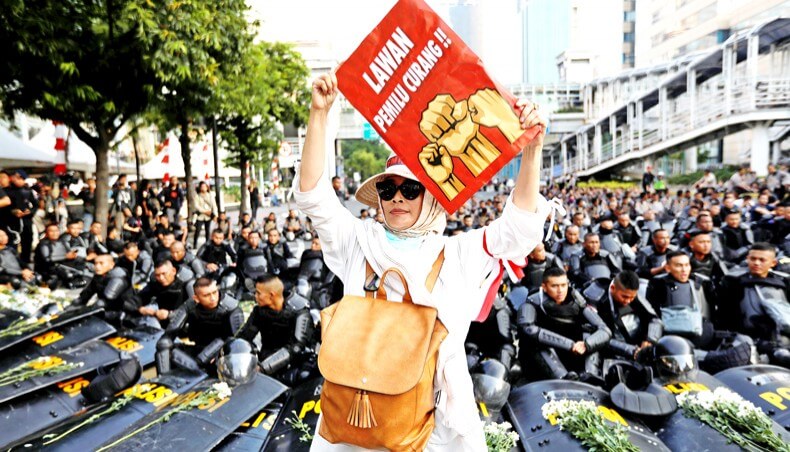




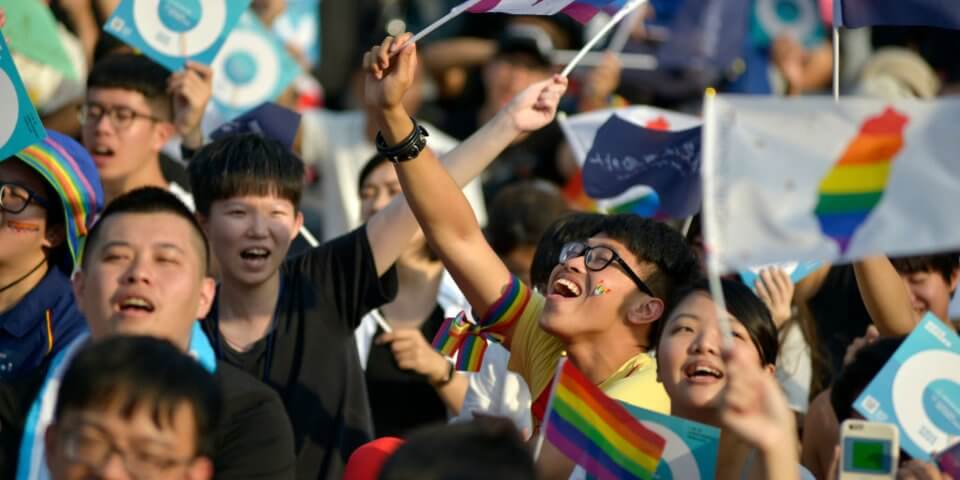
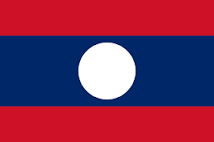
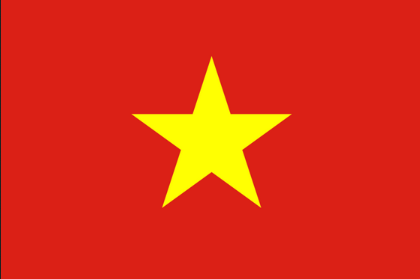
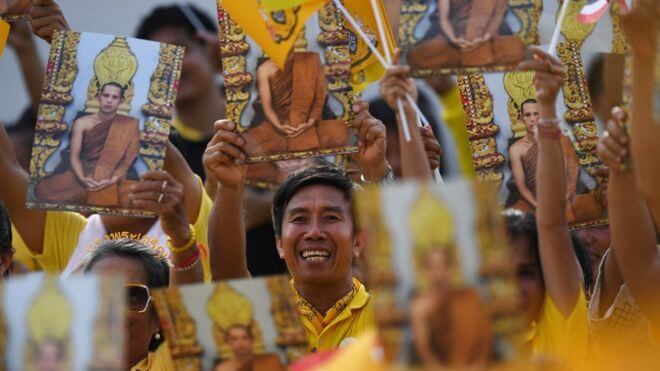
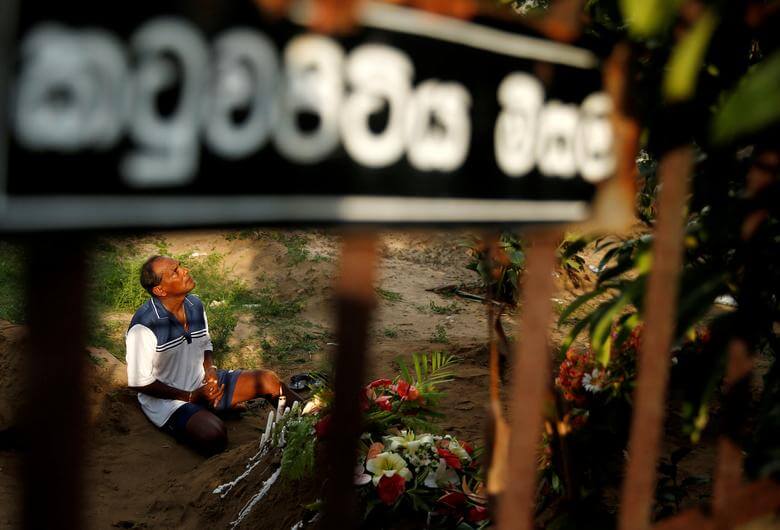
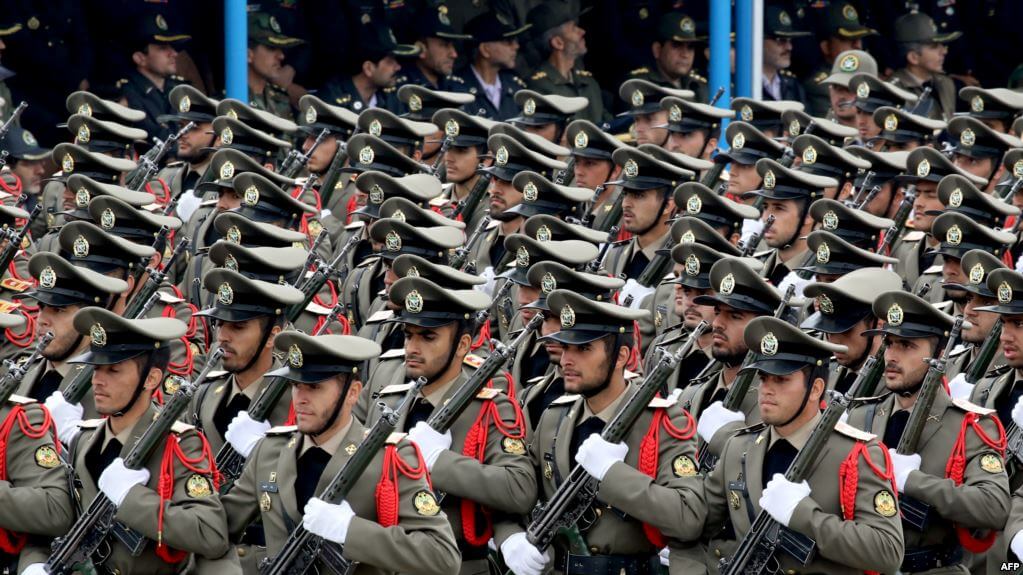
 Cuba
Cuba  Bolivia
 Nicaragua
 North Korea
 Myanmar
 United States
 Mexico
 Maldives
 Zimbabwe
 Laos
Laos Democratic Republic of the Congo
 Colombia
 Venezuela
 Malaysia
 Philippines
 Iran
Iran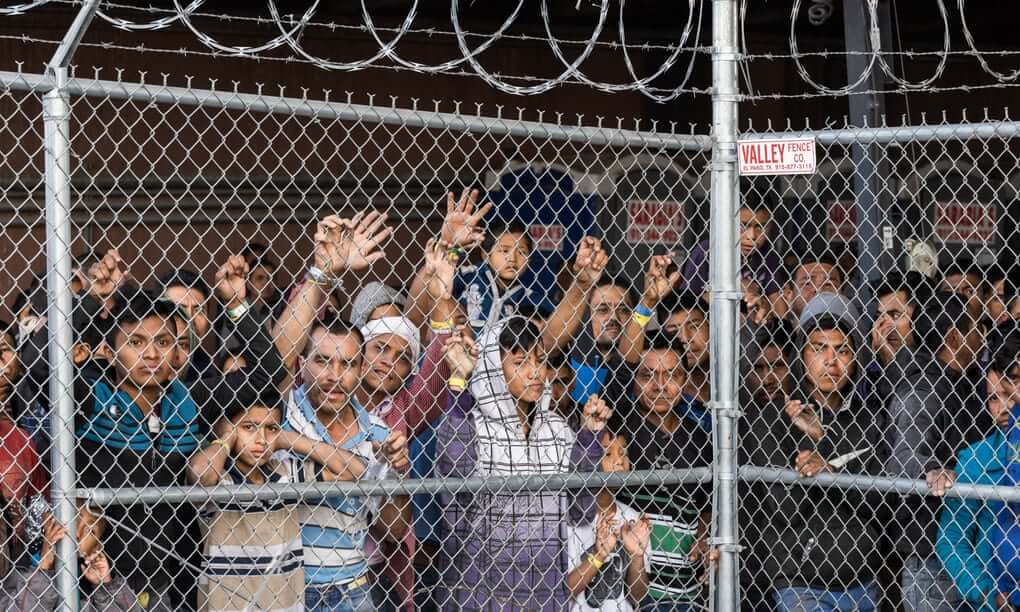
 Cambodia
 Thailand
 Vietnam